Now reading: Homeland
Persiahaus

Greater Iran · Afghanistan

Balkh

بلخ

Capital: Mazar-i-Sharif

Ancient Bactria and Balkh, the mother of cities, where Rumi was born.

Part of the wider Iranian world in our Atlas for its shared history, languages and customs; not a claim on any modern state or its identity. What we mean by Greater Iran

Milad TowerGolestan PalaceTreasury of National JewelsSoleymaniyeh PalacePearl Palace (Kakh-e Morvarid)Amir Kabir DamChalus RoadShrine of Fatima MasumehJamkaran MosqueNamak LakeFeyziyeh SchoolKhorhehJameh Mosque of SavehChal Nakhjir CaveMighan WetlandNaqsh-e Jahan SquareFin GardenJameh Mosque of IsfahanVank CathedralPersepolisNaqsh-e RostamNasir al-Mulk MosqueArg-e BamThe Lut desertGanjali Khan ComplexDowlat Abad GardenJameh Mosque of YazdChak Chak (Pir-e Sabz)NaybandTomb of FerdowsiTomb of Omar KhayyamRobat SharafMofakham Mirror HouseBelqeys CitadelAspakhu Fire TempleBesh QardashAkbarieh GardenFurg CitadelQanat of Baladeh, FerdowsGonbad-e QabusGreat Wall of GorganGolestan National ParkKhalid NabiMount DamavandAbbasabad GardenVeresk BridgeBadab-e SurtMasulehRudkhan CastleAnzali LagoonTomb of Sheikh Zahed GilaniSheikh Safi al-Din ShrineLake NeorArdabil BazaarTabriz BazaarBlue Mosque of TabrizSaint Stepanos MonasteryTakht-e SoleymanQara KelisaLake UrmiaTeppe HasanluDome of SoltaniyehKatale Khor CaveChehrabad Salt MineRakhtshuy Khaneh of ZanjanAlamut CastleJameh Mosque of QazvinKharraqan TowersSa'd al-Saltaneh CaravanseraiGanjnamehTomb of Esther and MordechaiAli Sadr CaveHegmataneh (Ecbatana)UramanKaraftu CaveLake ZarivarDar ol-Ehsan MosqueBisotunTemple of Anahita, KangavarTekyeh Moaven ol-MolkVali CastleSeymareh (Darreh Shahr) Ancient CityKabir KuhAli KoshFalak-ol-AflakLake GaharBisheh WaterfallPol-e KashkanChogha ZanbilSusaKul-e FarahZard KuhChoghakhor WetlandChaleshtar CastleGandoman WetlandMount DenaPersian GateSisakhtBelad ShapurSirafBushehr Old TownKharg IslandNayband Marine ParkHormuz IslandQeshm Island GeoparkLaftHindu Temple of Bandar AbbasShahr-e SukhtehMount TaftanDahan-e GholamanDasht-e KavirBayazid Bastami ComplexPir-e Alamdar TowerFriday Mosque of HeratMinaret of JamMusalla ComplexArch of BostLashkari BazarKajaki DamBlue MosqueNoh Gonbad MosqueBala Hissar of BalkhBabur's GardenDarul Aman PalaceNational Museum of AfghanistanBamiyan nichesShahr-e GholgholaMinarets of GhazniMausoleum of Ahmad Shah DurraniTomb of Mahmud of GhazniAncient PanjakentMausoleum of RudakiIskanderkulRegistanArk of BukharaSamanid MausoleumItchan Kala, KhivaKunya-UrgenchAyaz KalaAncient MervNisaGonur DepeMaiden TowerMausoleum of NezamiAteshgah of BakuErbil CitadelLalishAmediBolan PassMehrgarhHinglaj MataTaq KasraHatraAkdamar IslandWalls of DiyarbakırVan FortressGarni TempleEtchmiadzin CathedralBlue Mosque of YerevanNarikalaSvetitskhoveli CathedralUplistsikheNaryn-KalaJuma Mosque of DerbentGunibDargavsRekomMukhtarov MosqueQal'at al-BahrainDilmun Burial MoundsPearling PathKumzarKhasab CastleTelegraph Island

Point at a region or landmark; zoom out to wander to the neighbours.

The whole Atlas

Arab geographers called Balkh the mother of cities. As Bactria it was a province of the Achaemenids and later the heart of a Greek kingdom, and Zoroastrian tradition links it with Zoroaster and his royal patron.

Rumi was born in or near Balkh in 1207, before his family fled west. Today the region's centre is Mazar-i-Sharif, whose Blue Mosque is a place of pilgrimage and the scene of a great Nowruz festival.

In the Shahnameh

In the Shahnameh, Balkh is the seat of King Goshtasp, in whose reign Zoroaster brings his faith.

  • SamanganTahmineh's city, where Sohrab was conceived; a Buddhist stupa bears Rostam's name
  • The Jayhun (Oxus)The great river between Iran and Turan; the point is near Termez
  • BalkhGoshtasp's capital, where Zoroaster's faith comes to the court
The Shahnameh atlas →

Cities and towns

  • Mazar-i-Sharifمزار شریف

    The city of the Blue Mosque

  • Balkhبلخ

    The mother of cities

  • Sheberghanشبرغان

    Near Tillya Tepe, the hill of Bactrian gold

Landmarksبناها و نشانه‌ها

  • Blue Mosque

    روضه شریف

    The shrine at the heart of Mazar-i-Sharif

  • Noh Gonbad Mosque

    مسجد نه گنبد

    One of the oldest mosques in Afghanistan, with carved stucco of the ninth century

  • Bala Hissar of Balkh

    بالاحصار بلخ

    The earthen ramparts of Bactra, “the mother of cities”

Balkh through time

Iranian history

1040–1335

Seljuks, Mongols and Ilkhanidsسلجوقیان، مغولان و ایلخانان

Turkic and then Mongol conquerors took Iran in turn. The Seljuks built mosques and colleges; the Mongols brought catastrophe, then, as the Ilkhanids, became patrons of history-writing and art.

  • c. 850 Approximate date of the mosque's construction
  • 1207 Birth of Rumi, known in Persian as Mawlana Balkhi
  • c. 1220 Balkh destroyed by the armies of Genghis Khan
  • 1481 Shrine rebuilt under Sultan Husayn Bayqara

Poets of Balkhشاعران
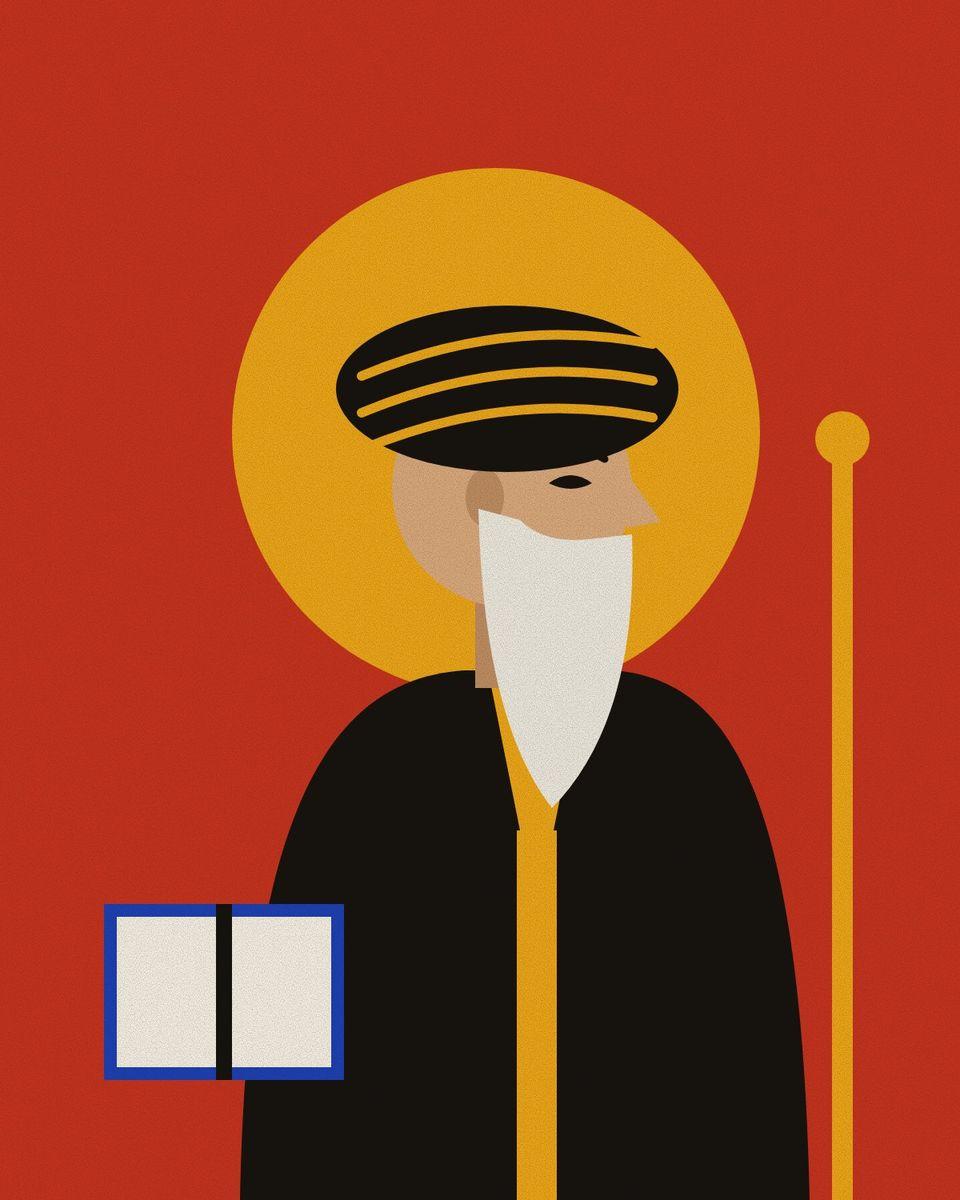
Stylised portrait of Naser Khosrow with a long white beard and a dark turban, against a saffron halo on pomegranate red, with a traveller's staff and a book.

Naser Khosrow

ناصرخسرو

1004–c. 1088 · Qobadiyan, Balkh and Yumgan

Poet, philosopher, traveller and Ismaili preacher, whose qasidas argue for reason and faith against the deceits of the world.
Known for: His Divan and the Safarnameh (Book of Travels)

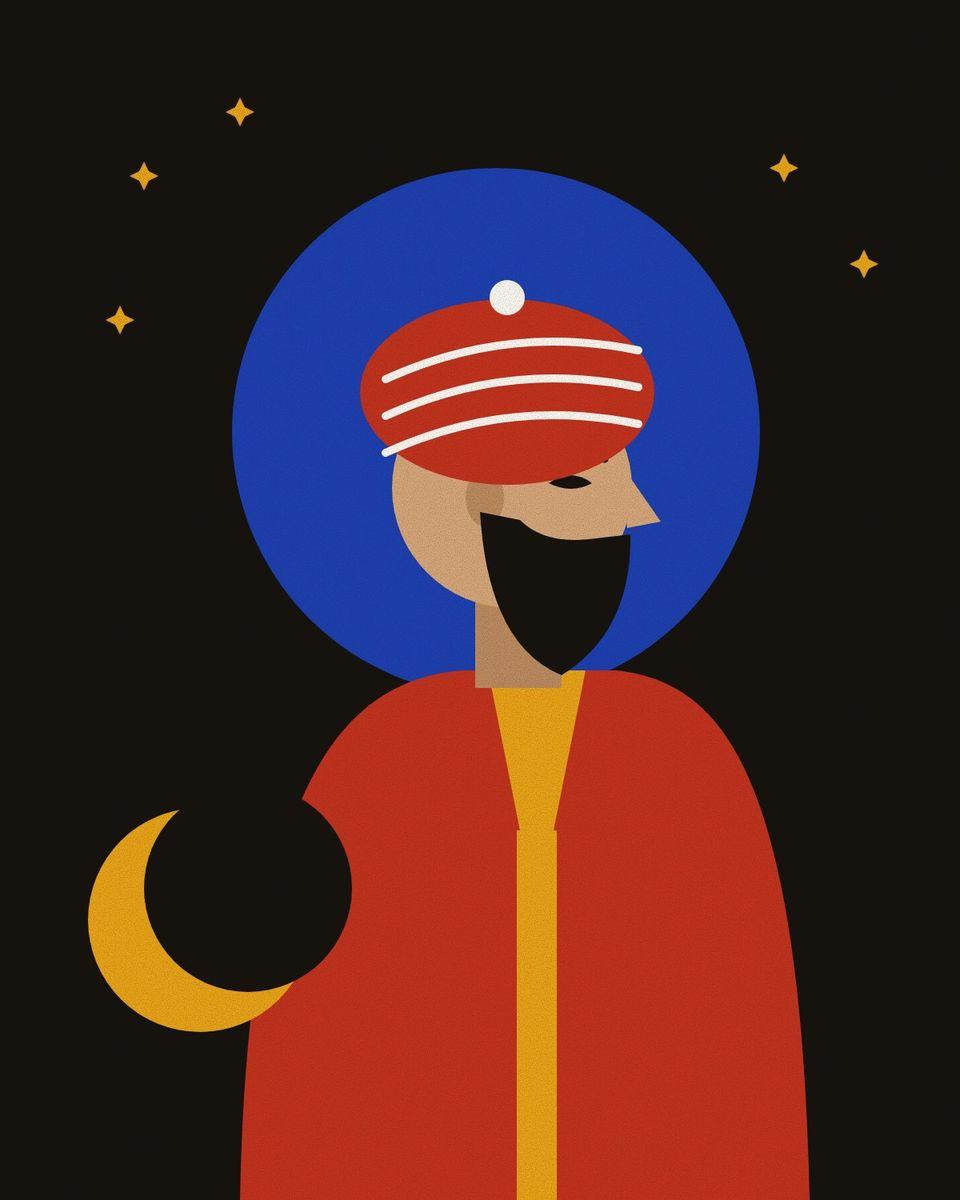
Stylised portrait of Anvari with a short dark beard and a red turban, against a lapis halo on black, with a crescent moon and stars.

Anvari

انوری

c. 1126–c. 1189 · Abivard, Tus and Balkh

Court poet of the Seljuk sultan Sanjar, counted among the masters of the panegyric qasida.

Known for: Court qasidas and short ironic poems

Stylised portrait of Rumi in profile, dark beard and the tall felt hat of the Mevlevi, beside a reed flute

Rumi

مولانا

1207–1273 · Balkh to Konya

Jalal al-Din, called Mowlana in Iran, the mystic poet of Konya and one of the most read poets in any language.

Known for: The Masnavi and the Divan of Shams

Stories from hereداستان‌ها

A haft-sin table at the spring equinox: a blue hyacinth, a dish of sprouted wheat tied with red ribbon, an apple, a gold-framed mirror catching the sun between two candles, a goldfish bowl and a dish of painted eggs, under a turquoise arc of sky with the sun halfway up it.

1 Farvardin · the March equinox

Nowruz

The Persian new year, Nowruz, 'new day', begins at the moment of the March equinox. Homes are cleaned, the haft-sin is laid, and families visit one another across Iran, Afghanistan, Central Asia, the Caucasus and the diaspora.
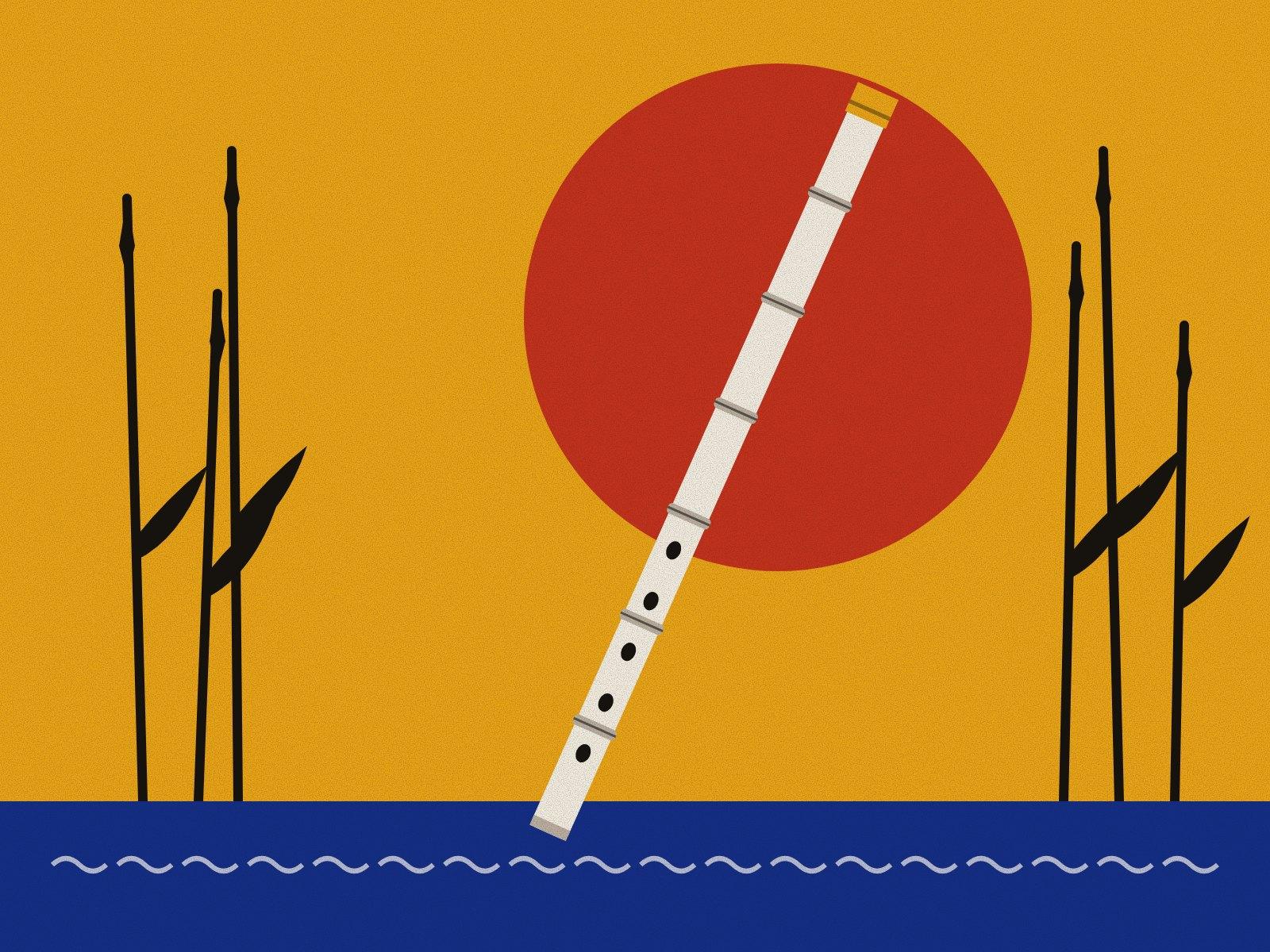
A pale ney reed of seven segments with banded nodes, finger holes and a brass ring, leaning across a red halo on saffron between black reeds

The reed flute and its lament

Ney

A length of reed with six holes, blown at the rim and held between the teeth: the ney is the oldest-sounding voice in Persian music, and in Rumi’s *Masnavi* it is the soul longing for home.
