Furg Citadel
ارگ فورگA mud-brick castle of towers on a hill above the Darmian valley
Furg Citadel, Arg-e Furg, crowns a hill above the village of Furg in Darmian County, east of Birjand and not far from the Afghan border. Its walls of mud brick on stone foundations, punctuated by round towers, follow the line of the hilltop, and from below it looks like a castle in a story, pale brown against the mountains of eastern Khorasan.
The citadel is generally dated to the eighteenth century, in the Afsharid period, and is credited to a local lord of the Darmian district, after whom it is sometimes called the citadel of Mirza Rafi Khan. An inscription on its water cistern gives a date in the early nineteenth century, showing that the fortress was being maintained and extended then. Furg lay on routes between Khorasan, Sistan and Herat, and a strong house on a hill was both a residence and a refuge.
Inside, the fortress covers around 9,000 square metres and is divided into sections, with living quarters, stables, storerooms, a cistern, gateways and watchtowers. European travellers passing through eastern Iran described it in the nineteenth century; one British officer noted that it could be fired on from the higher ground to the north and west, a weakness of many hill castles.
Furg Citadel was registered as a national monument of Iran in 2001 and has been partly restored. It is among the most complete castles of its kind in South Khorasan, and its setting, with the village and orchards below, makes it worth the detour. The climb up to the gate is short, and from the walls the view stretches across the Darmian valley towards the Asadiyeh plain.
Furg Citadel through time
Iranian historyThe Pahlavi century and afterدوران پهلوی و پس از آن
Two Pahlavi shahs built railways, universities and a centralised state, while poets, novelists and film-makers created a new Persian culture. The era ended with the revolution of 1979.
- Registered as a national monument
More in South Khorasanخراسان جنوبی
Akbarieh Garden
The Persian garden of the hereditary rulers of Qohestan
Qanat of Baladeh, Ferdows
An underground water channel that made a desert town possible
Stories from the regionداستانها
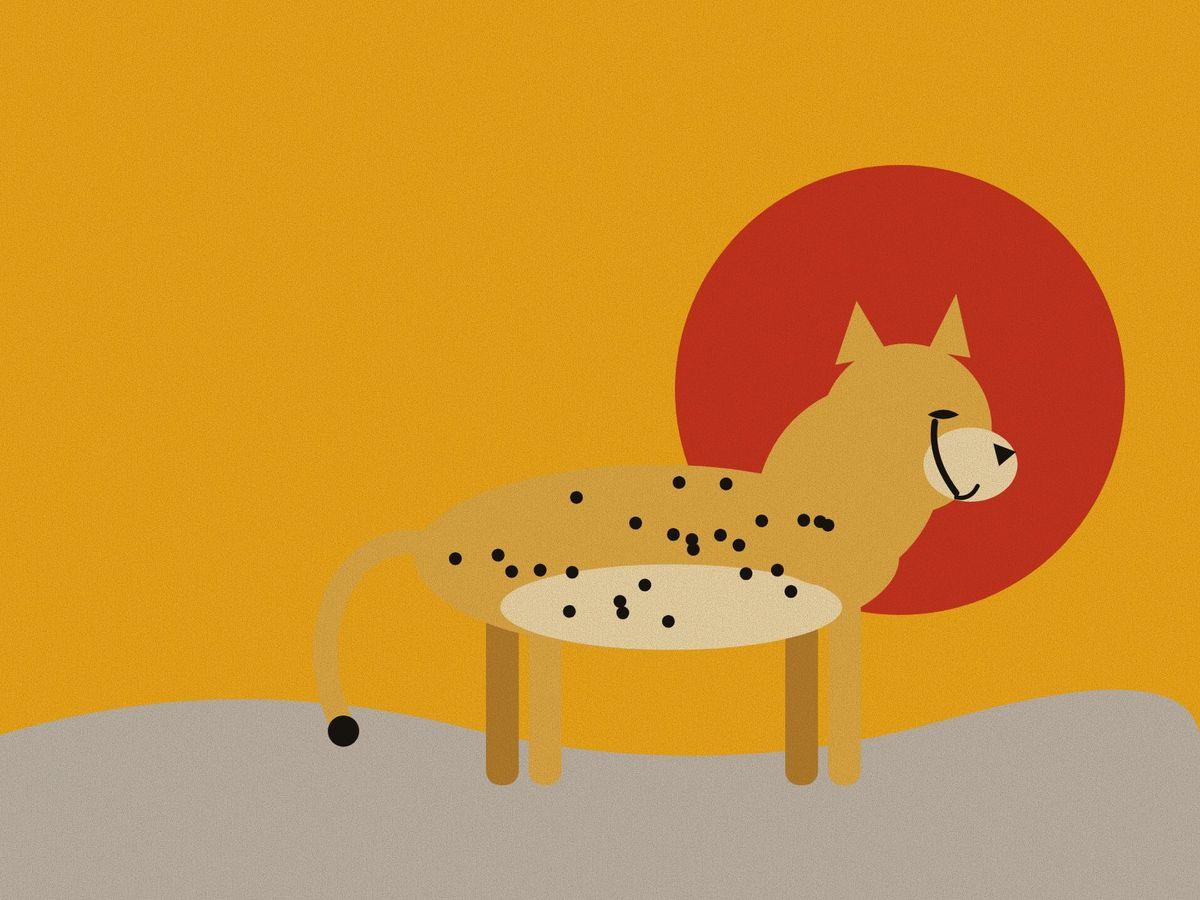
The Asiatic cheetah
Once a hunting companion of kings, now the last of its line: the Asiatic cheetah survives in the wild only in Iran, and only a few dozen are thought to remain.

Ismailis
A Shia community that follows a living Imam, with roots in Fatimid Cairo, the castles of Alamut and the high valleys of the Pamirs.

Arabic in Iran
Arabic is spoken as a mother tongue in Khuzestan and along the Gulf coast, recited in every mosque, and woven so deeply into Persian that no sentence of literary Persian is free of it.