Dar ol-Ehsan Mosque
مسجد دارالاحسانThe Friday mosque of Sanandaj, built by an Ardalan ruler
The Dar ol-Ehsan Mosque, “the house of beneficence”, is the Friday mosque of Sanandaj, the capital of Kurdistan province, and its principal Sunni mosque. It was built in 1813 by Amanollah Khan Ardalan, ruler of the Ardalan principality, a Kurdish dynasty that governed the region for several centuries with a large measure of autonomy under the Safavid, Afsharid, Zand and Qajar shahs. Sanandaj itself had been founded as the Ardalan seat in the seventeenth century.
The mosque stands in the centre of the old city. Its entrance façade carries two slender minarets, and behind it lies a courtyard with a pool, enclosed by the prayer halls and a madrasa where students of religion lived and studied. The main prayer hall is a forest of stone columns supporting brick vaults and domes, the kind of hypostyle space that gives a sense of calm and order.
The mosque is celebrated for its decoration. Tilework in the Qajar manner, in blues, yellows and pinks, covers the façades and the portal, with floral designs and inscriptions. Inside, panels of marble are carved with Quranic text, and the mihrab, the niche that marks the direction of prayer, is richly ornamented. Together they make it one of the finest Qajar-period mosques in western Iran.
Most Kurds of Sanandaj are Sunni Muslims of the Shafi'i school, and for them Dar ol-Ehsan is the heart of the city's religious life. Friday prayers fill its halls, and during Ramadan the courtyard is busy late into the night. It is also a symbol of the Ardalan legacy, the period when Sanandaj was the capital of a Kurdish court known for its poets and historians.
Dar ol-Ehsan Mosque through time
Iranian historyAfsharids, Zands and Qajarsافشاریان، زندیان و قاجاریان
A soldier-king who sacked Delhi, a regent who rebuilt Shiraz, and a dynasty that made Tehran the capital and lived through Iran's Constitutional Revolution.
- Mosque built by Amanollah Khan Ardalan
More in Kurdistanکردستان
Uraman
Stepped villages of the Hawrami Kurds, a UNESCO cultural landscape
Karaftu Cave
A natural cave carved into rooms, with a Greek inscription to Heracles
Lake Zarivar
A freshwater lake beside Marivan with a long memory
Stories from the regionداستانها
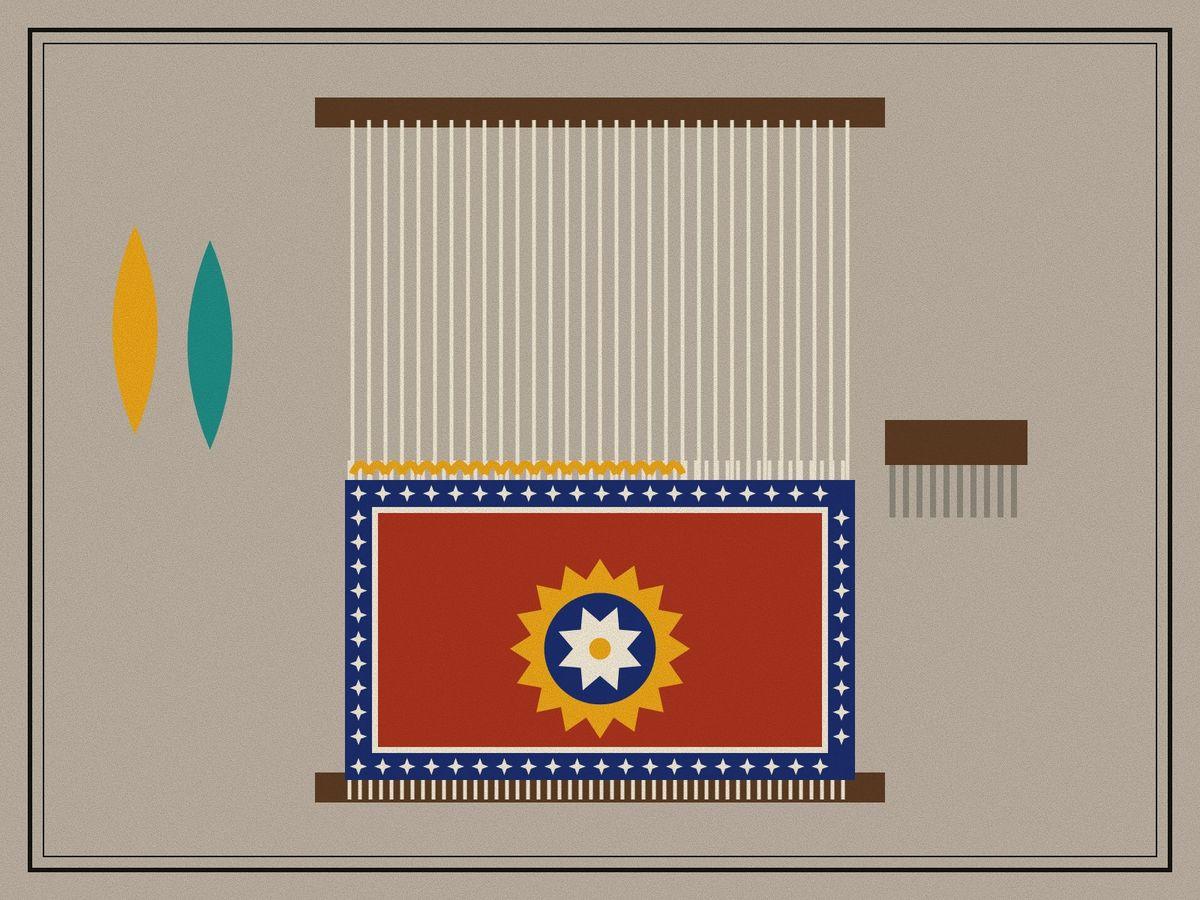
How a Persian rug is made
Three sets of threads and two kinds of knot: what a pile carpet is made of, and what its back reveals that its front conceals.

Kurds
Kurds live across the Zagros and Taurus in Iran, Iraq, Turkey and Syria. In Iran they speak several Kurdish languages, keep several faiths, and light Newroz fires that every Iranian knows.

Sunni Islam in the Iranian world
Sunni Islam is the faith of most Muslims in Afghanistan and Tajikistan, of Kurds, Baluch and Turkmen in Iran, and of the great scholars of medieval Khorasan.