Gonur Depe
گنور تپهBronze Age capital of ancient Margiana in the Karakum
Gonur Depe is a vast Bronze Age site in the Karakum desert of Turkmenistan, about sixty kilometres north of Mary and ancient Merv. Four thousand years ago it stood in the delta of the Murghab river, and it was the chief centre of the culture that archaeologists call the Bactria–Margiana Archaeological Complex, or the Oxus civilisation, which flourished between roughly 2400 and 1600 BCE. When the river moved away, the settlement was abandoned and the desert closed over it.
Its excavation is bound up with one archaeologist, Viktor Sarianidi, who began work at Gonur in 1972 and continued almost every year until his death in 2013. His teams uncovered a walled complex with a palace, courtyards, workshops, pools and buildings he identified as temples, together with a huge cemetery of several thousand graves. Some royal tombs held wheeled carts, the skeletons of animals and fine objects of gold, silver, bronze and stone, with seals carved with animals and mythical scenes.
Sarianidi argued that buildings at Gonur held fire altars and that vessels found there were used to prepare a ritual drink, which he linked with the haoma of the Avesta and the soma of the Vedas. Others have questioned these interpretations, and they remain debated. What is not in doubt is that Gonur was one of the great urban centres of Bronze Age Central Asia, in the land later known as Margiana, the Margush of the inscriptions of Darius. Parts of the excavated walls have been rebuilt in mud brick to protect them, and visitors reach the site by desert track.
Gonur Depe through time
Iranian historyElam and the first citiesعیلام
Long before the Persians, the lowlands of Khuzestan and the highlands of Fars were home to Elam, a civilisation with its own language, gods and kings, centred on the city of Susa.
- Approximate start of the Bronze Age settlement
- Viktor Sarianidi begins excavations at Gonur
More in Merv and Nisaمرو و نسا
Ancient Merv
Walled cities from the Achaemenids to the Seljuks
Nisa
An early Parthian capital
Stories from the regionداستانها
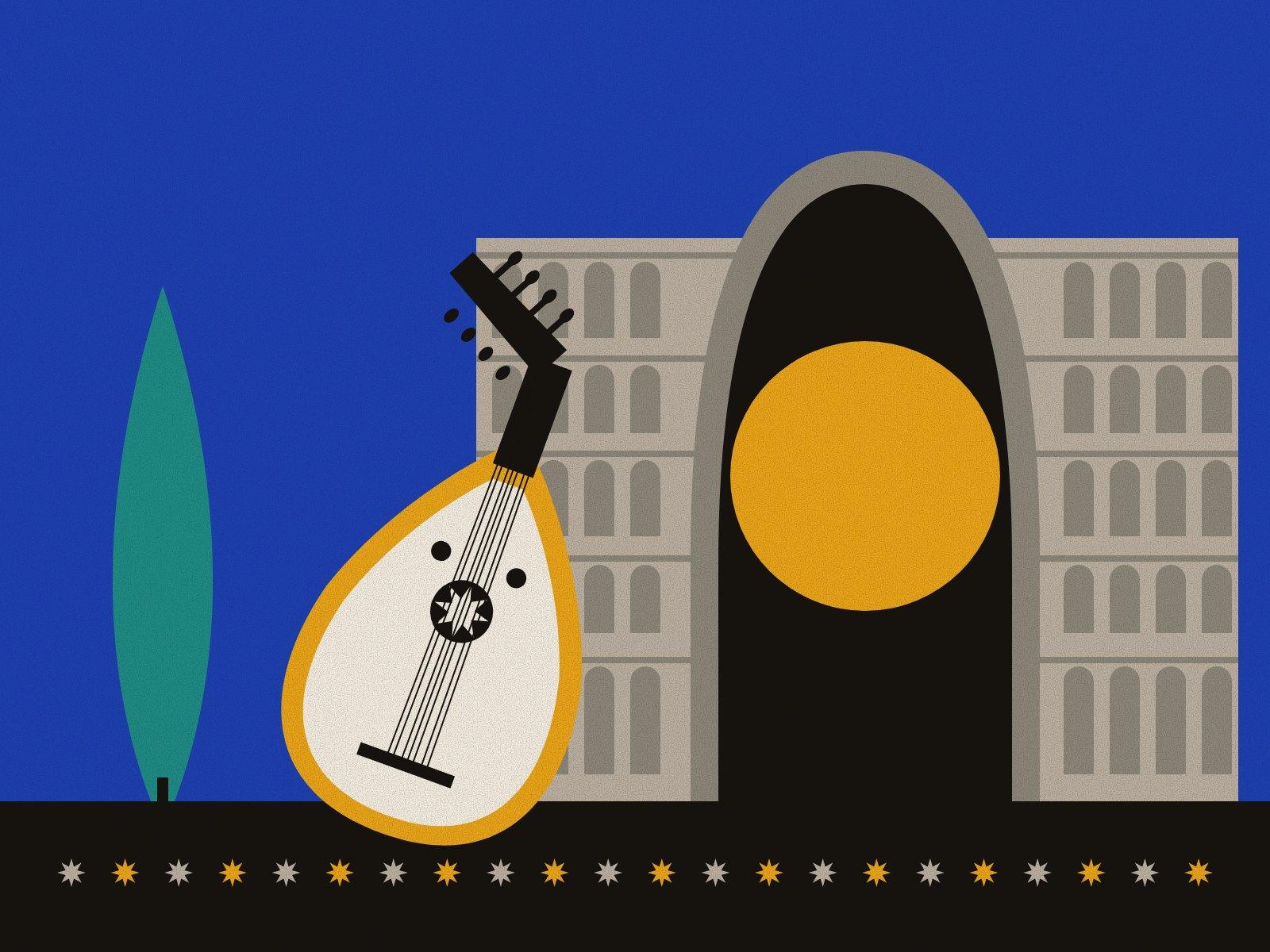
Barbad and the Sasanian court
Barbad, minstrel to Khosrow II, is the most famous musician in Persian memory. Little about him can be proved; much about him has been loved, retold and painted for fourteen centuries.
The Sasanians
For four centuries the Sasanian kings ruled an empire of fire temples, rock reliefs and brick palaces, the last great Iranian empire before Islam.

Ismailis
A Shia community that follows a living Imam, with roots in Fatimid Cairo, the castles of Alamut and the high valleys of the Pamirs.