Lake Gahar
دریاچه گهرA turquoise lake in the heart of the Oshtorankuh range
Lake Gahar lies high in the Oshtorankuh, the jagged limestone range that rises south-east of Dorud and Azna in Lorestan. At an altitude of roughly 2,350 metres it is held in a valley between steep, often snow-streaked peaks, and its water, fed by springs and snowmelt, is famously clear and green-blue. There are in fact two lakes, a larger one and a smaller one a little way upstream, and together they are among the most celebrated natural places in western Iran.
No road reaches the lake. Visitors walk in, usually on a trail of several hours from the villages below, climbing through oak woodland and over passes before the water comes into view. Many camp on the shores overnight, and the walk is part of the experience: a journey into a valley that has kept much of its wild character because it is hard to reach.
The Oshtorankuh is a protected area, and the lake's surroundings support a rich range of plants and animals, including wild goats on the cliffs, brown bears in the forest and trout in the streams. In spring the meadows around the water fill with flowers, and Lur nomads have long brought their flocks to the high pastures in summer, as they have for generations.
The lake's popularity has become its main challenge. Litter, campfires and the sheer number of visitors in peak seasons have raised concern among environmentalists and local people, and the authorities have at times restricted access and camping. Those who come are asked to carry everything out with them, so that Gahar can stay the place that drew them there.
More in Lorestanلرستان
Falak-ol-Aflak
The fortress on its rock above Khorramabad
Bisheh Waterfall
A waterfall beside the Trans-Iranian Railway in the Zagros
Pol-e Kashkan
A medieval brick-and-stone bridge across the Kashkan river
Stories from the regionداستانها
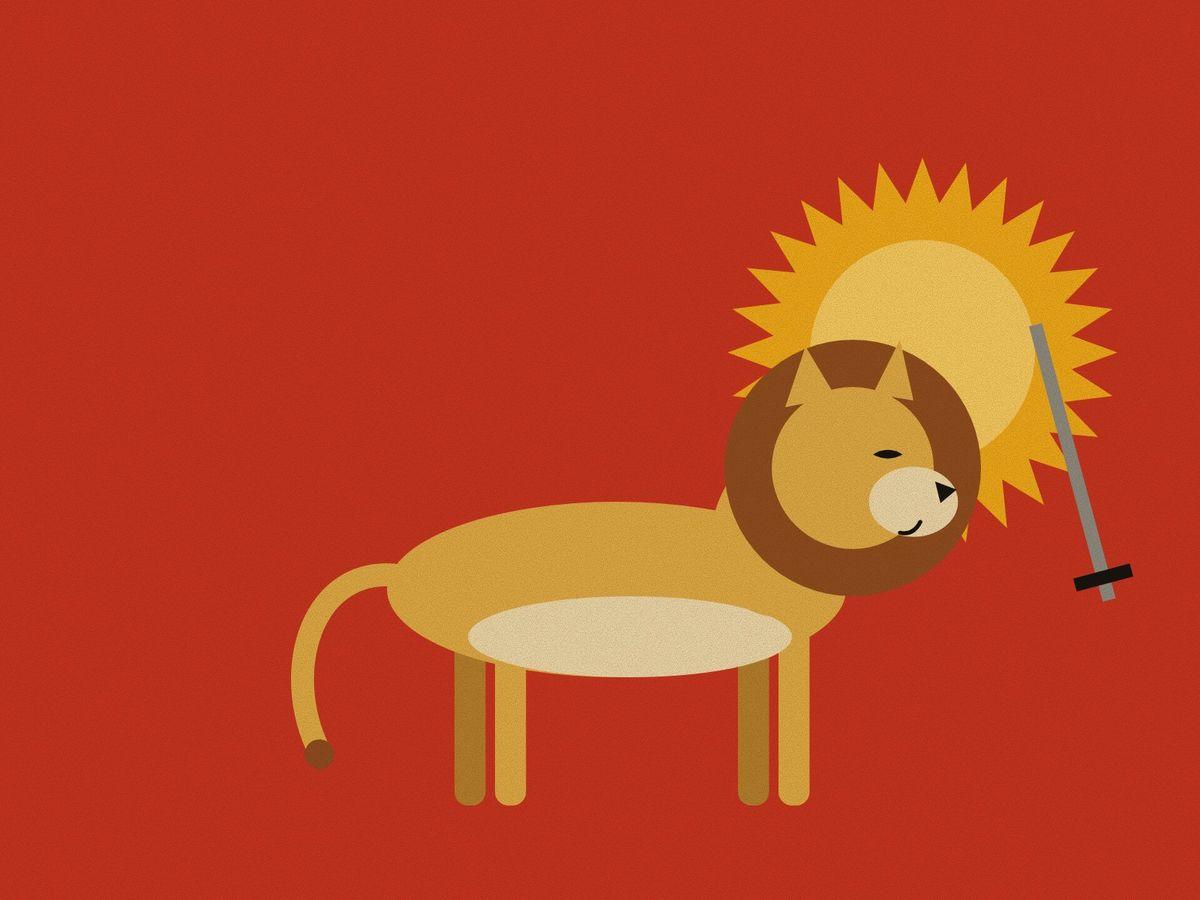
The Asiatic lion and the Lion and Sun
Iran's lions disappeared in the 1940s, but for centuries a lion holding a sword beneath a rising sun stood for the Iranian state.
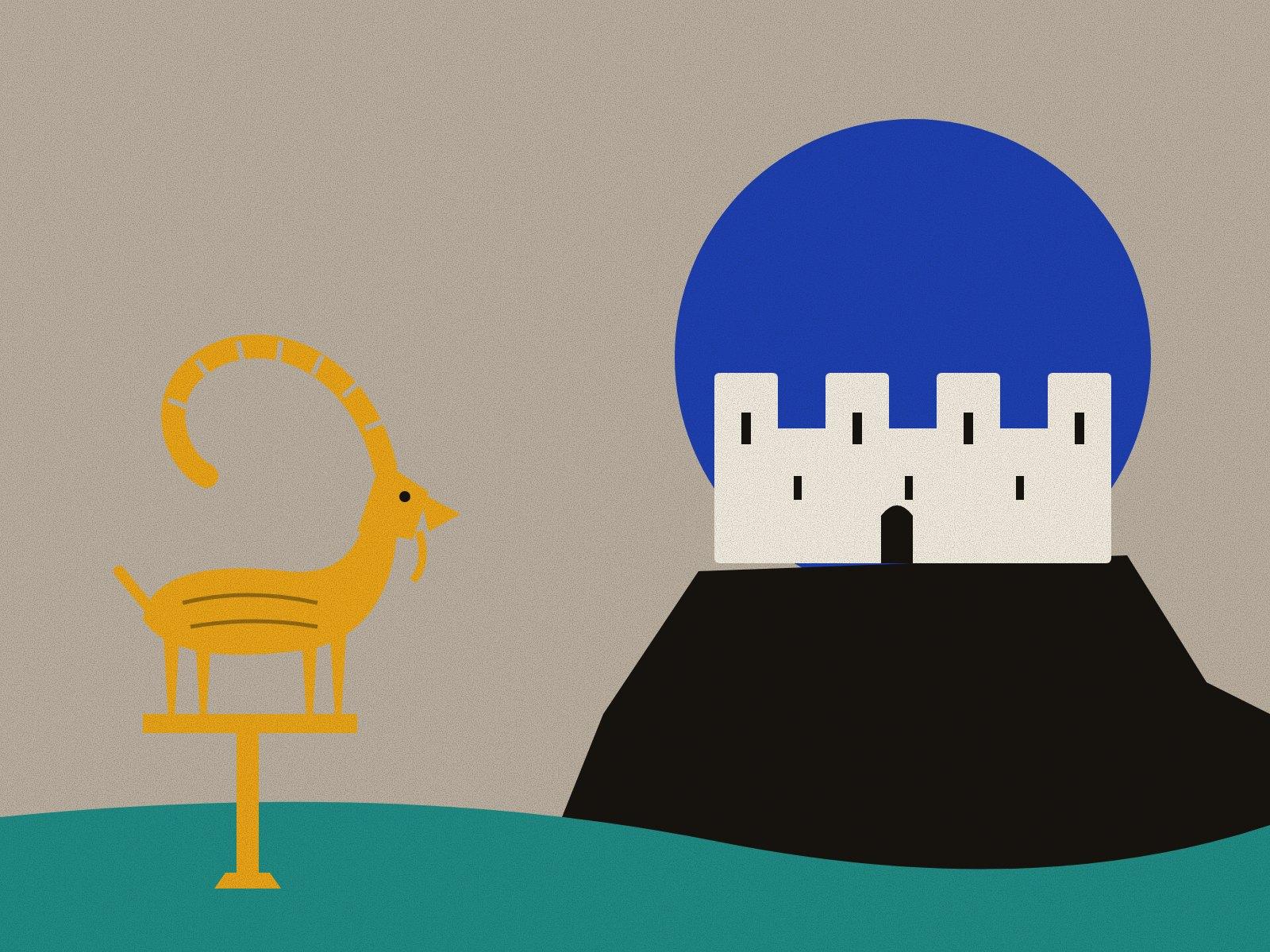
Lurs
Lurs speak Luri, a close cousin of Persian, in the valleys of Lorestan, Kohgiluyeh and the southern Zagros. Their country holds the Luristan bronzes, black tents and the old seasonal migration.

Bakhtiari
The Bakhtiari cross the high Zagros twice a year with their flocks. They are famous for that migration, for their part in the Constitutional Revolution, and for rugs laid out like gardens.