Kajaki Dam
بند کجکیA mid-century dam on the Helmand, the river of the Avesta
The Kajaki Dam holds back the Helmand river where it leaves the mountains of central Afghanistan, about 160 kilometres north-west of Kandahar. It is about 100 metres high and 270 metres long, and the lake behind it winds back into the hills. It was built between 1951 and 1953 by the American firm Morrison-Knudsen as the centrepiece of the Helmand Valley Authority, a development scheme meant to irrigate the plains of Helmand and settle farmers on newly watered land.
The river it tames is one of the oldest names in the Iranian world. The Helmand is the Haetumant of the Avesta, the Zoroastrian scriptures, which praise it as a bright and glorious river, and the Greeks knew it as the Etymander. It rises in the Hindu Kush, flows south-west through Afghanistan and ends in the lakes and marshes of Sistan, on the border with Iran, where its waters have fed farming and settlement for thousands of years.
The dam's water still flows into a network of canals around Lashkar Gah, the town built in the 1950s as the scheme's headquarters. Hydroelectric turbines were added in the 1970s. During the war of the 2000s Kajaki became a focus of reconstruction efforts, and in 2008 a large military convoy carried a third turbine across Helmand to the dam. Today the reservoir, between bare brown ridges, is one of the largest bodies of open water in southern Afghanistan.
Kajaki Dam through time
Iranian historyThe Pahlavi century and afterدوران پهلوی و پس از آن
Two Pahlavi shahs built railways, universities and a centralised state, while poets, novelists and film-makers created a new Persian culture. The era ended with the revolution of 1979.
- Kajaki Dam completed
- Convoy delivers a third turbine to the dam
More in Nimruz and Helmandنیمروز و هلمند
Arch of Bost
The great arch of the Ghaznavid city of Bost
Lashkari Bazar
The ruined riverside palaces of the Ghaznavid sultans
Stories from the regionداستانها

Avestan
Known only from the sacred texts of Zoroastrianism, Avestan is one of the two oldest recorded Iranian languages, and it is still recited daily in fire temples in Yazd, Tehran and Mumbai.
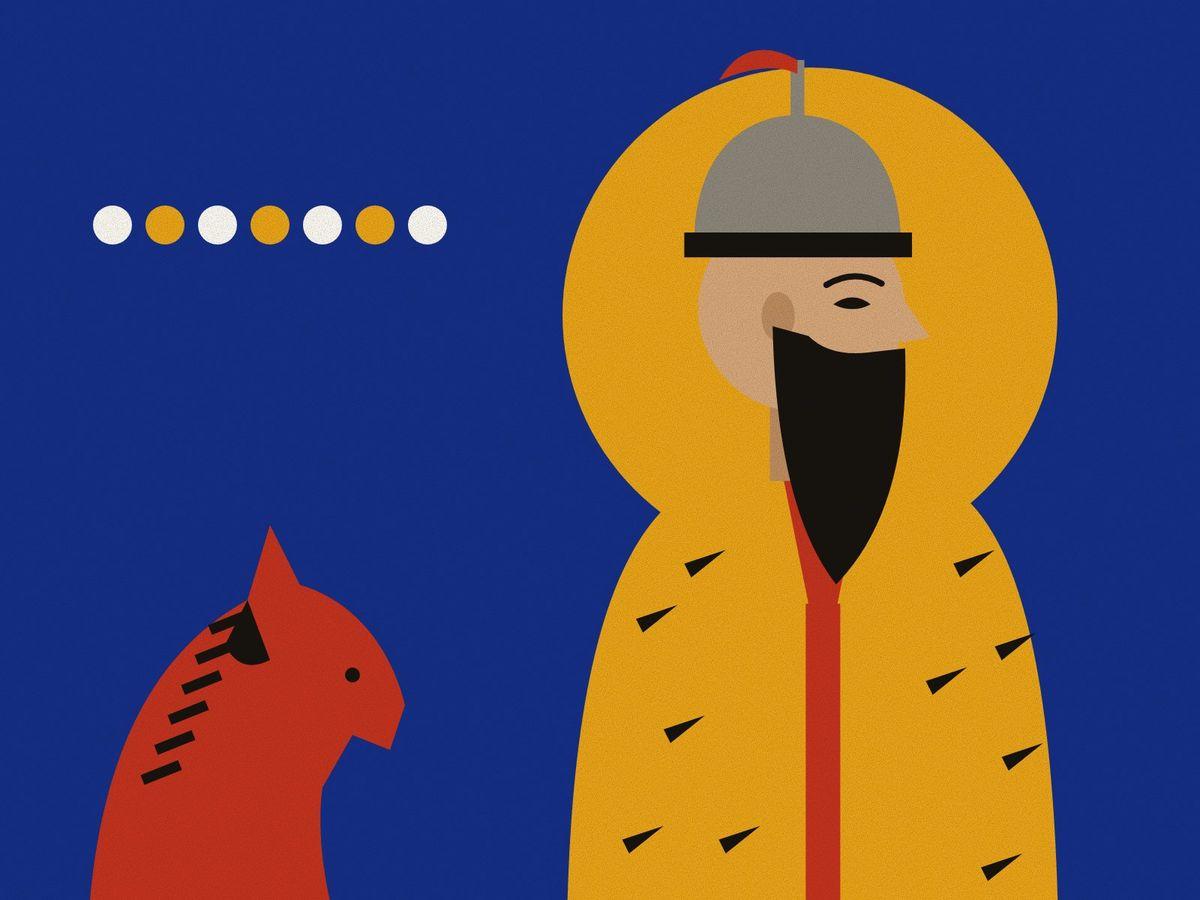
Rostam, Rakhsh and the seven labours
Iran's greatest hero and his matchless horse take the short, deadly road to rescue a foolish king: a lion, a desert, a dragon, a witch and the White Div.
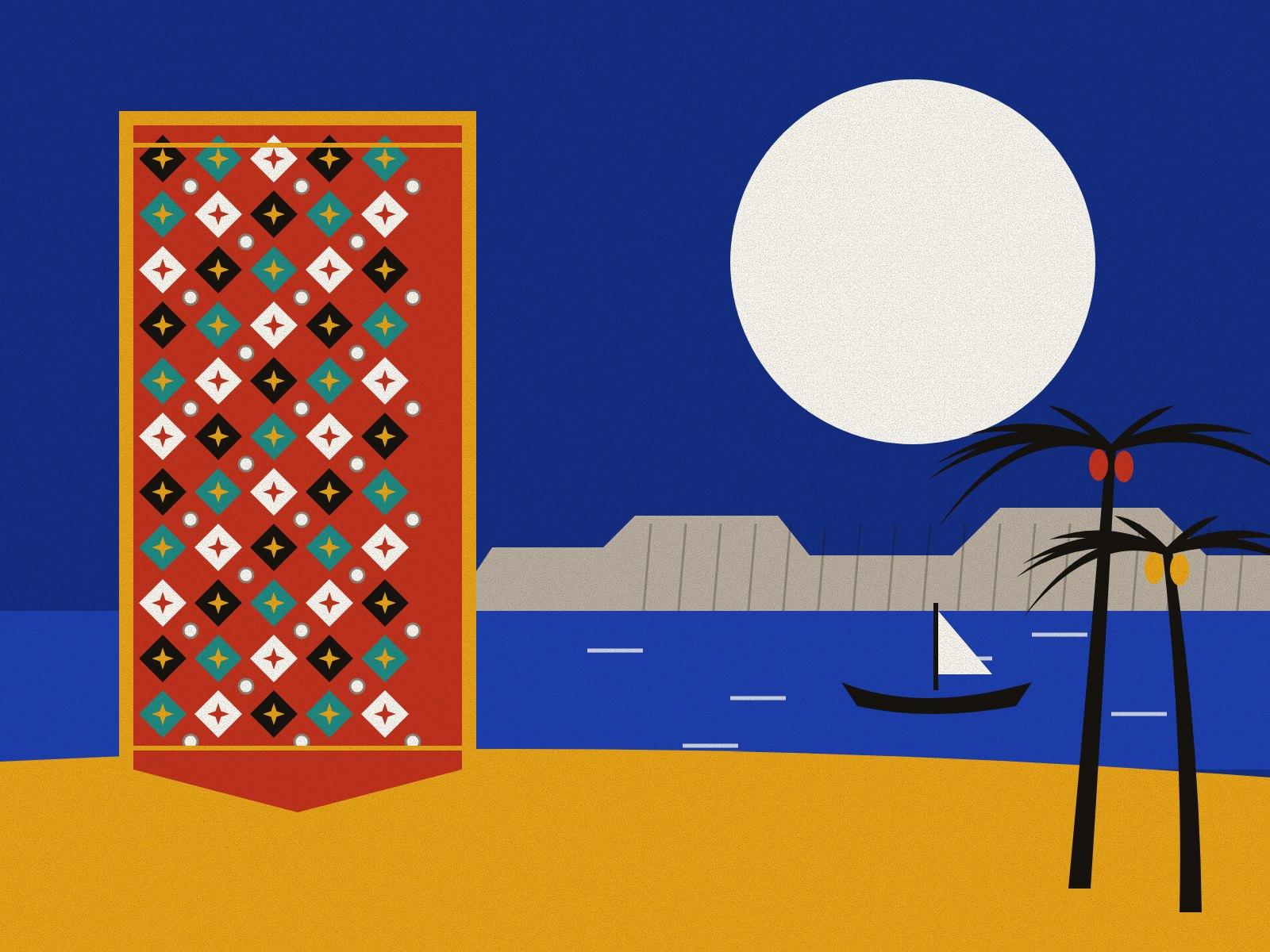
Baluch
The Baluch, *Baloch* in their own spelling, live across Iran, Pakistan and Afghanistan and around the Gulf. They keep the Balochi language, epic ballads, healing music and some of Iran’s finest embroidery.