Badab-e Surt
باداب سورتOrange and white travertine terraces built by mineral springs
High in the mountains south-east of Sari, near the villages of Orost and Surt, a hillside falls away in a staircase of shallow pools, each rimmed with stone and stained in shades of orange, red and cream. This is Badab-e Surt, one of the most striking natural sites in Iran, created over thousands of years by the water of two mineral springs.
Its name joins the Persian words bad, gas, and ab, water: “gassy water”, a description of the springs that bubble up at about 1,840 metres above sea level. As their water flows downhill and cools, it leaves behind layers of carbonate minerals, slowly building the terraces of travertine that step down the slope. One spring is very salty and gathers in a small pool, traditionally believed to help with rheumatism and some skin complaints. The other has a sour taste, and the iron oxide in its water gives the terraces their famous orange colour.
Natural terraces like these are rare, and Badab-e Surt is often compared to Pamukkale in Turkey, though it is smaller and far wilder. There are no hotels at the site: visitors walk up from the road, or ride the last stretch on a tractor, and the best light is at sunset, when the pools catch the colours of the sky.
The terraces are delicate, and visitors are asked to keep off the rims and not to walk in the pools. The surrounding mountains, with their forests on the northern slopes and drier hills to the south, make the journey part of the reward.
More in Mazandaranمازندران
Mount Damavand
The highest peak in Iran, about 5,610 metres
Abbasabad Garden
Shah Abbas's garden, dam and lake in the forests above Behshahr
Veresk Bridge
A railway arch high above a gorge on the Trans-Iranian Railway
Stories from the regionداستانها
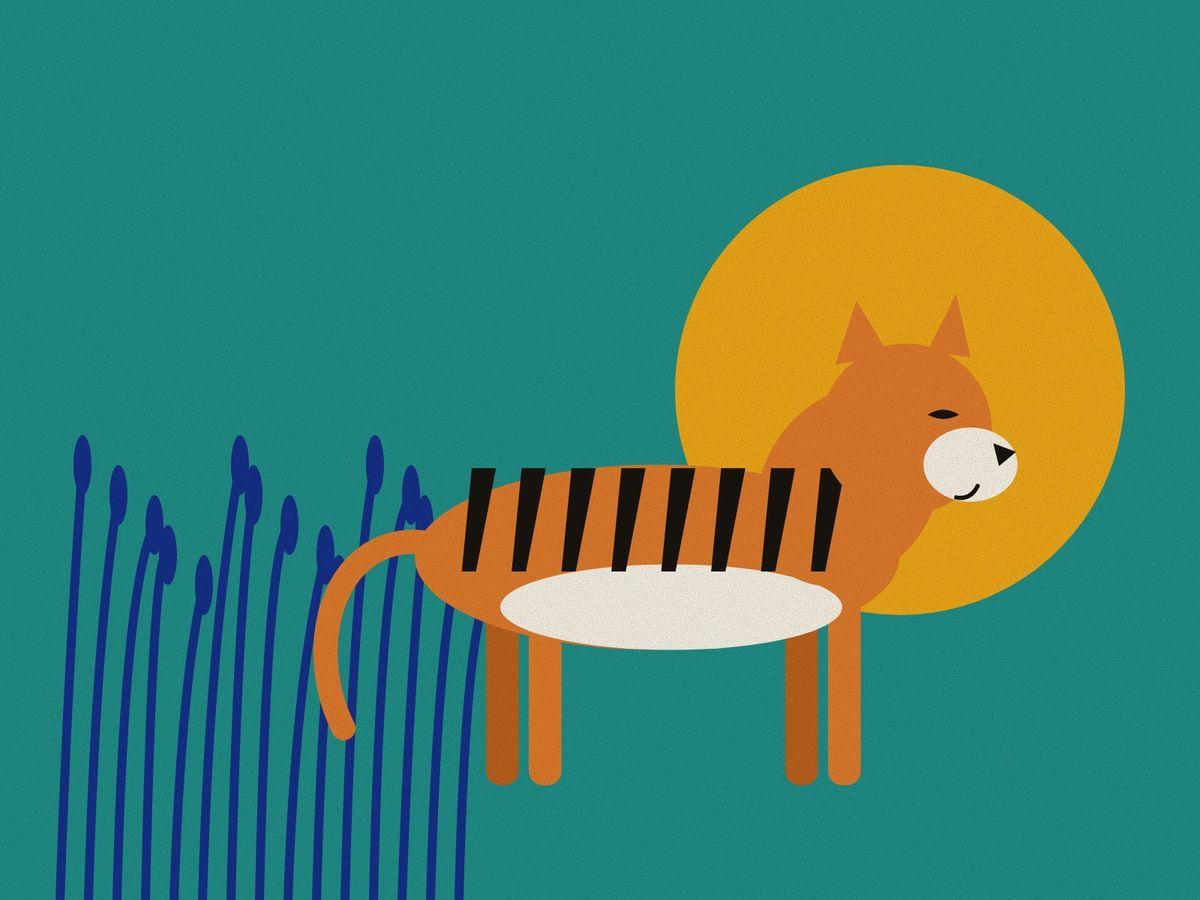
The Caspian tiger
The tiger of Mazandaran vanished from Iran in the mid-twentieth century. It lives on in a name, a hero's cloak and a genetic surprise.
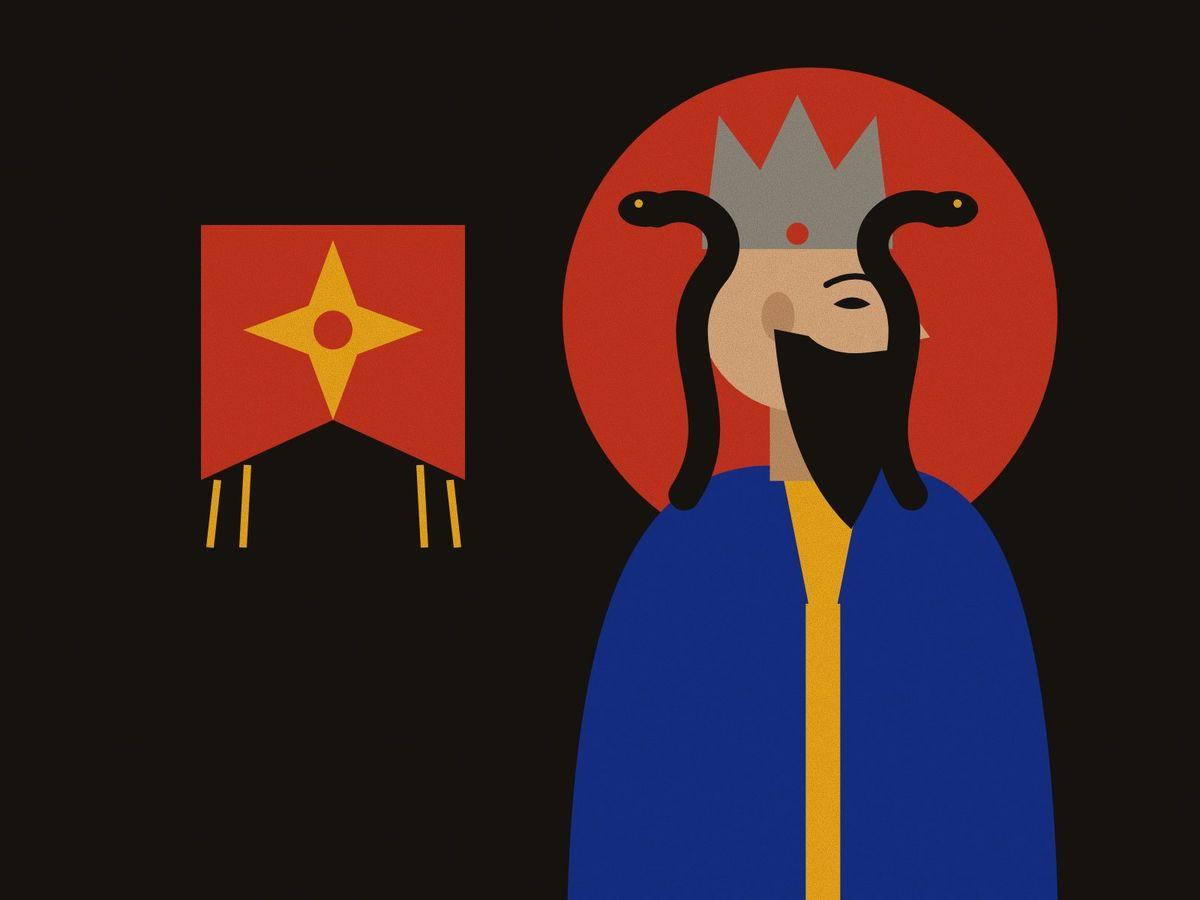
Zahhak and Kaveh the blacksmith
A king with serpents growing from his shoulders, and the blacksmith who raised his leather apron on a spear and brought him down.
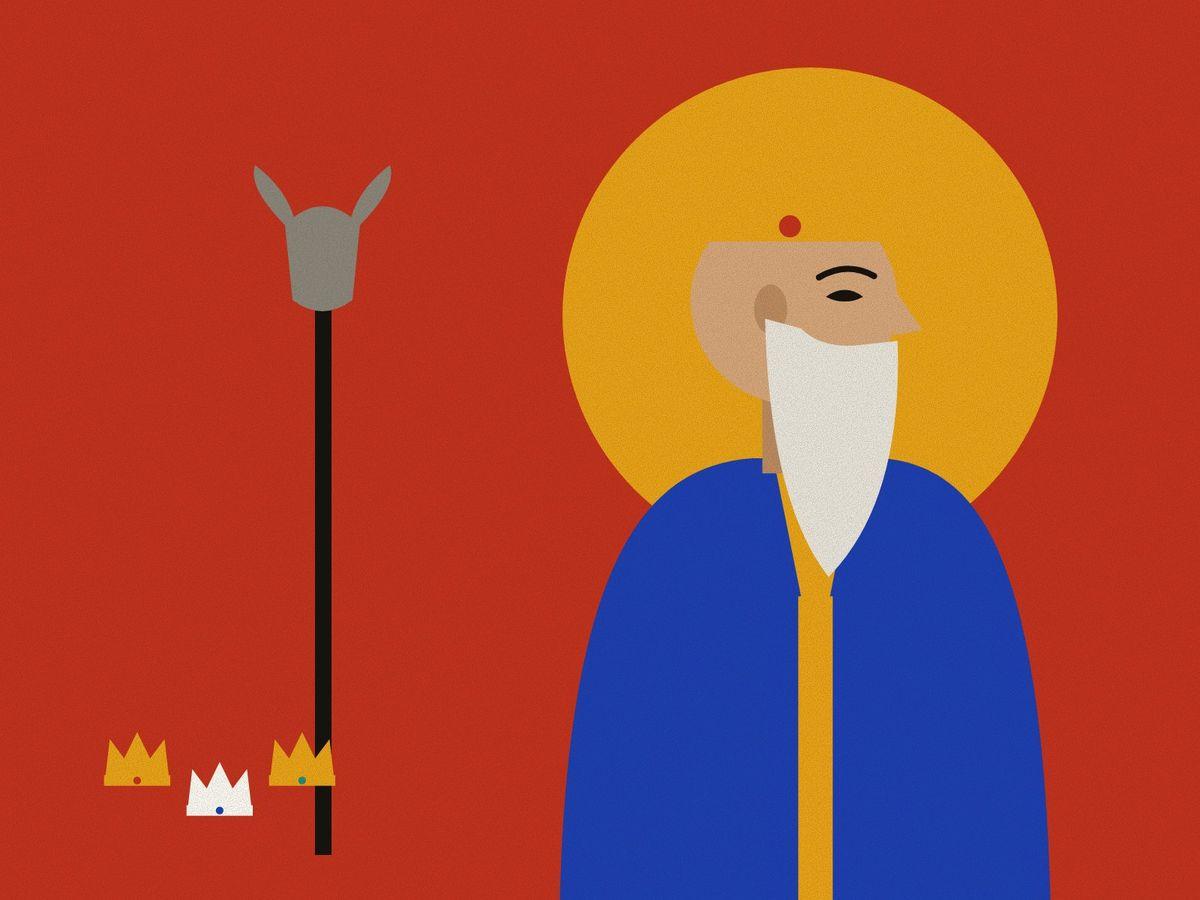
Fereydun and his three sons
The king who freed Iran from Zahhak divided the world between his sons, and in doing so, Ferdowsi says, began the long feud between Iran and Turan.