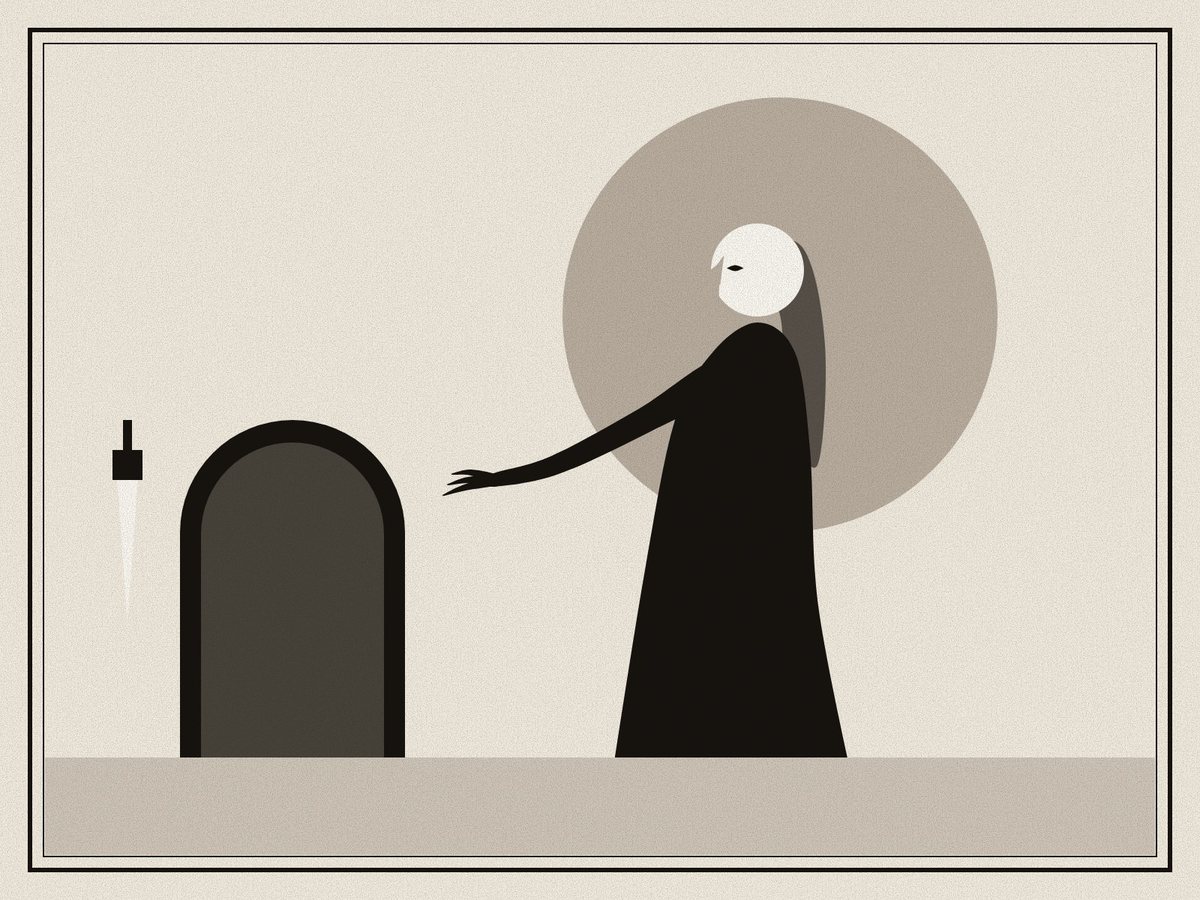
Al
A female being said to haunt women in the days after childbirth, feared across Iran and among its neighbours, and kept at bay with iron, onion and company.
A female being said to haunt women in the days after childbirth, feared across Iran and among its neighbours, and kept at bay with iron, onion and company.
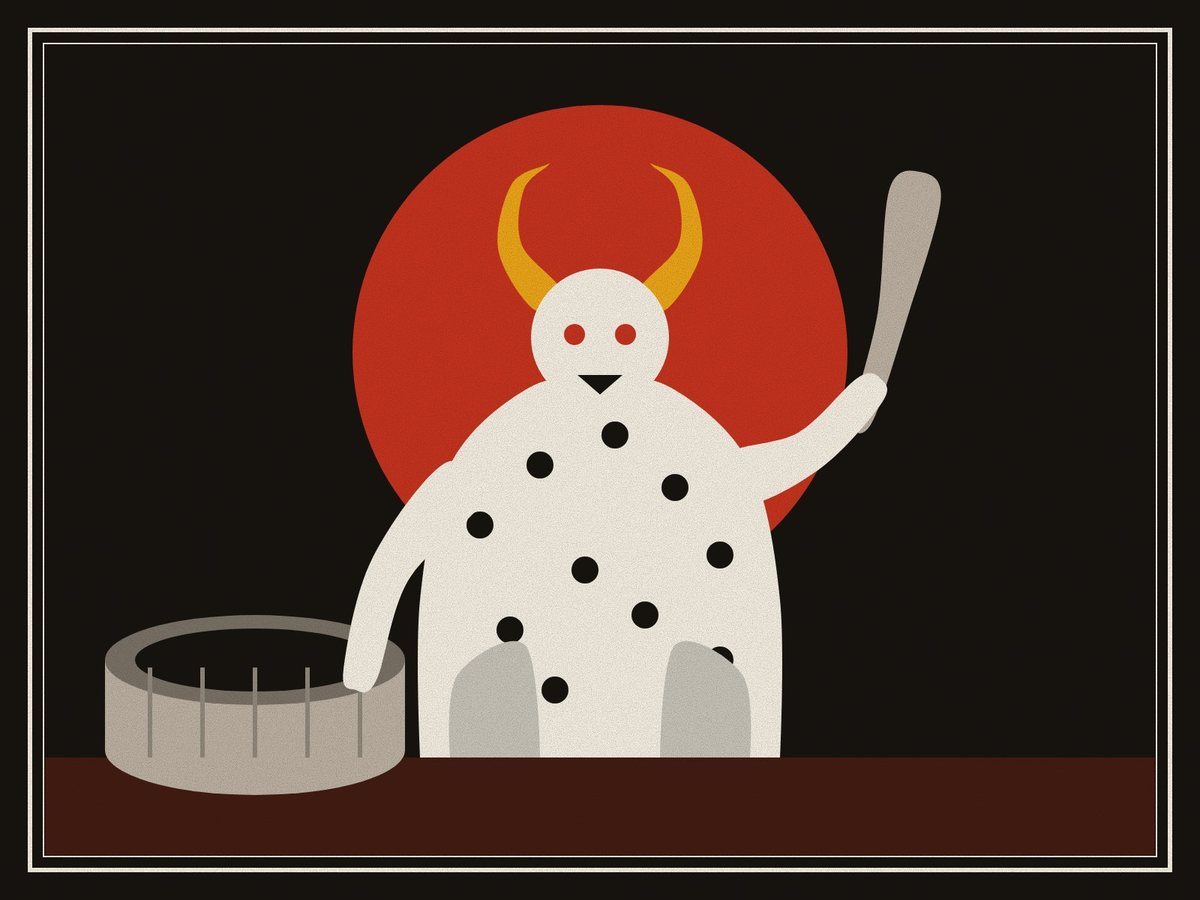
Once a word for gods, the div became the great demon of Iranian story: an enemy of order in the Avesta, a captive scribe in the Shahnameh, and a horned giant in grandmothers' tales.
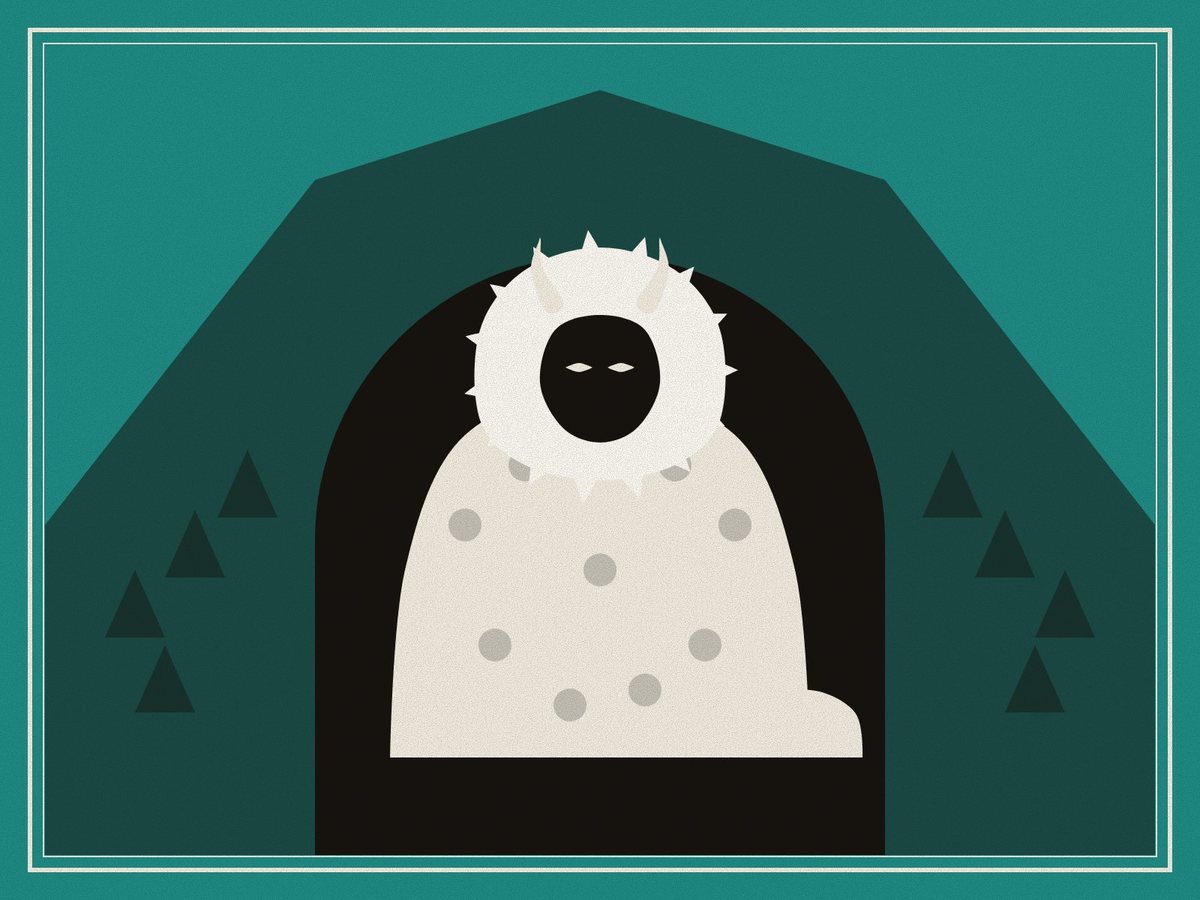
The lord of the divs of Mazandaran, who blinded a king and his army, and whose blood restored their sight after Rostam killed him in his cave.
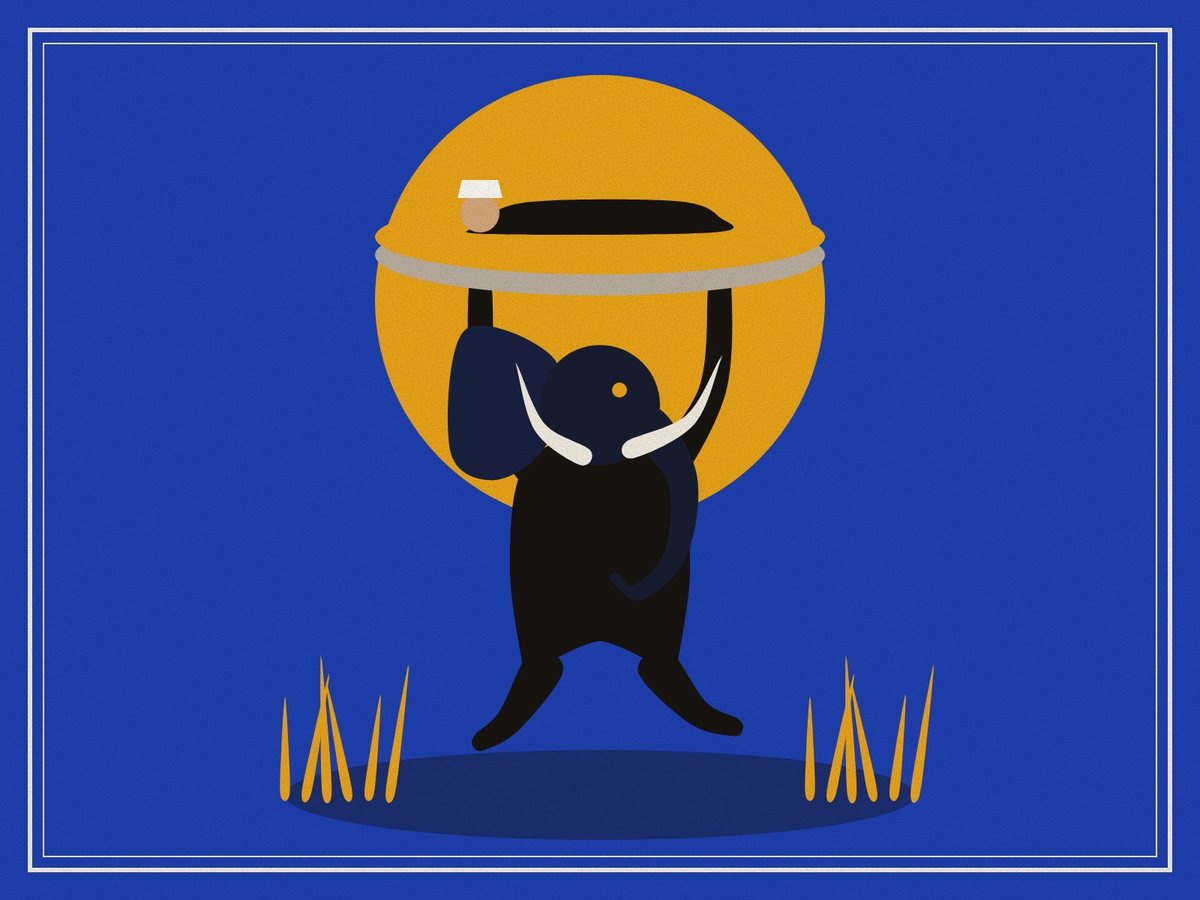
A div disguised as a golden wild ass, who lifted the sleeping Rostam into the sky and asked whether he would rather fall on a mountain or into the sea.

Malign in the Avesta and the image of beauty in Persian poetry, the pari is still believed in many regions to live near water, giving and taking in equal measure.
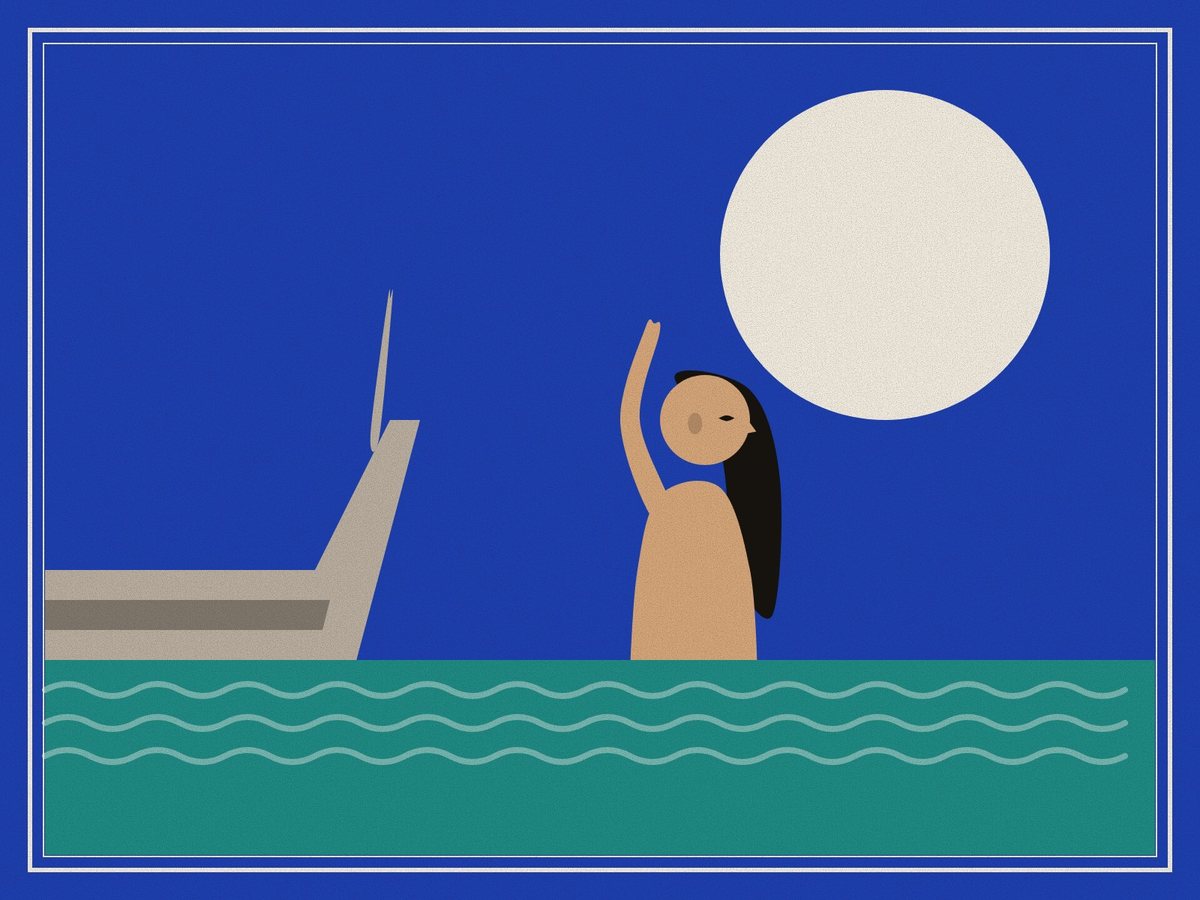
On the Persian Gulf coast the pari lives in the sea: beautiful, unpredictable, and part of the lore that sailors, pearl divers and fishing families carried from port to port.
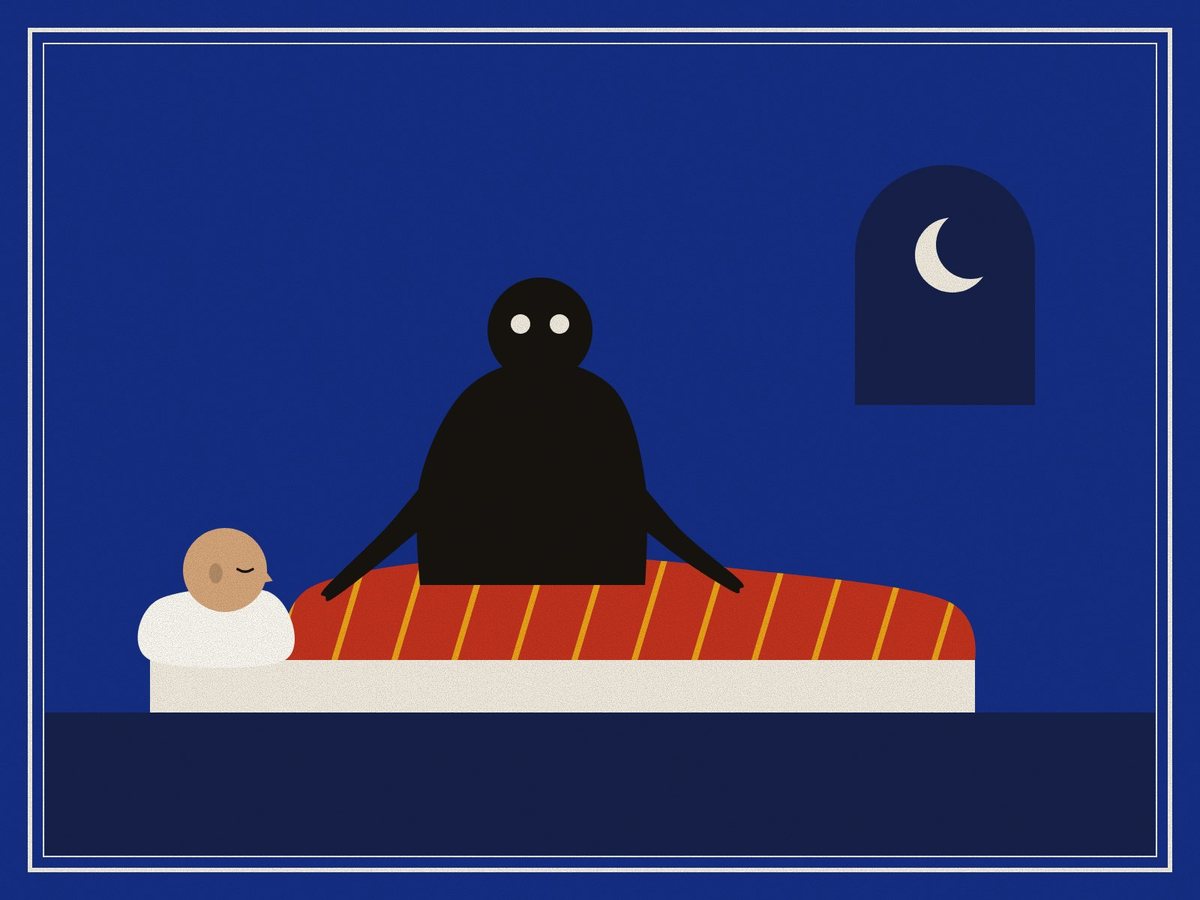
The weight on the chest in the dark: a she-creature said to sit on sleepers so that they cannot move or cry out.
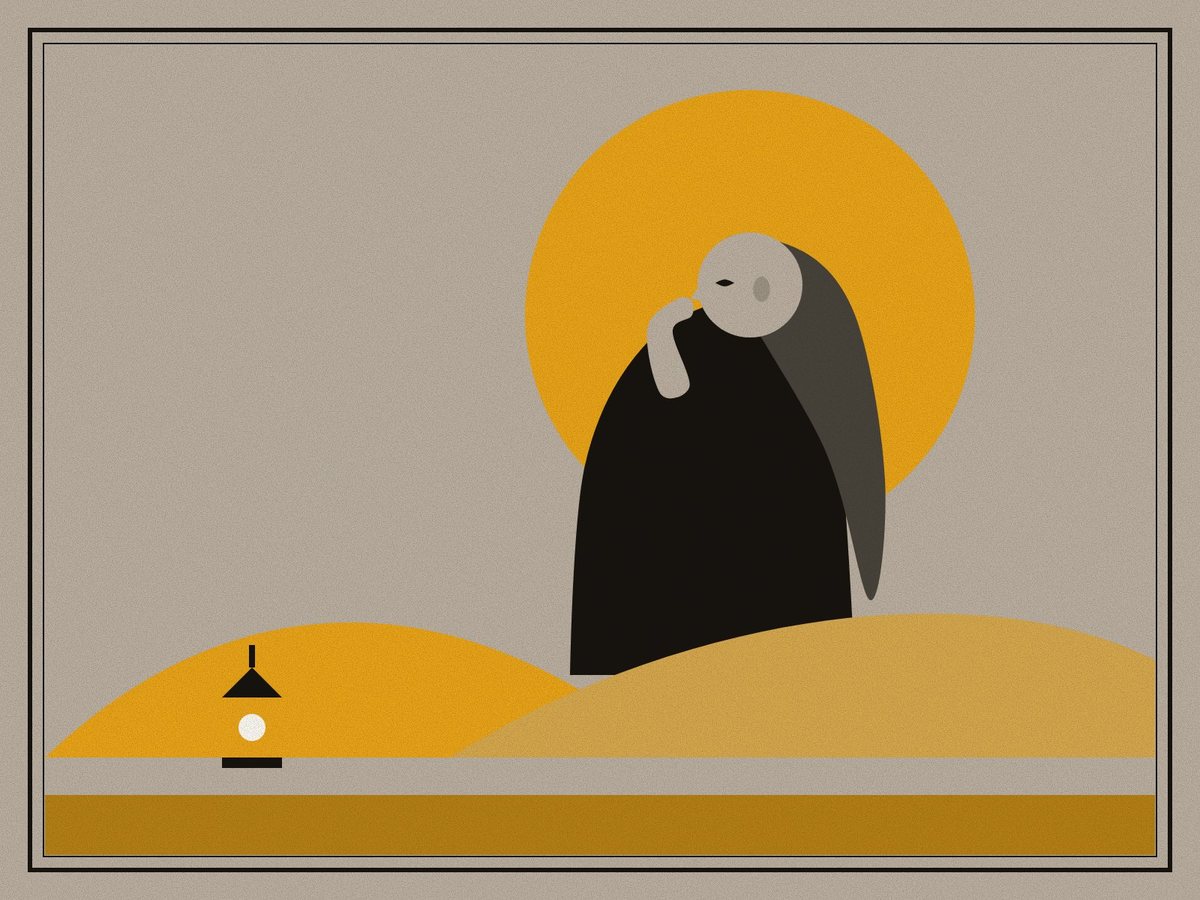
The desert shape-shifter who calls travellers by name and leads them astray, a fear as old as the caravan routes across the salt plains.
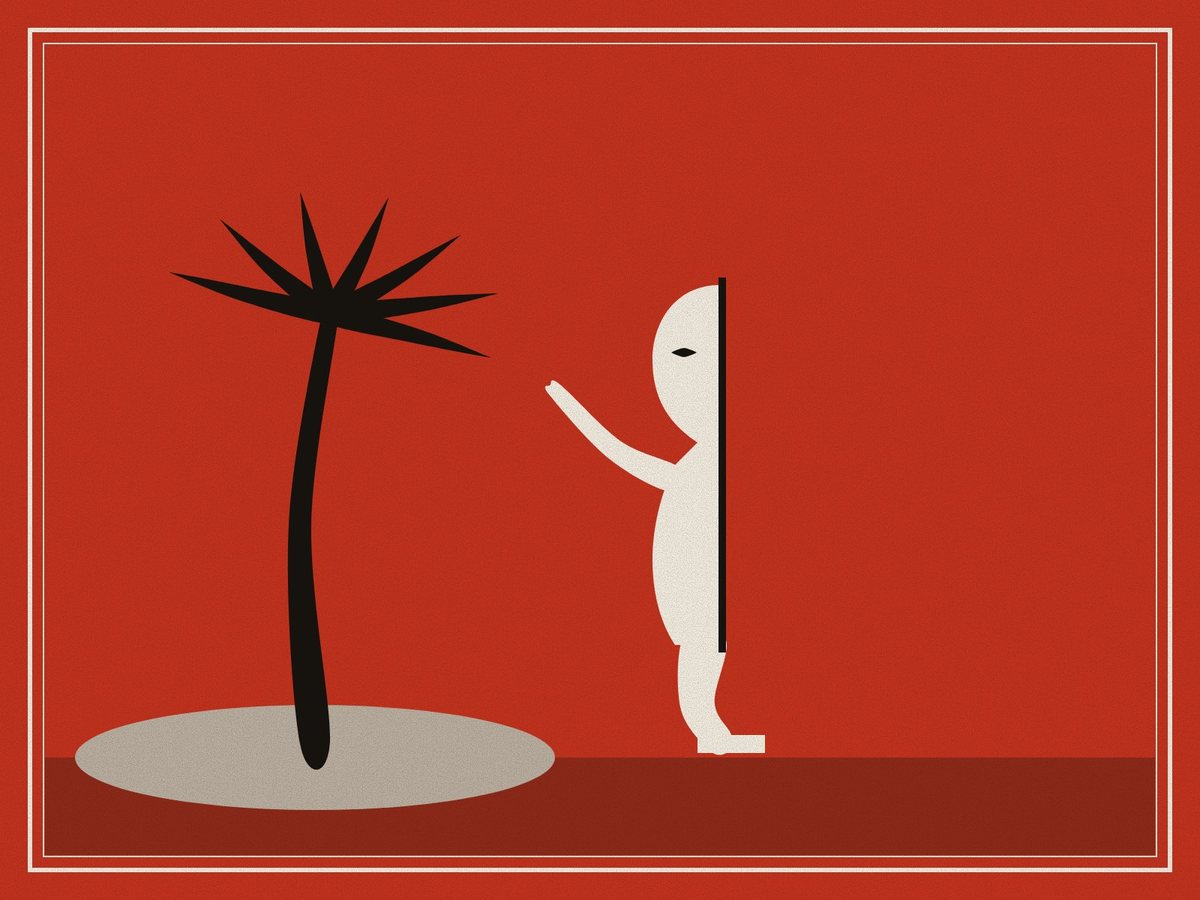
Half a person, with one arm, one leg and half a face, the nasnas hops through the books of marvels and the epics that grew up around the Sistan heroes.
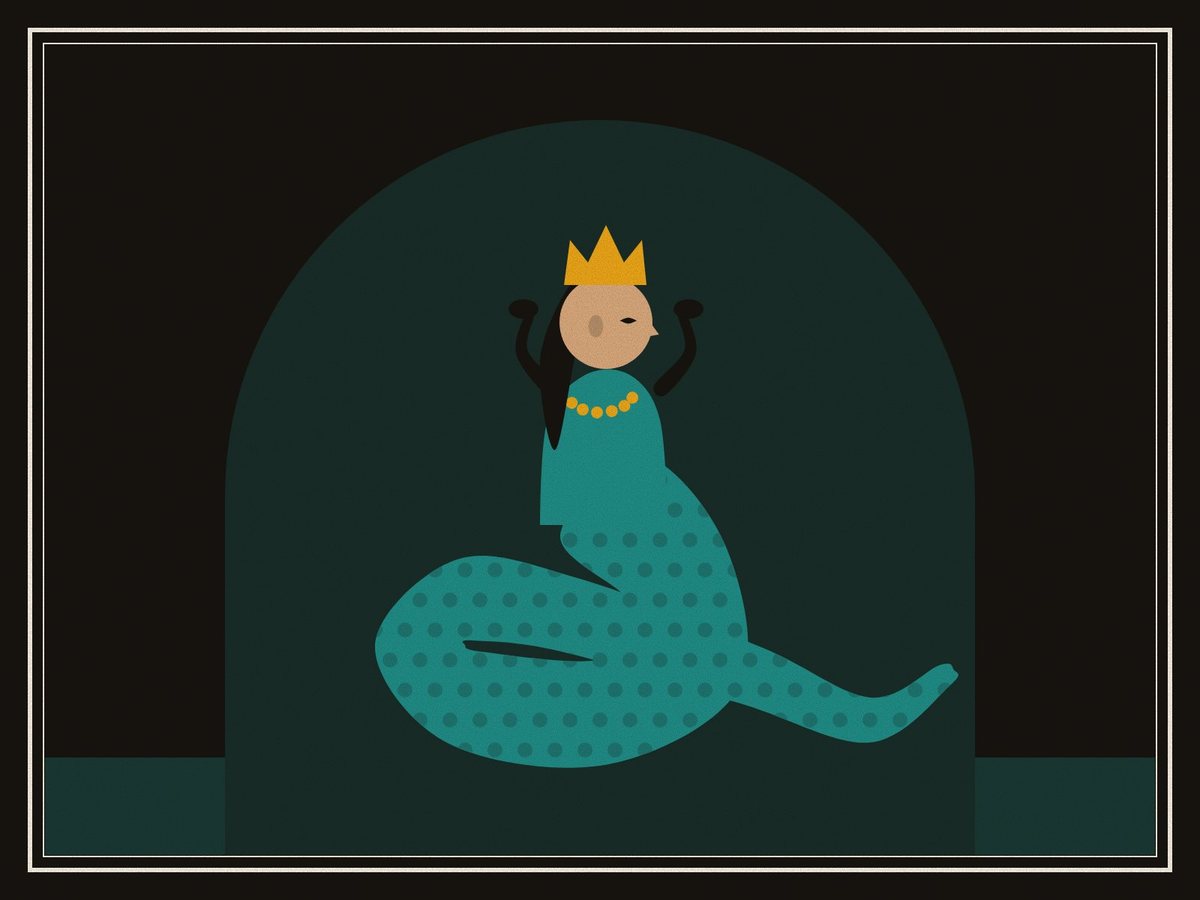
The wise queen of the snakes, a woman above and a serpent below, whose trust was betrayed by the young man she loved, and whose image still hangs in many Kurdish homes.
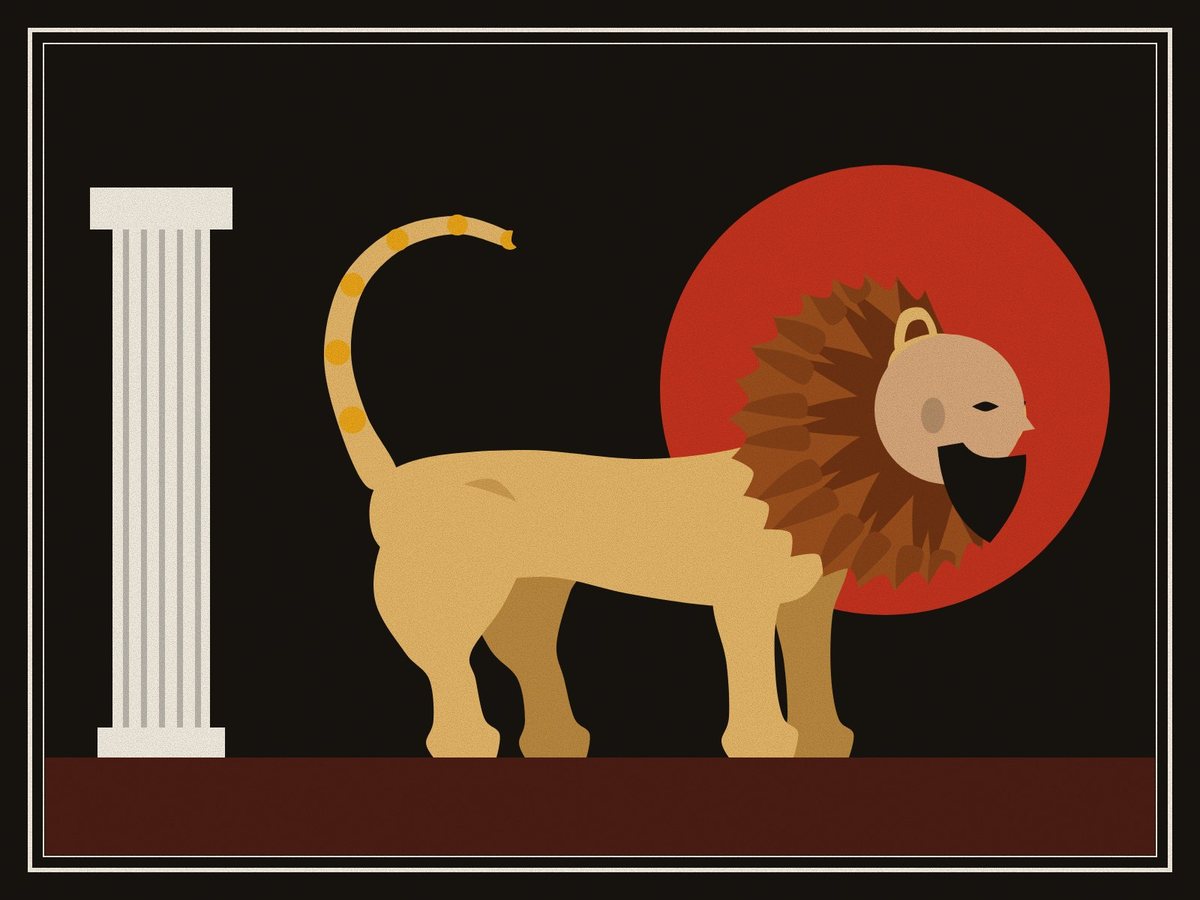
The man-eater with a human face and a tail of stings, described by a Greek doctor at the Persian court, whose Persian name became the European manticore.
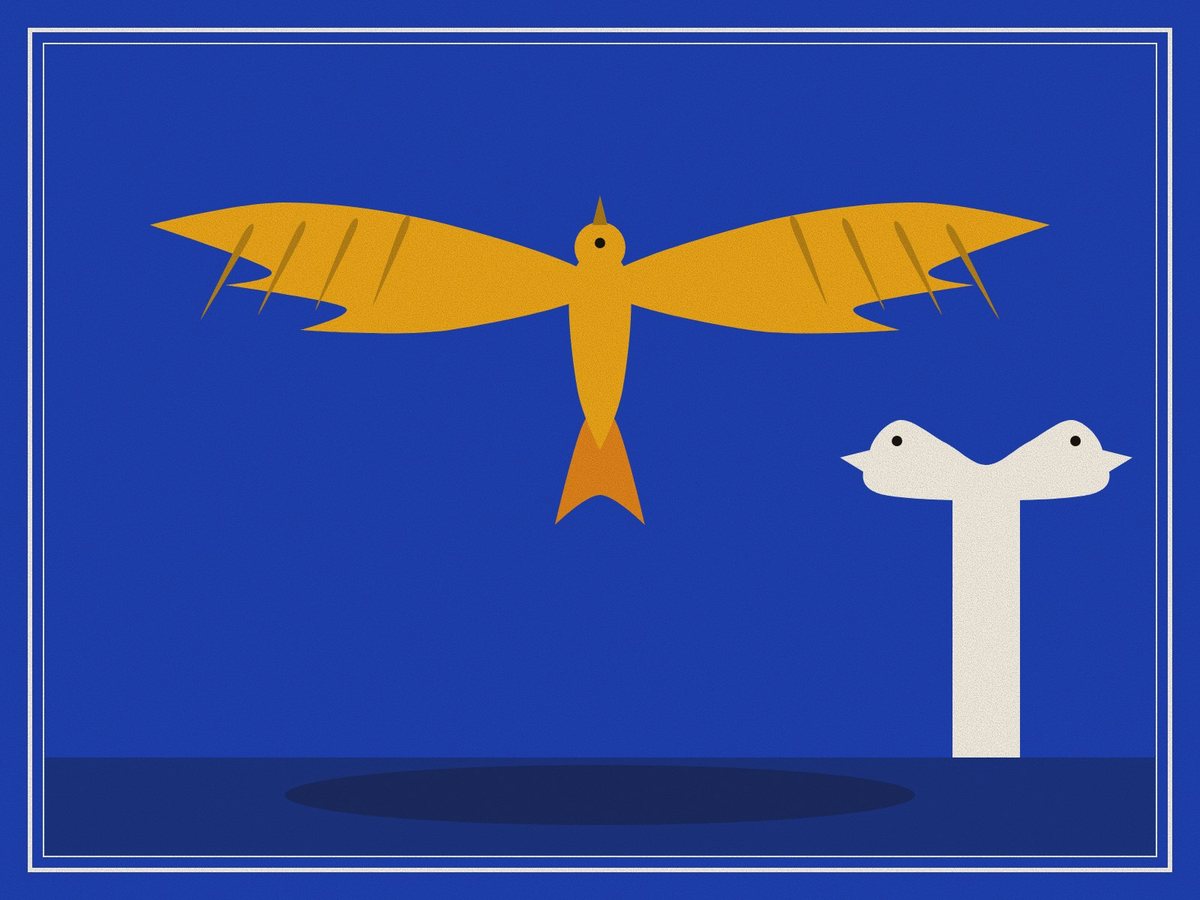
The bird of good fortune whose shadow was said to make a king, and who, the poets say, eats only bones and harms no living thing.
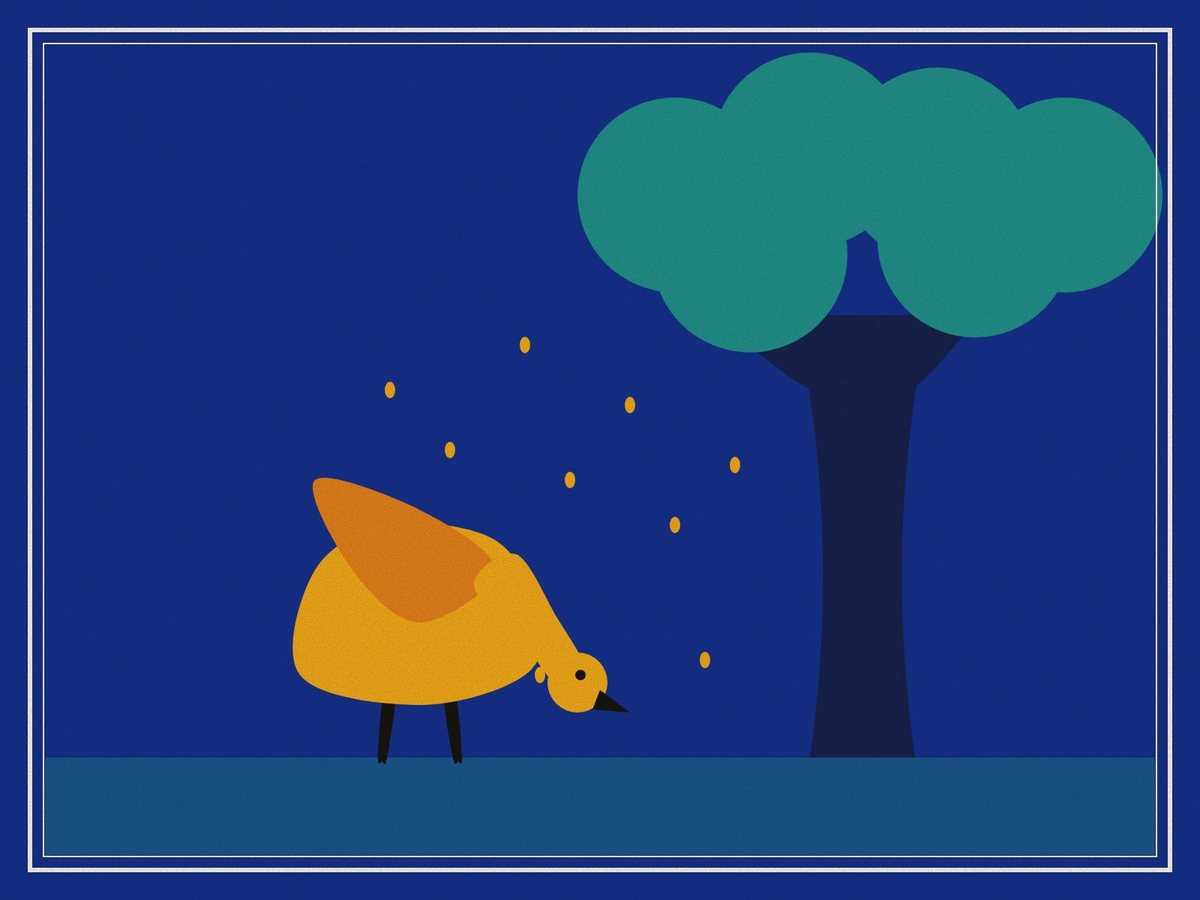
The great bird beneath the Tree of All Seeds, who gathers the seeds the Simorgh shakes loose, and in one account plucks up invaders like grain.
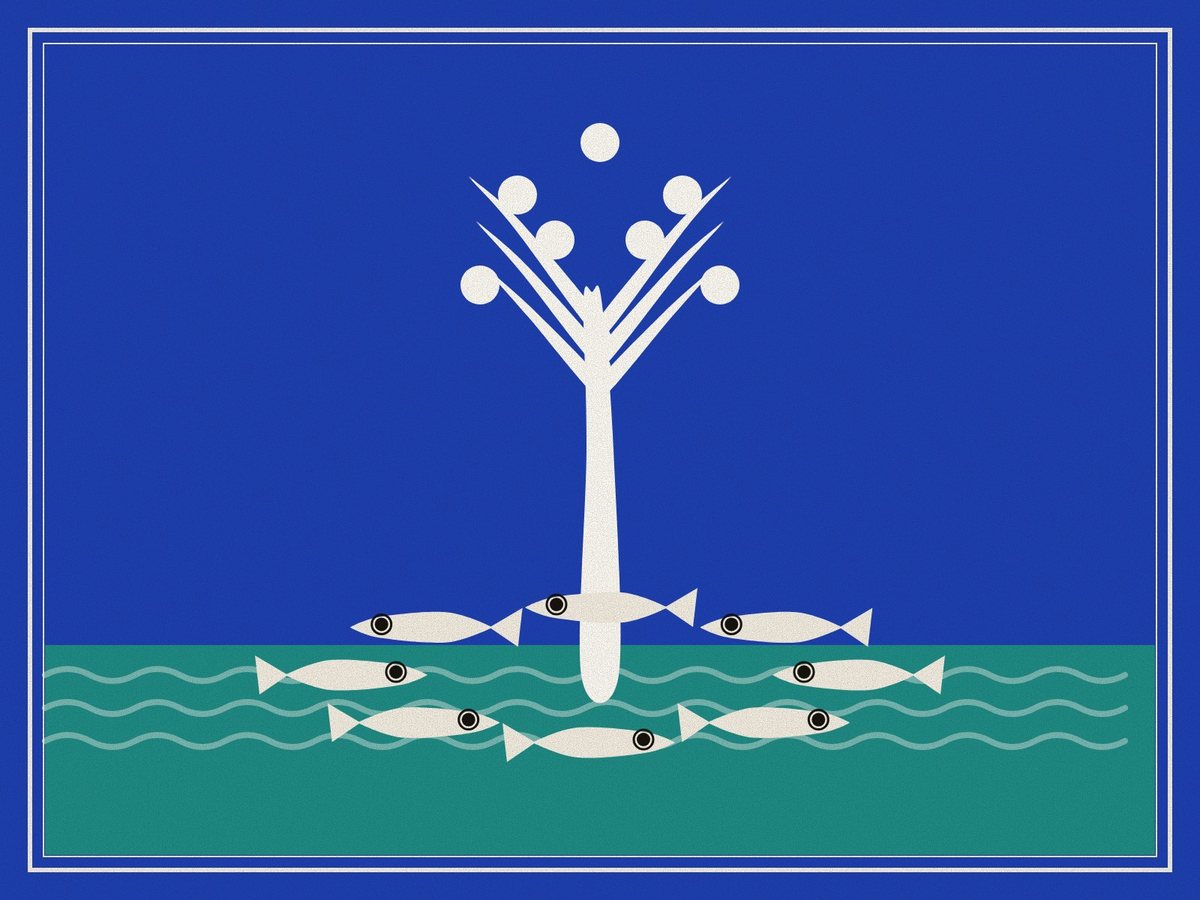
The keen-eyed fish who circles the sacred white Hom tree in the cosmic sea, keeping watch against the creature Ahriman sent to destroy it.
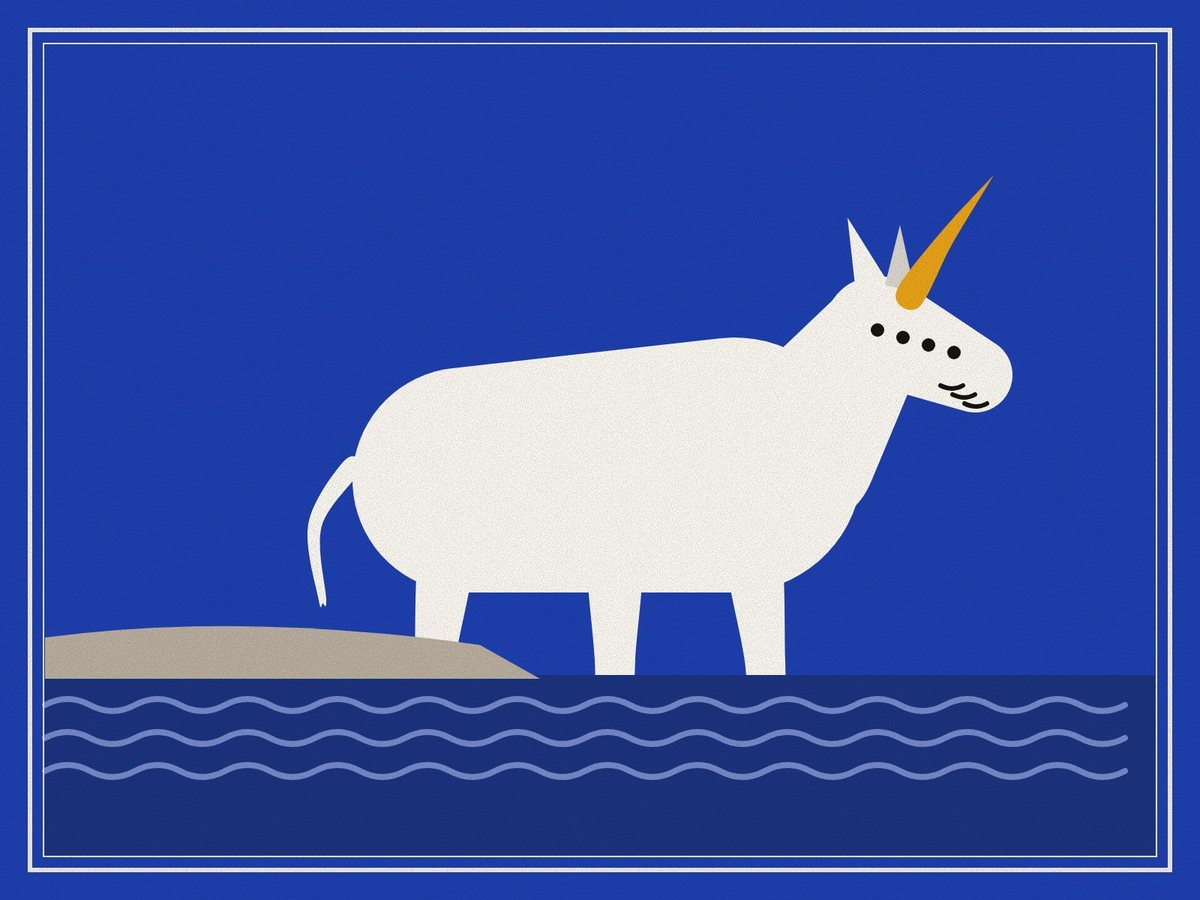
A white, one-horned giant with three legs, six eyes and nine mouths who stands in the cosmic sea and keeps its waters pure.
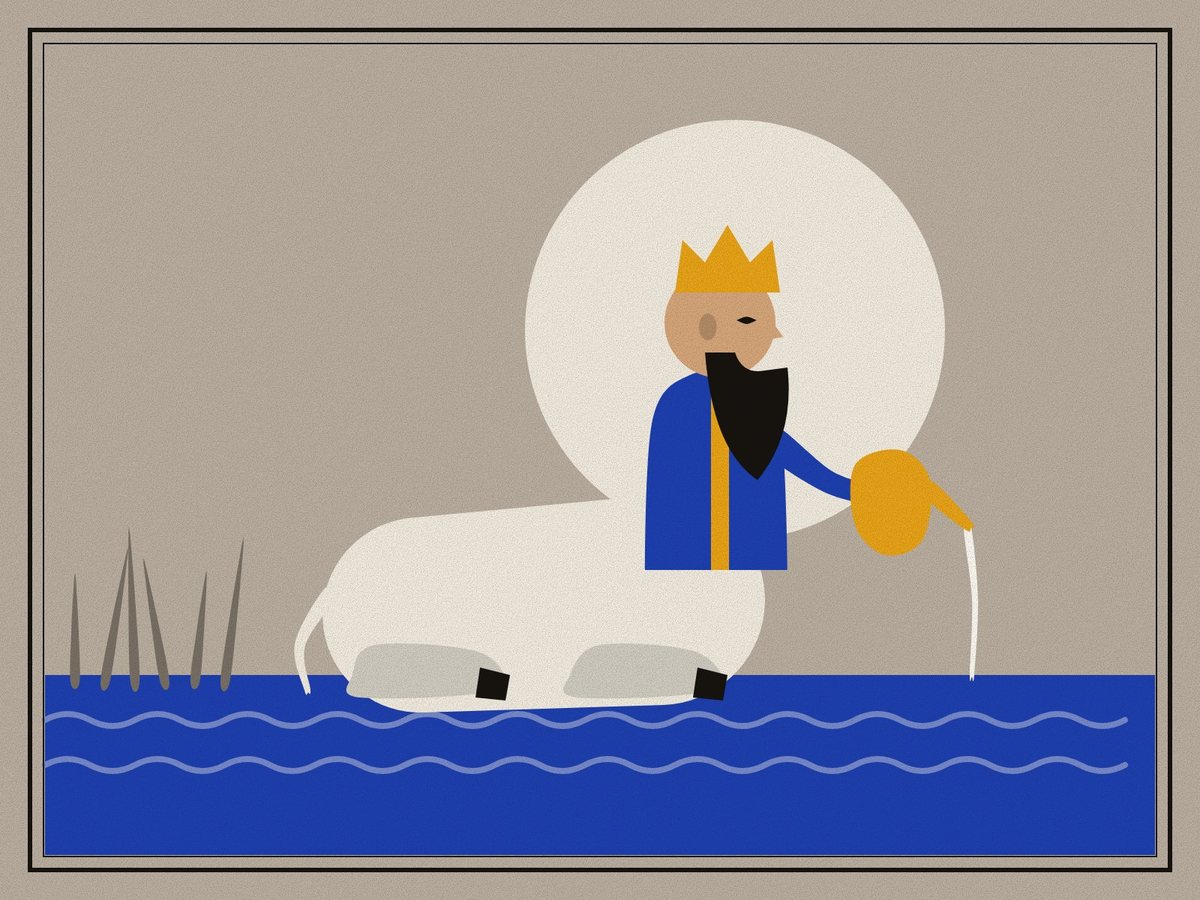
A ruler who is a man from the waist up and an ox below, who sits by the water pouring offerings and keeps the ox whose fat will make the world immortal.
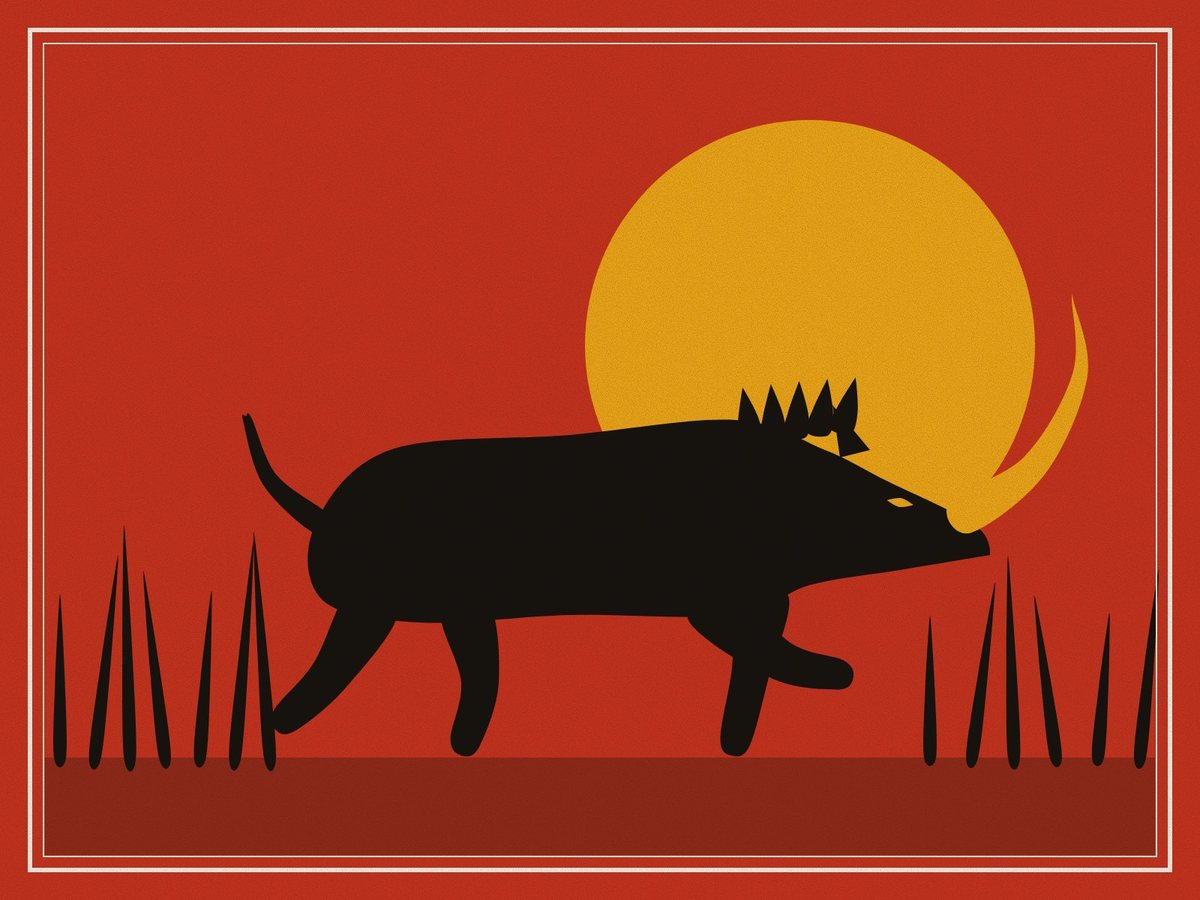
The one-horned beast of Persian and Arabic natural history, part rhinoceros and part unicorn, hunted by Bahram Gur in India and painted with endless imagination.
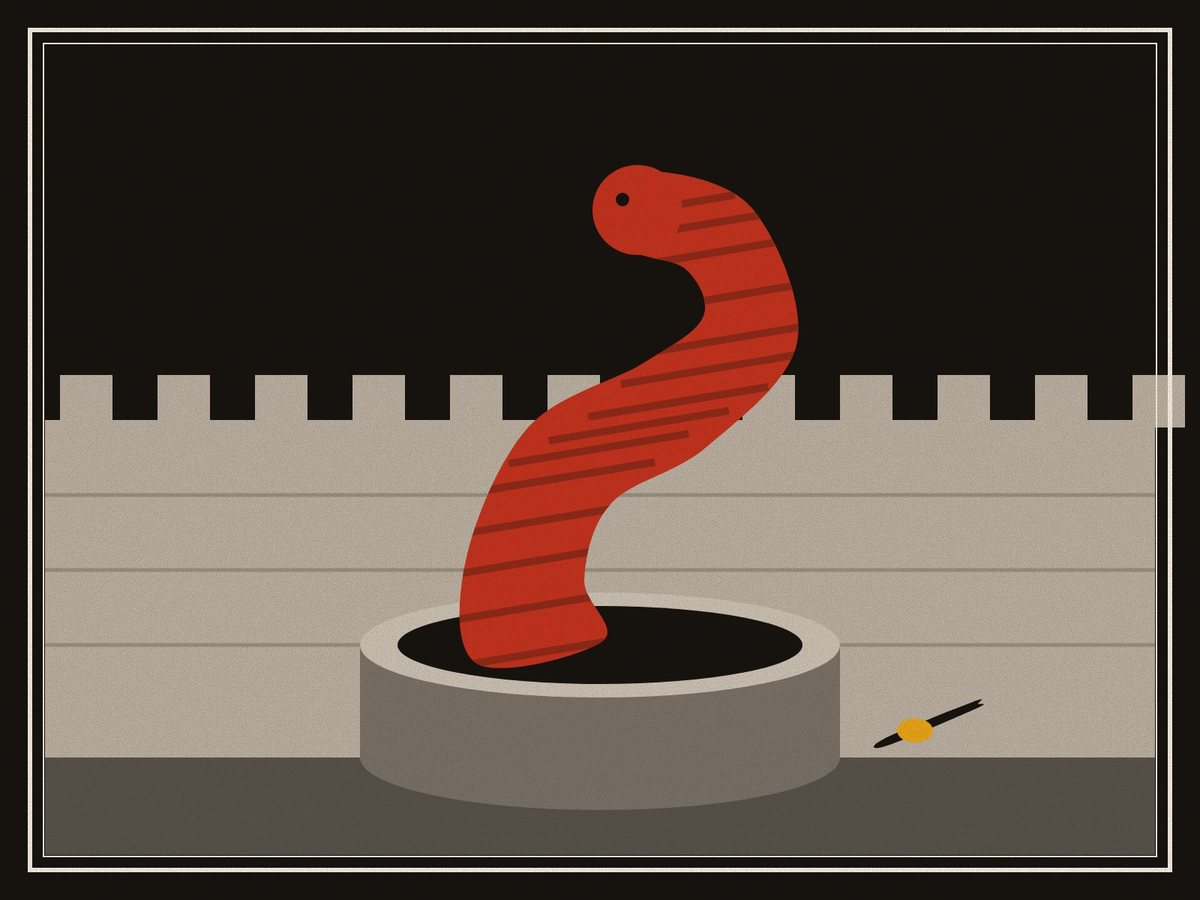
A tiny worm found in an apple that grew into a monster in a fortress, made its keeper rich and powerful, and was finally killed by Ardashir with molten metal.

On the Persian Gulf coast, certain winds are understood to afflict people and are calmed, not banished, in ceremonies of music and dance that are still practised today.
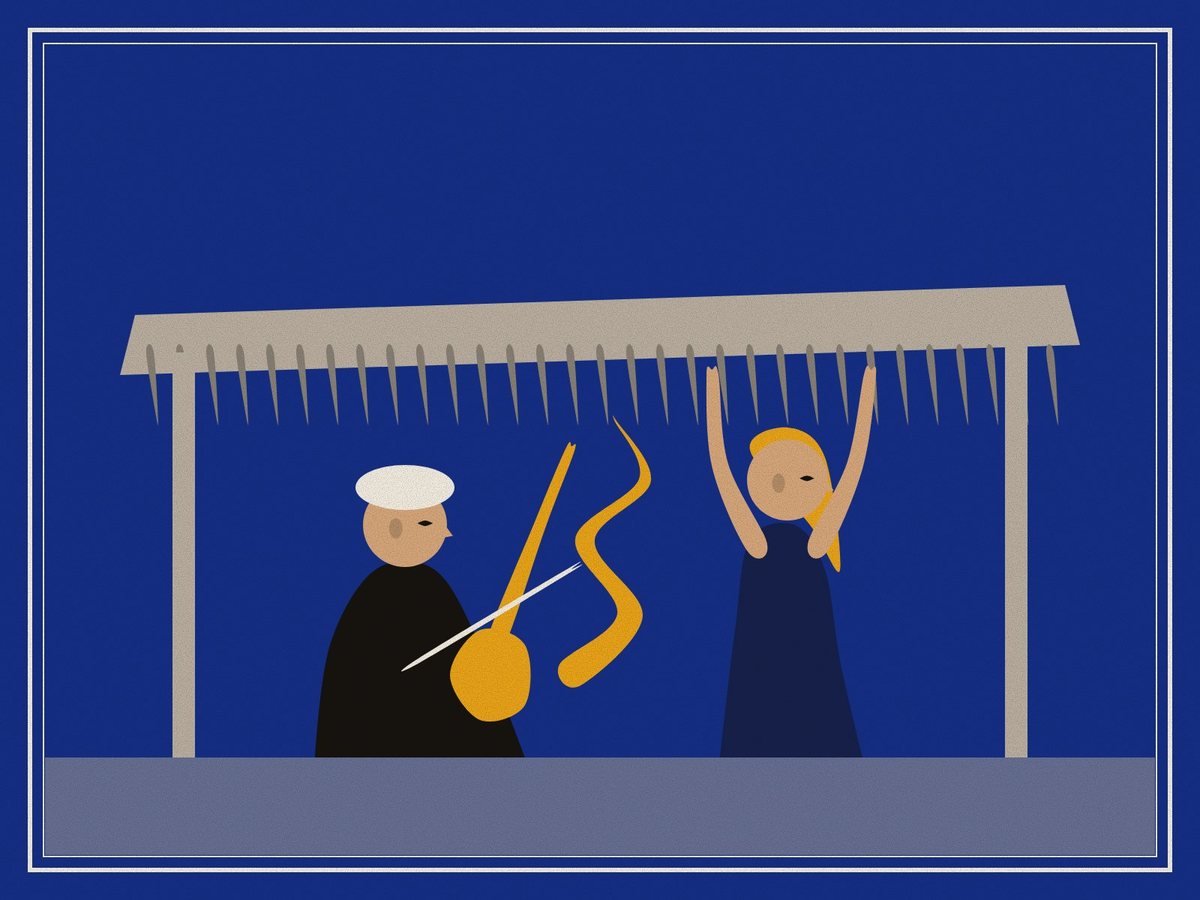
In Baluchistan, gwat, "wind", names unseen beings that can cause illness, and the gwati ceremony meets them with music, chant and dance.
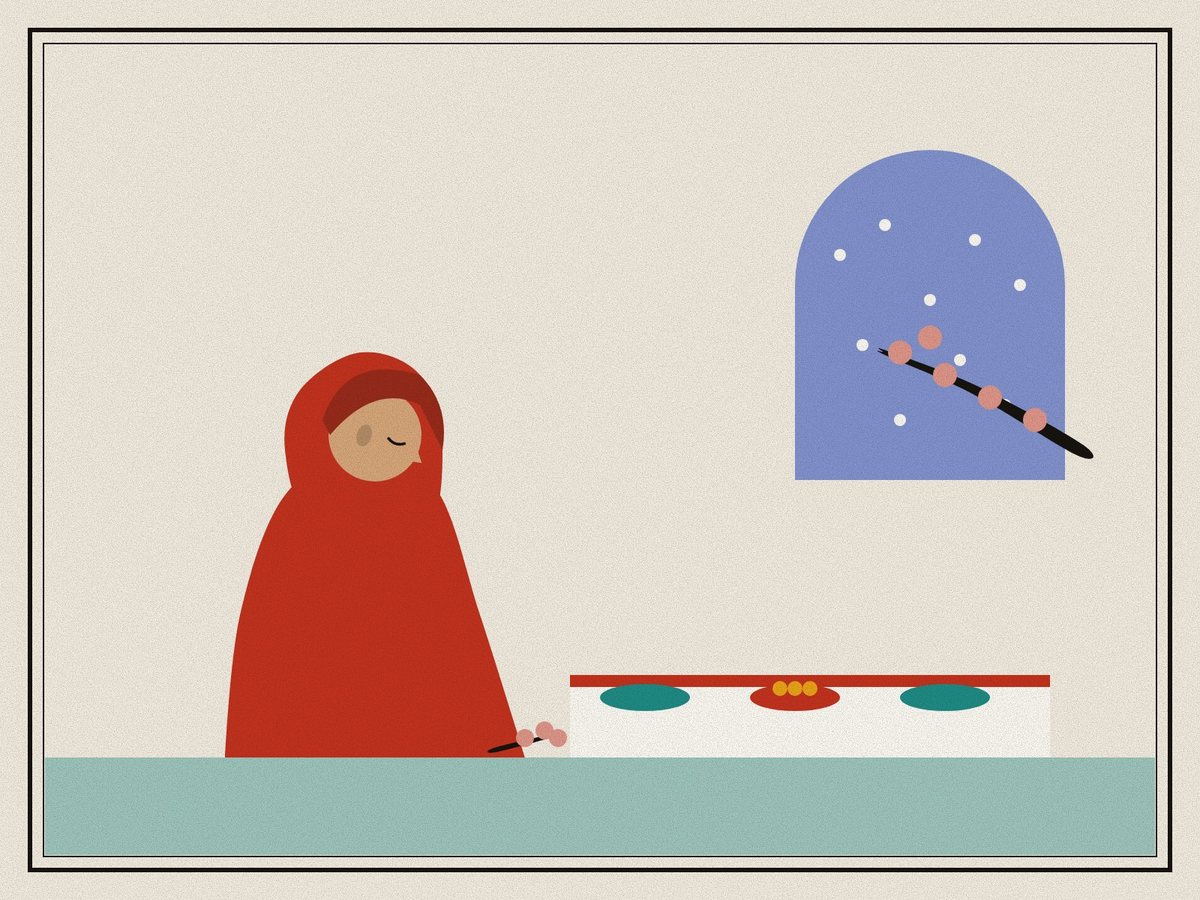
Old Mother Cold, who prepares all winter for Amu Nowruz, Uncle New Year, and falls asleep just before he arrives.
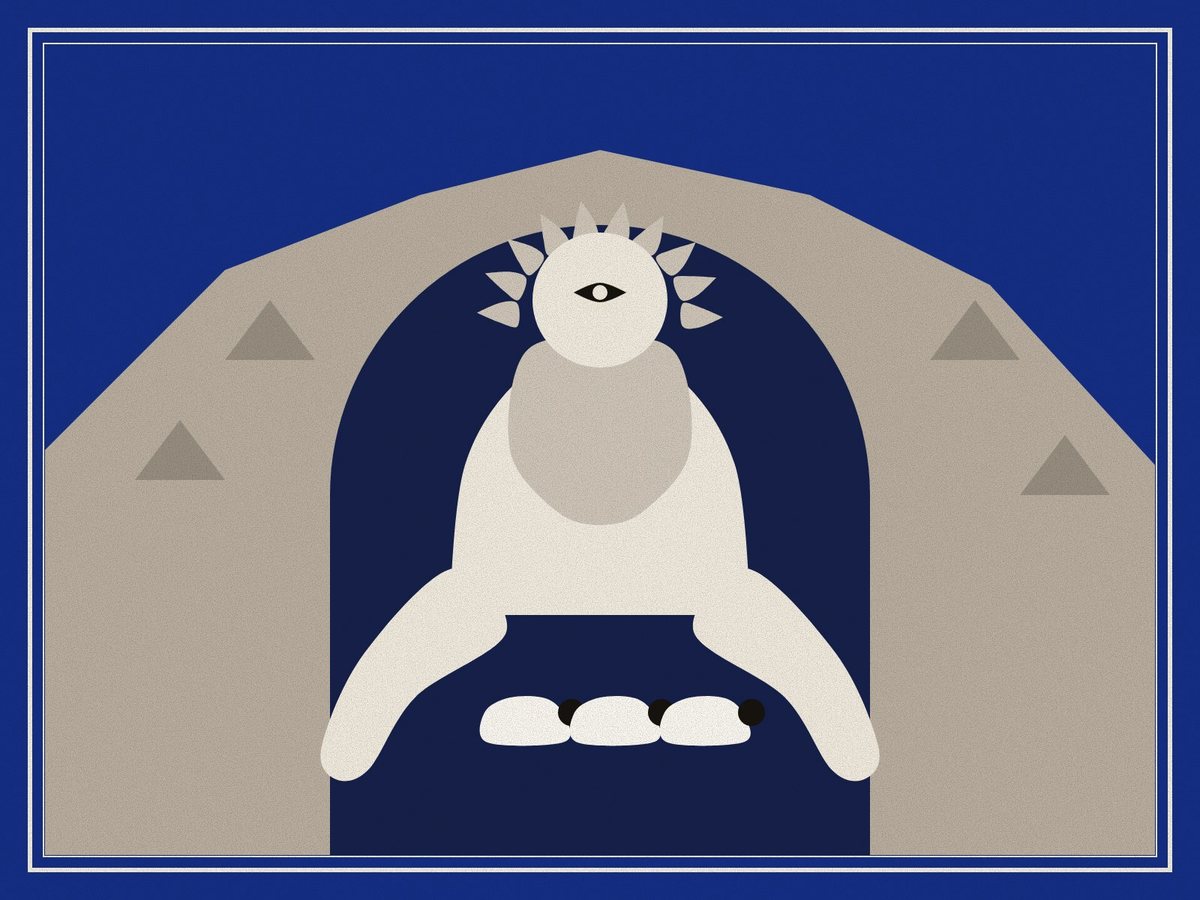
The giants of the Ossetian Nart sagas, huge and strong but slow-witted, whom the heroes of the Narts defeat more by cunning than by force.