Naser Khosrow
ناصرخسرو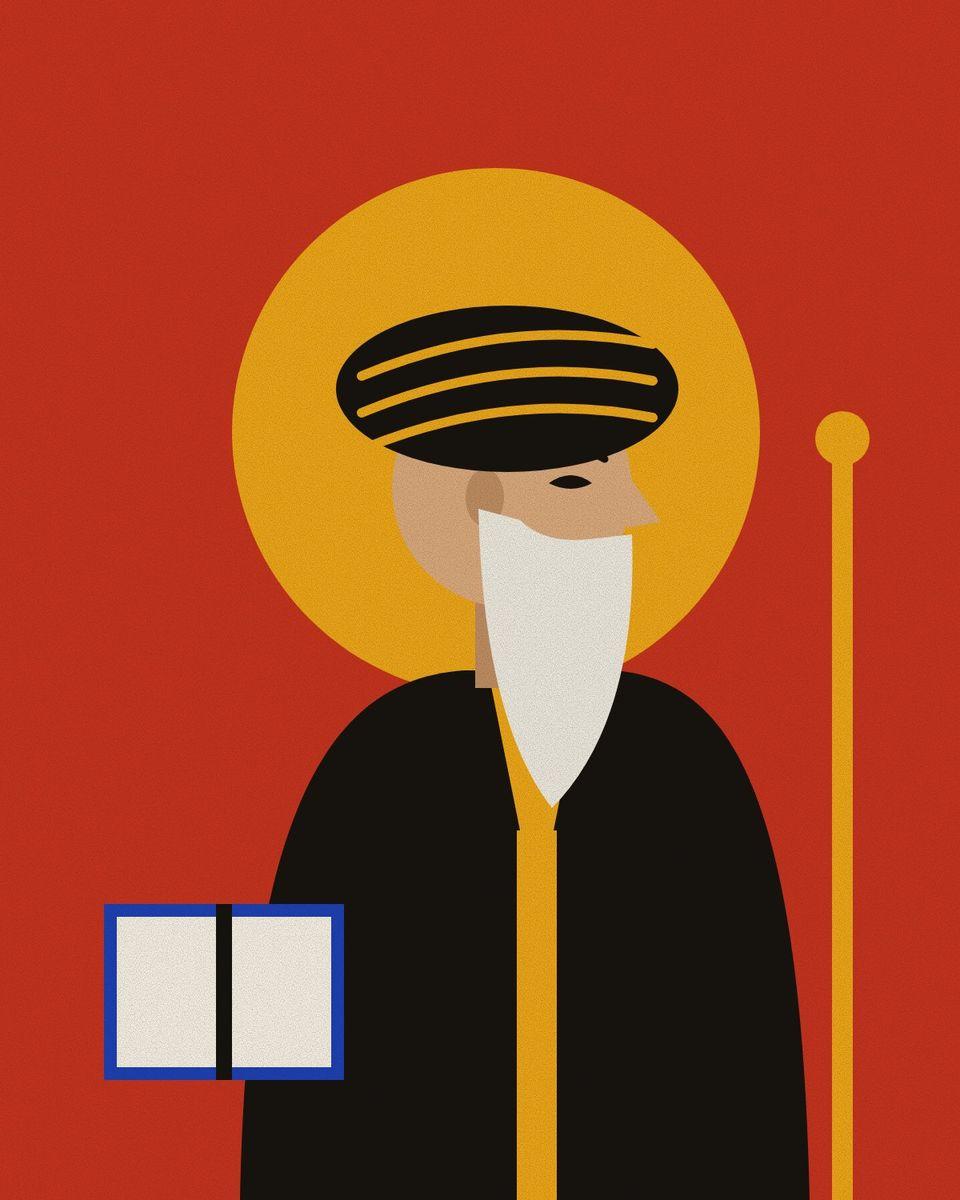
Poet, philosopher, traveller and Ismaili preacher, whose qasidas argue for reason and faith against the deceits of the world.
- Known for
- His Divan and the Safarnameh (Book of Travels)
- Forms
- Qasida, Prose
- Places
- Tajikistanتاجیکستان
- Balkhبلخ
- Merv and Nisaمرو و نسا
- Collection
- The Greats
Abu Mo'in Naser Khosrow was born in 1004 in Qobadiyan, in the region of Balkh, and worked for years as an official in the government of Khorasan. In about 1045, by his own account after a dream that shamed him out of a life of wine, he set out on a journey of some seven years to Mecca and Fatimid Cairo, which he described in his Safarnameh (Book of Travels).
In Cairo he joined the Ismaili cause, and he returned to Khorasan as one of its leading preachers. Persecuted for his faith, he spent his last years in refuge at Yumgan, in the mountains of Badakhshan, where he wrote much of his Divan: stern, learned qasidas on reason, faith and the faithlessness of the world. His shrine at Yumgan is still visited.
Booksکتابها
The principal works of Naser Khosrow.
The Divan of Naser Khosrow
دیوان ناصرخسروNaser Khosrow's collected poems, almost all qasidas: sermons in verse on reason, faith, learning and the deceits of the world, often spoken from the loneliness of exile. Their argument and moral seriousness set them apart from the court poetry of the age.
Read 3 poemsThe Safarnameh (Book of Travels)
سفرنامهA plain, exact account of his seven-year journey from Khorasan through Iran, Syria and Palestine to Mecca and Fatimid Cairo, and home again by way of Arabia and Isfahan. Its descriptions of Jerusalem, Cairo and other cities are valued by historians.
Provisions for Travellers (Zad al-Mosaferin)
زادالمسافرینA philosophical work in Persian prose on the soul, the world and the hereafter, written from an Ismaili point of view. It is one of the early works of philosophy written in Persian rather than Arabic.
Poems by Naser Khosrowشعرها
In the original Persian, beside an English translation.
نکوهش مکن چرخ نیلوفری را
برون کن ز سر باد و خیره سری را
Do not blame the lotus-blue wheel of heaven;
drive the wind of vanity and wilfulness from your head.
Do Not Blame the Blue Heavens
گویند عقابی به در شهری برخاست
وز بهر طمع پر به پرواز بیاراست
They say an eagle rose up at the gate of a city
and, out of greed, spread its wings for flight.
The Eagle and the Arrow
آزرده کرد کژدم غربت جگر مرا
گوئی زبون نیافت ز گیتی مگر مرا
The scorpion of exile has stung me to the liver;
it seems it found no one in the world weaker than me.
The Scorpion of Exile
Naser Khosrow in Iranian history
Iranian historyThe Arab conquest and the Persian revivalفتح اعراب و احیای زبان فارسی
Islam reached Iran with the Arab armies of the 7th century. Persian survived, took on a new script and, under dynasties such as the Samanids, returned as one of the great literary languages of the world.