Sunni Islam in the Iranian world
اهل سنت در جهان ایرانیSunni Islam is the faith of most Muslims in Afghanistan and Tajikistan, of Kurds, Baluch and Turkmen in Iran, and of the great scholars of medieval Khorasan.

Sunni Muslims, Ahl-e Sonnat va Jama’at, ‘the people of the Prophet’s custom and the community’, follow the Prophet’s example as handed down in the hadith and interpreted by four schools of law. Two matter most in the Iranian world. The Hanafi school, named after Abu Hanifa of Kufa, is followed in Afghanistan, Tajikistan and Central Asia, and by Baluch and Turkmen in Iran. The Shafi’i school is followed by most Kurds and by many Sunnis along the Persian Gulf coast. For much of its Islamic history, until the Safavid conversions of the sixteenth century, most of Iran itself was Sunni.
The scholars of Khorasan
Medieval Khorasan and Transoxiana were among the great centres of Sunni learning. Five of the six compilers of the canonical Sunni hadith collections came from the eastern Iranian world: al-Bukhari of Bukhara, Muslim of Nishapur, Abu Dawud of Sistan, al-Tirmidhi of Termez and al-Nasa’i of Nasa; the sixth, Ibn Majah, came from Qazvin. Al-Tabari of Amol in Tabaristan wrote a vast history and a commentary on the Qur’an. In theology al-Maturidi of Samarkand founded one of the two main schools of Sunni creed. The Seljuk vizier Nizam al-Mulk founded the Nizamiyya colleges, where al-Ghazali of Tus taught before leaving his chair to seek a deeper faith; his Kimiya-ye sa’adat, ‘The Alchemy of Happiness’, is written in Persian. Al-Zamakhshari of Khwarazm and Fakhr al-Din al-Razi of Rey wrote famous commentaries on the Qur’an.
For much of its Islamic history, until the Safavid conversions of the sixteenth century, most of Iran itself was Sunni.
Persian poetry owes much to Sunni Khorasan. Sanai of Ghazni and Jami of Herat, the last great classical poet, wrote as Sunni Muslims, and Jami was a master of the Naqshbandi Sufi order.
A living faith
Today Sunni Islam is the majority faith in Afghanistan and Tajikistan, and among Uzbeks, Turkmen and others across Central Asia. In Iran it is the faith of most Kurds in the west, of the Baluch in Sistan and Baluchestan, of the Turkmen of Golestan, and of Persian-speaking communities in southern Fars, Hormozgan and parts of Khorasan. The Makki mosque in Zahedan is one of the largest Sunni mosques in Iran, and the Dar al-Ulum seminary beside it trains students from across the region. Among Kurds, Friday prayer in a village mosque, the circle of a Qadiri or Naqshbandi khanaqah with its frame drums, and the celebration of the Prophet’s birthday, Mawlud, sung in Kurdish, are part of everyday faith.
Sunni Iranians have long raised concerns about discrimination. USCIRF and the UN Special Rapporteur on the situation of human rights in Iran have reported restrictions on building Sunni mosques in some cities, including the absence of a Sunni mosque in Tehran, under-representation in senior state posts, and the arrest of Sunni clerics. Many Sunni Iranians describe their faith and their Iranian identity as one.
Across Cultureپیوندها
Peoples
Baluch
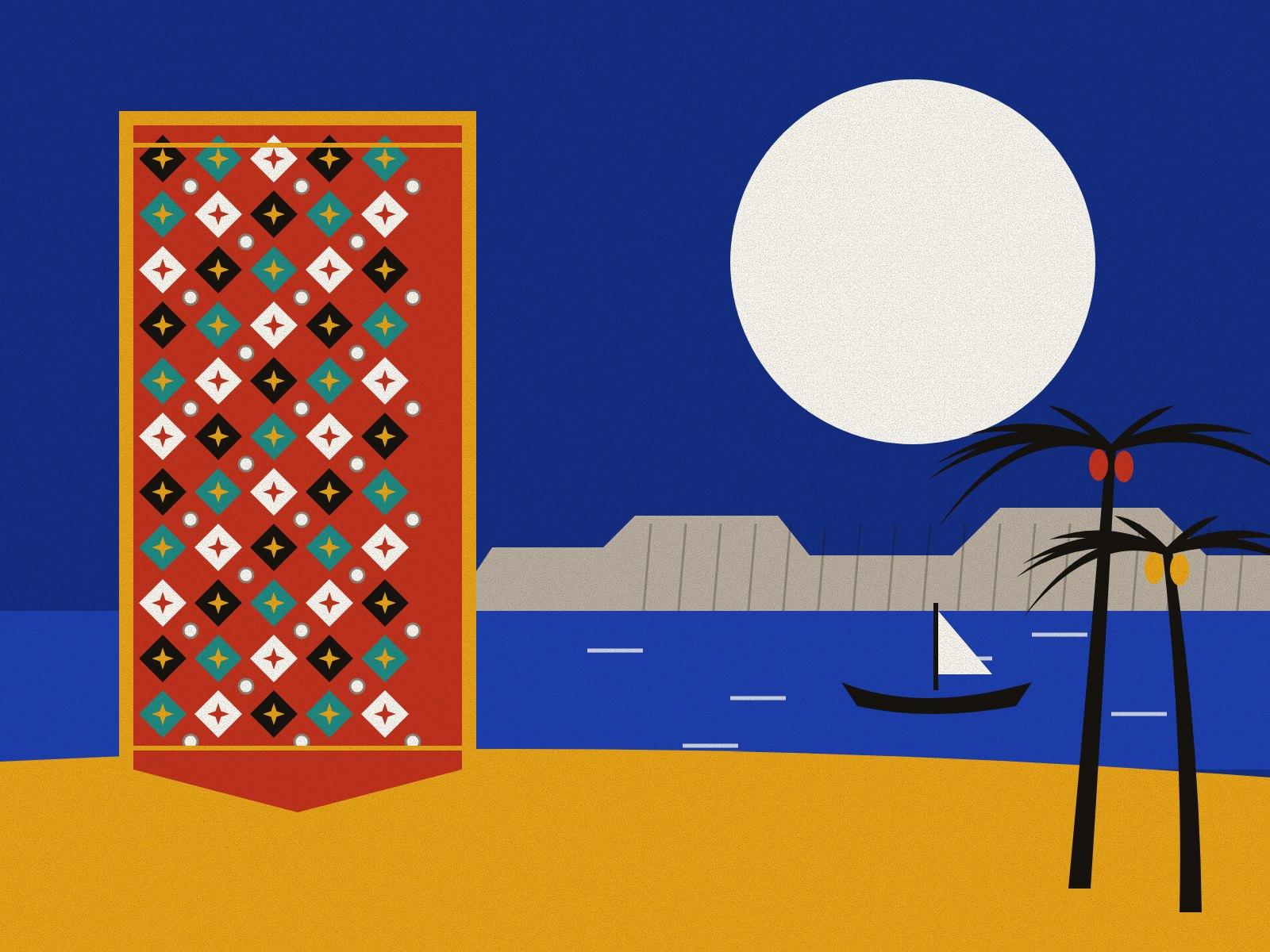
The Baluch, *Baloch* in their own spelling, live across Iran, Pakistan and Afghanistan and around the Gulf. They keep the Balochi language, epic ballads, healing music and some of Iran’s finest embroidery.

Peoples
Kurds
Kurds live across the Zagros and Taurus in Iran, Iraq, Turkey and Syria. In Iran they speak several Kurdish languages, keep several faiths, and light Newroz fires that every Iranian knows.
Peoples
Turkmen
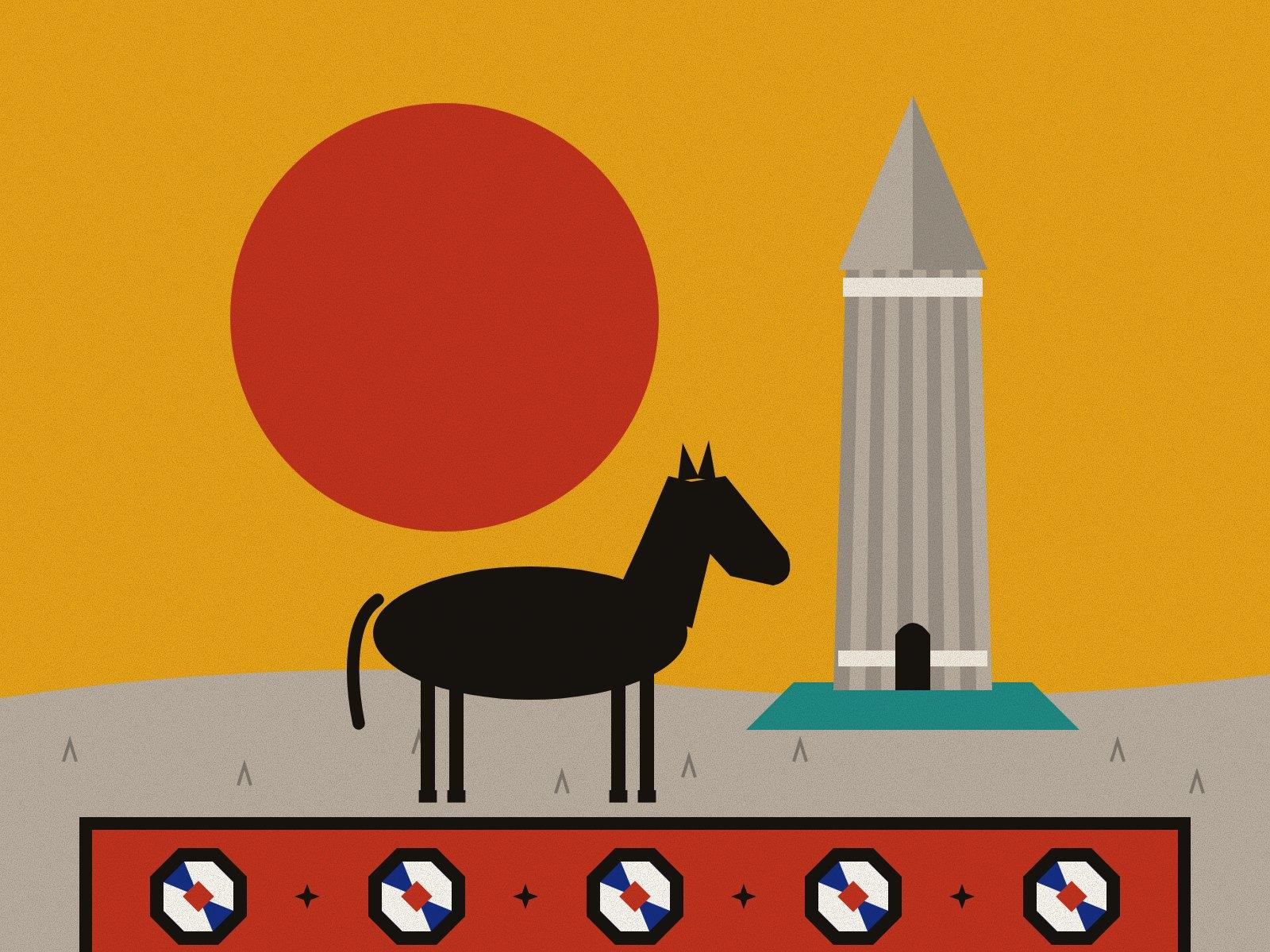
Iran’s Turkmen live on the Turkmen Sahra plain north of the Alborz. They keep the poetry of Magtymguly, the music of the *bagshy*, red carpets and a passion for horses.
More from Faithsدینها

Zoroastrianism
Good thoughts, good words, good deeds: the faith of Zarathushtra, kept by its followers in Yazd, Kerman, Tehran, Mumbai and far beyond.

Mithra and the old Iranian gods
Before and beside Zarathushtra stood older Iranian divinities: Mithra of the covenant, Anahita of the waters, Verethragna of victory. Their names survive in hymns, festivals and children.

Manichaeism
Mani, born in Sasanian Mesopotamia in 216 CE, founded a faith of light and darkness that reached from Roman Africa to the coast of China, and left Persian a proverbial painter.