Rulers of Iranشاهان ایران
The Achaemenids
هخامنشیانThe Achaemenids built the first Persian empire, stretching from the Aegean to the Indus under Cyrus II and Darius I. Their royal inscriptions, Persepolis and the administrative tablets found there are among the richest sources for any ancient dynasty, alongside Greek historians such as Herodotus and Ctesias.
The Arsacids (Parthians)
اشکانیانThe Arsacid dynasty rose in Parthia in north-eastern Iran and ruled an empire from Mesopotamia to Central Asia for nearly five centuries, long the main rival of Rome in the east. Every king took the throne name Arsaces, so much of their history is reconstructed from coins, Babylonian records and Greek and Roman writers.
The Sasanians
ساسانیانThe Sasanians, a family from Pars, overthrew the Arsacids in 224 and ruled an empire that rivalled Rome and Byzantium until the Arab conquest. Their rock reliefs, inscriptions and silver coins, on which each king wore his own crown, give a remarkably full picture of the royal image.
- Ardashir I
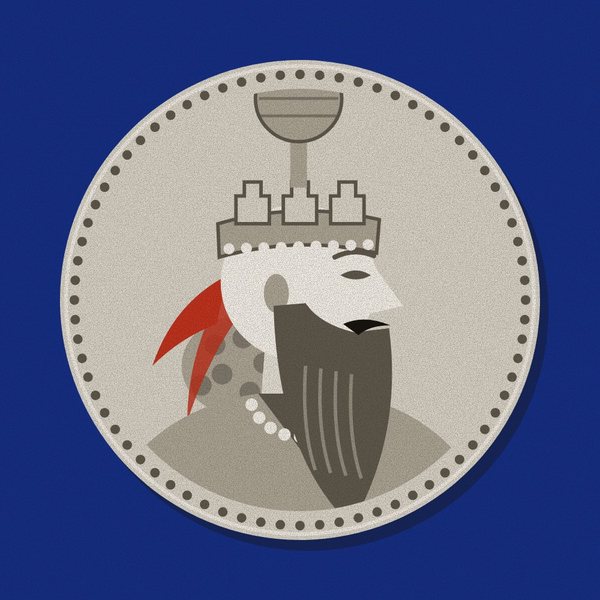
- Shapur I
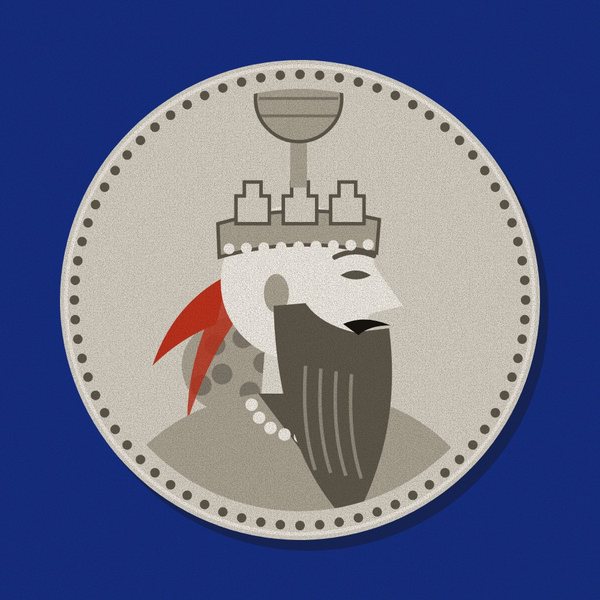
- Hormizd I
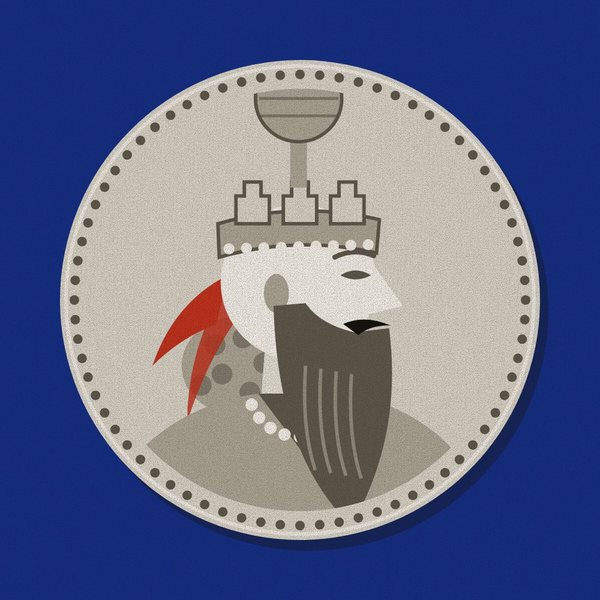
- Bahram I
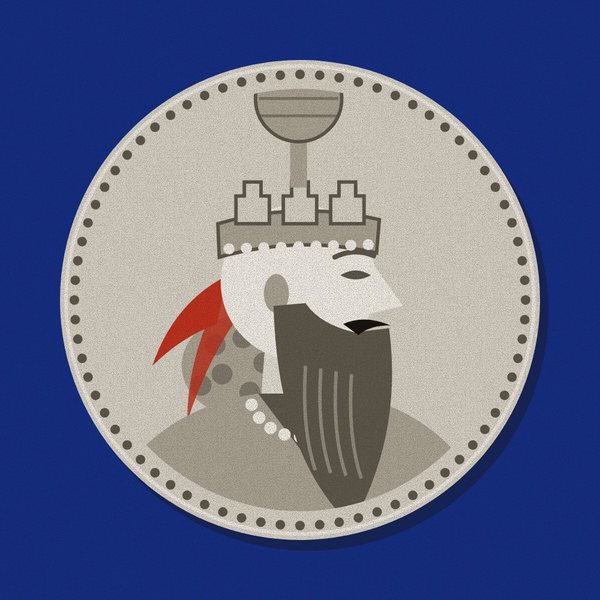
- Bahram II
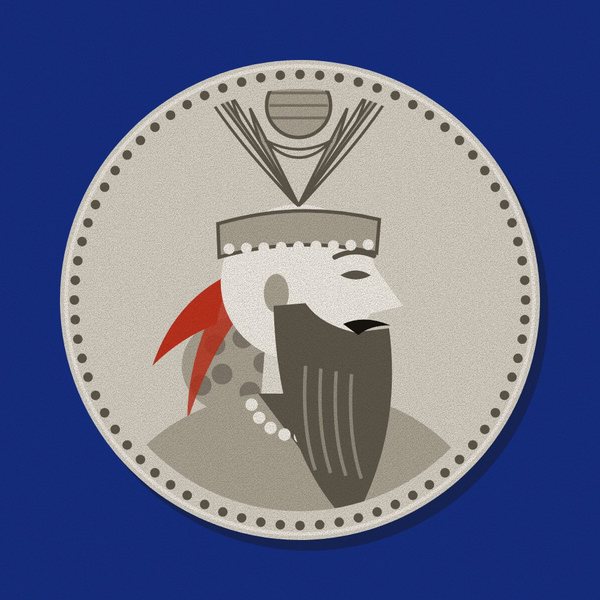
- Bahram III
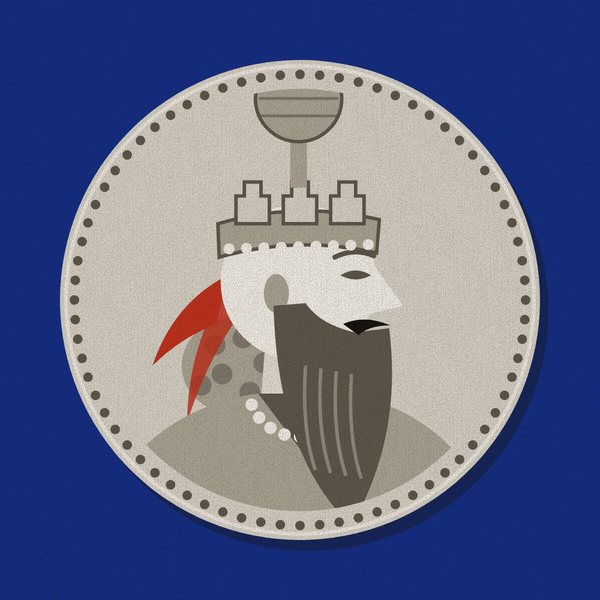
- Narseh
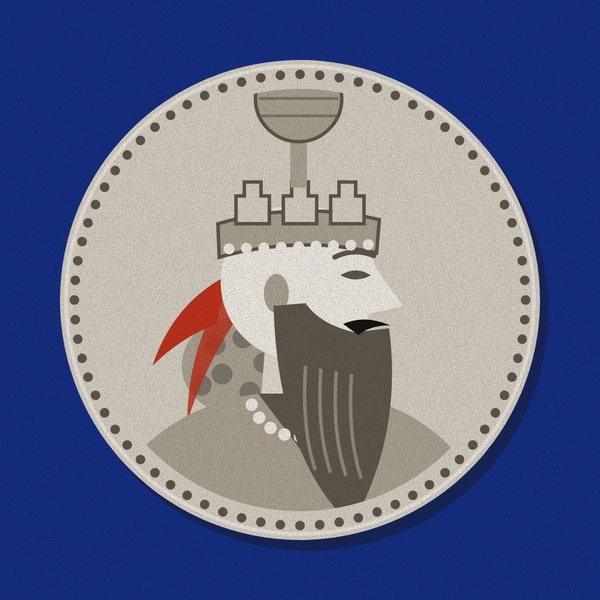
- Hormizd II
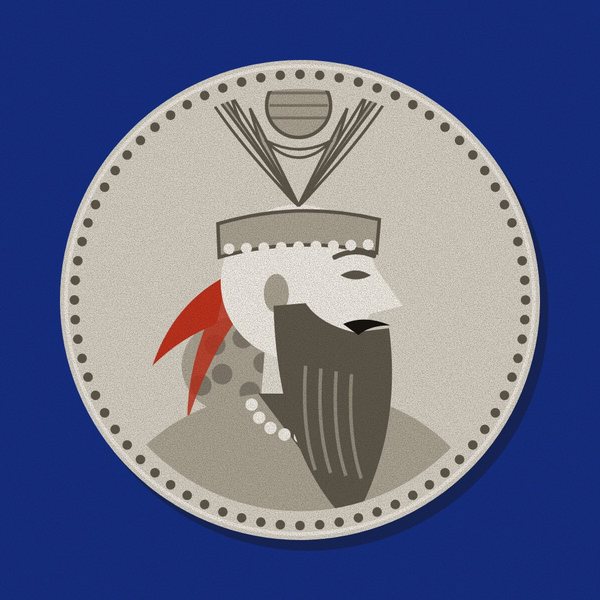
- Adur Narseh
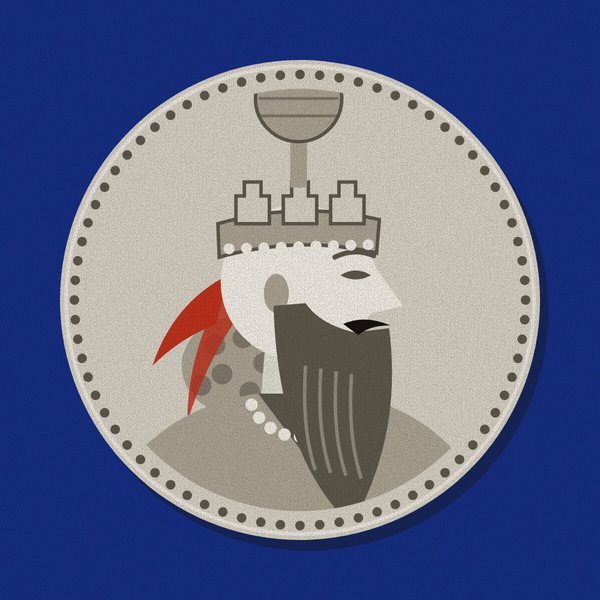
- Shapur II
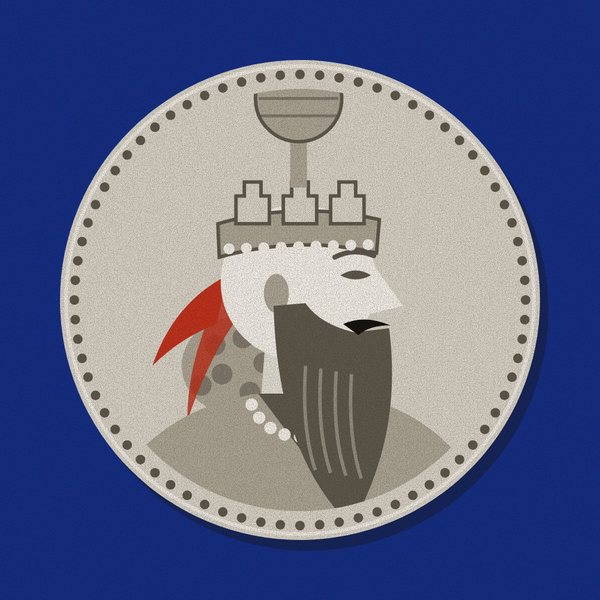
- Ardashir II
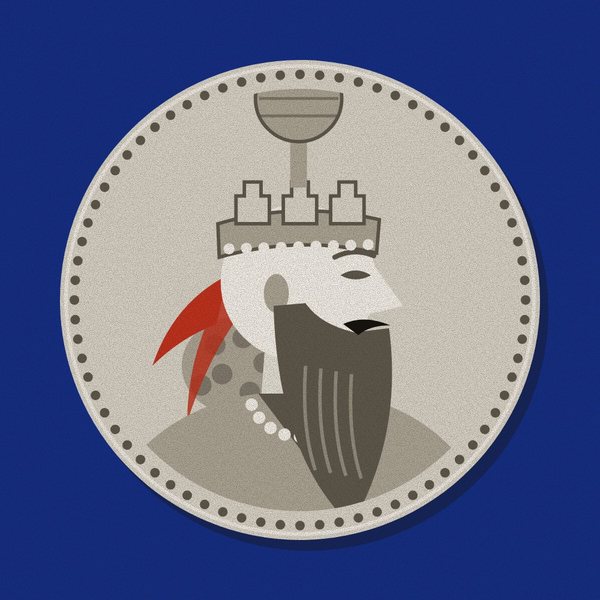
- Shapur III
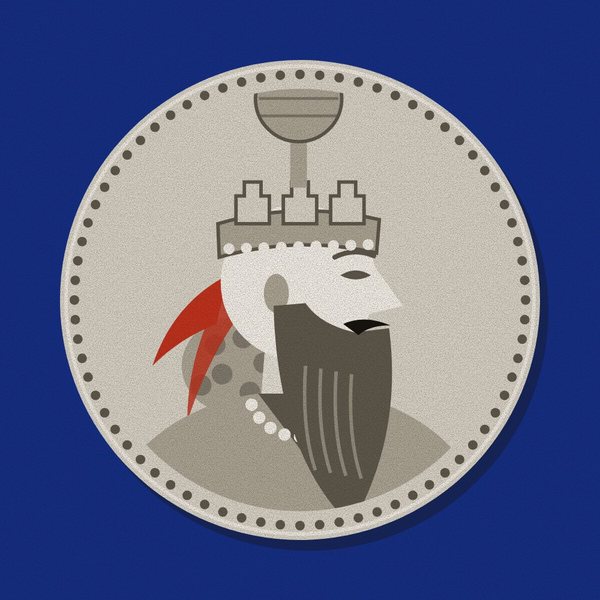
- Bahram IV
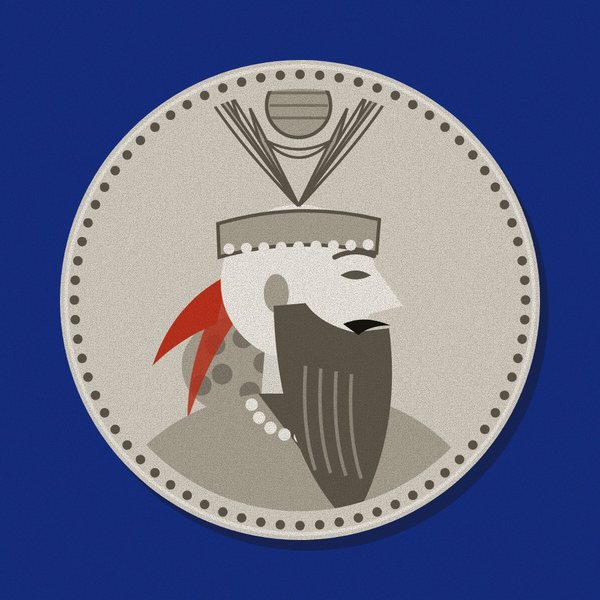
- Yazdegerd I
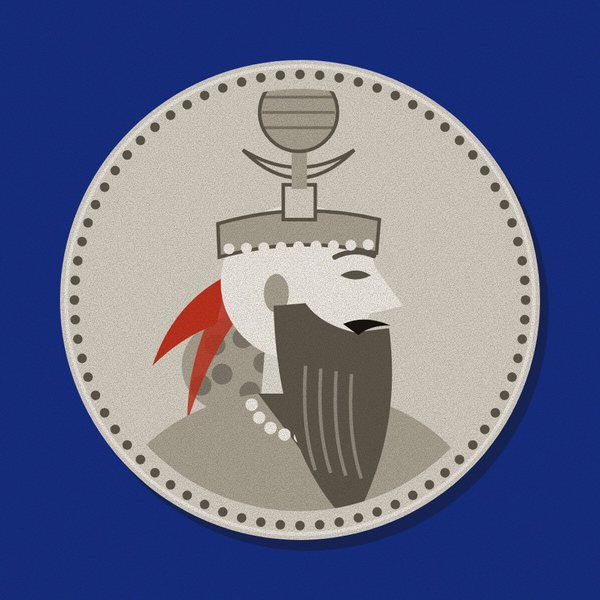
- Shapur IV
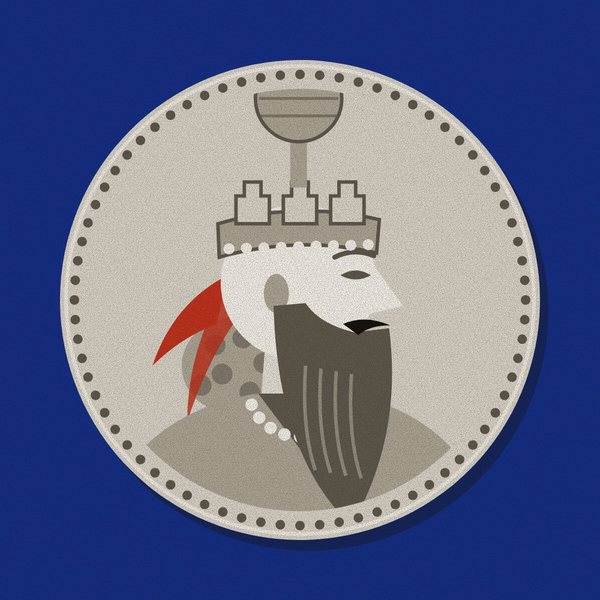
- Khosrow (420)
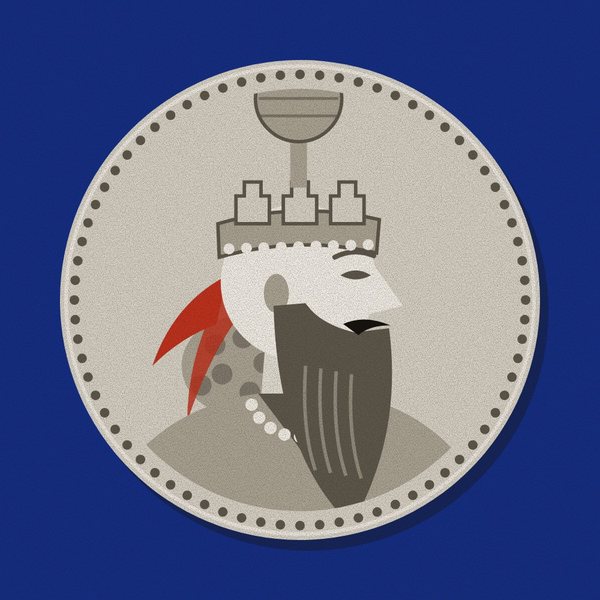
- Bahram V (Bahram Gur)
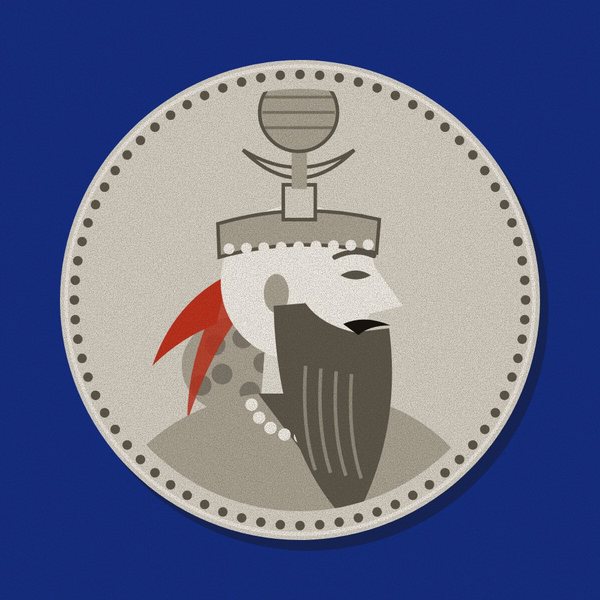
- Yazdegerd II
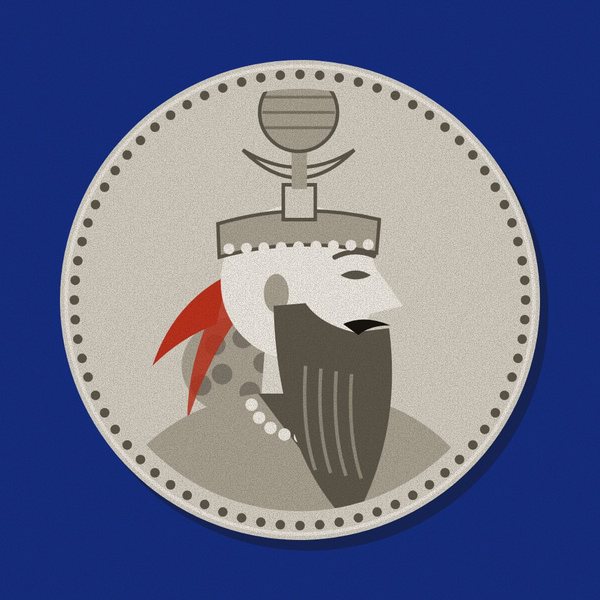
- Hormizd III
- Peroz I
- Balash
- Kavad I
- Jamasp
- Khosrow I (Anushirvan)
- Hormizd IV
- Bahram VI (Bahram Chobin)
- Khosrow II (Parviz)
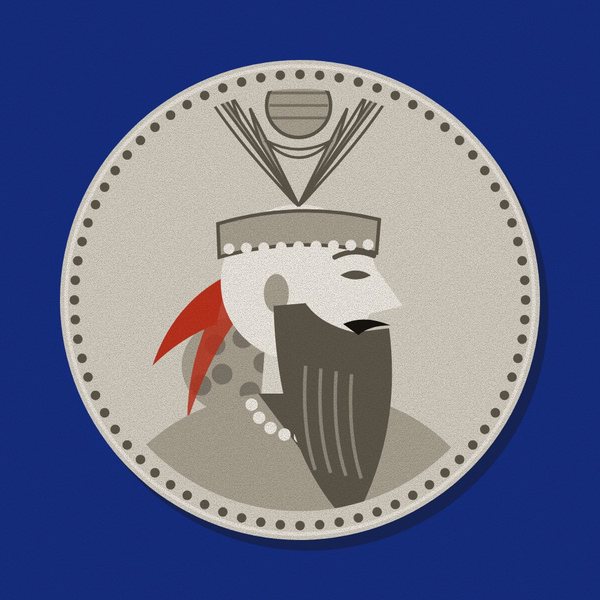
- Kavad II (Shiroe)
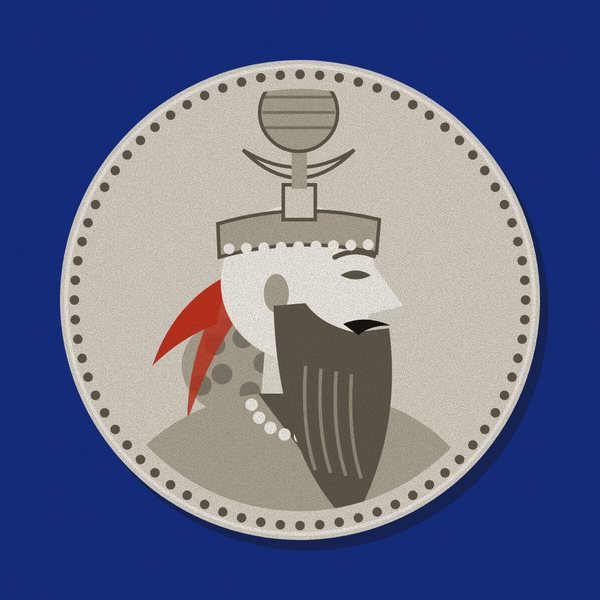
- Ardashir III
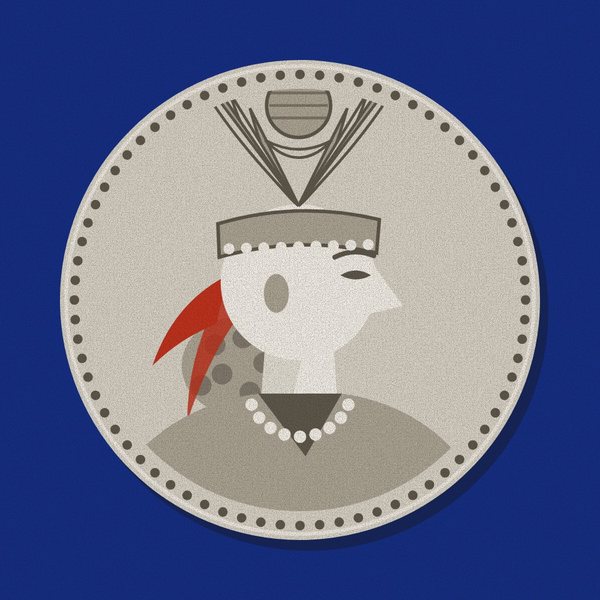
- Shahrbaraz
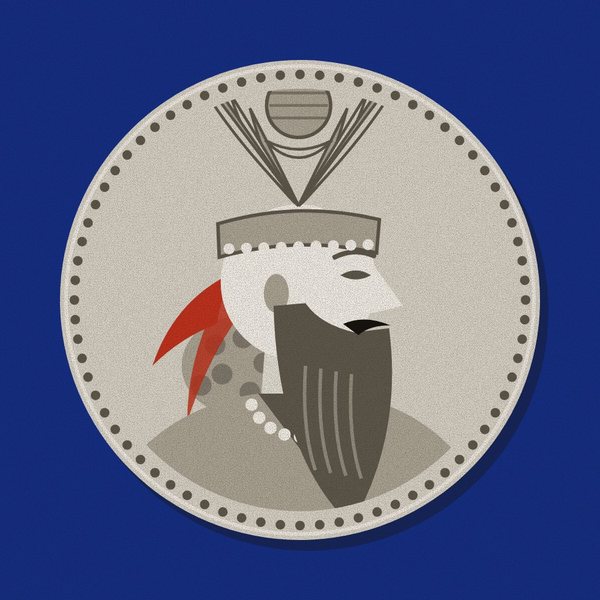
- Boran
- Shapur V (Shapur-i Shahrvaraz)
- Peroz II
- Azarmidokht
- Hormizd VI
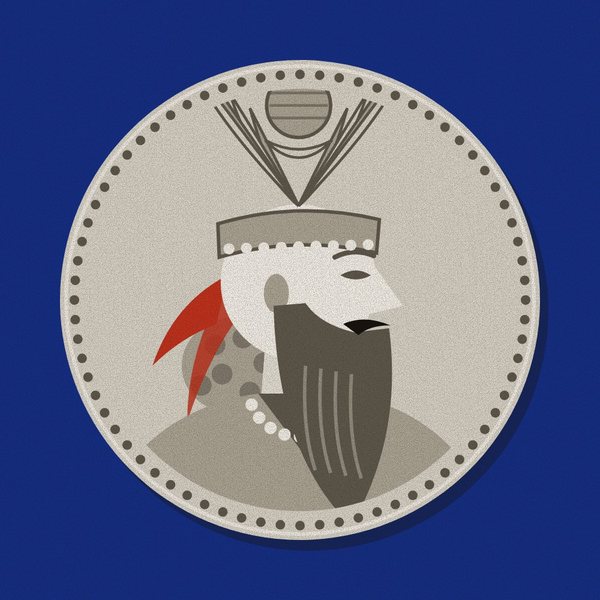
- Khosrow III
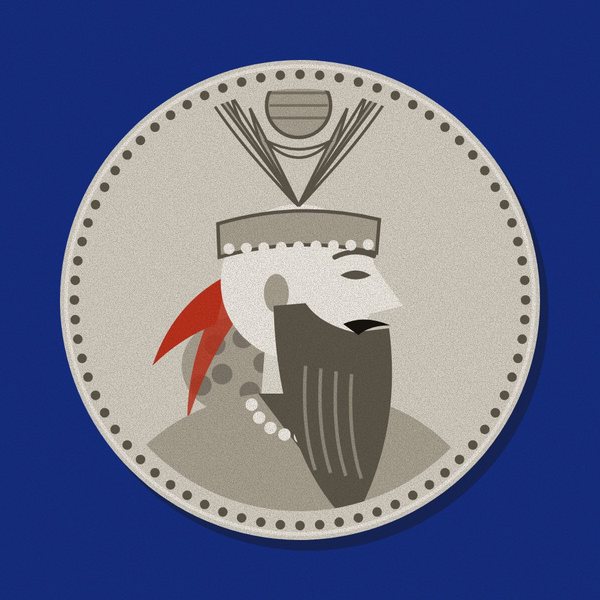
- Farrukhzad Khosrow (Khosrow V)
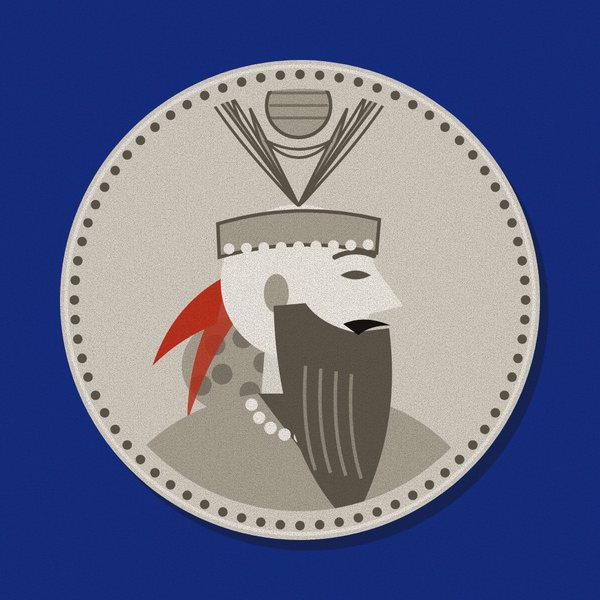
- Yazdegerd III
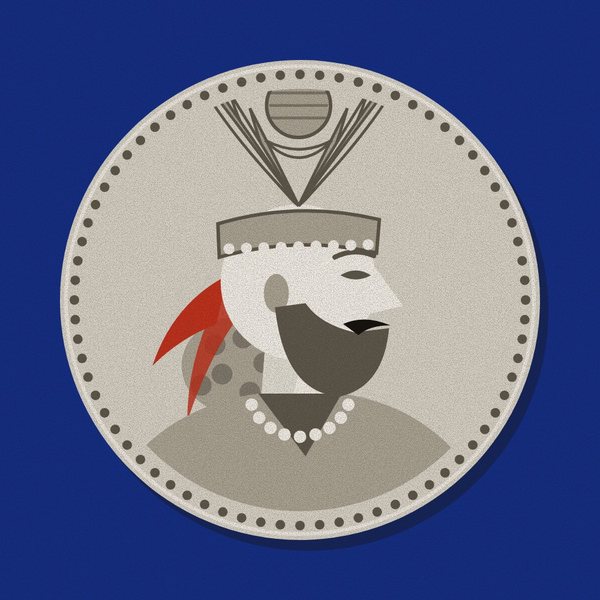
The Safavids
صفویانThe Safavids grew from a Sufi order based in Ardabil into the dynasty that reunited Iran in 1501 and made Twelver Shia Islam the religion of the state. Under Abbas I, Isfahan became one of the great capitals of the early modern world.
The Afsharids
افشاریانNader, a commander of the Turkic Afshar tribe, restored Iranian power after the fall of Isfahan and crowned himself shah in 1736. After his assassination in 1747 his successors held little more than Khorasan, where his grandson Shahrokh reigned until 1796.
The Zands
زندیانThe Zands, a Lak tribe of the Zagros, ruled most of Iran from Shiraz under Karim Khan, who governed as Vakil (regent or deputy) rather than as shah. After his death in 1779 a series of family disputes ended with the defeat of Lotf Ali Khan by the Qajars in 1794.
The Qajars
قاجاریانThe Qajars, a Turkic tribe from the Astarabad region, united Iran under Agha Mohammad Khan and ruled from Tehran until 1925. Their era saw wars with Russia, the arrival of photography and the press, and the Constitutional Revolution of 1905-1911.
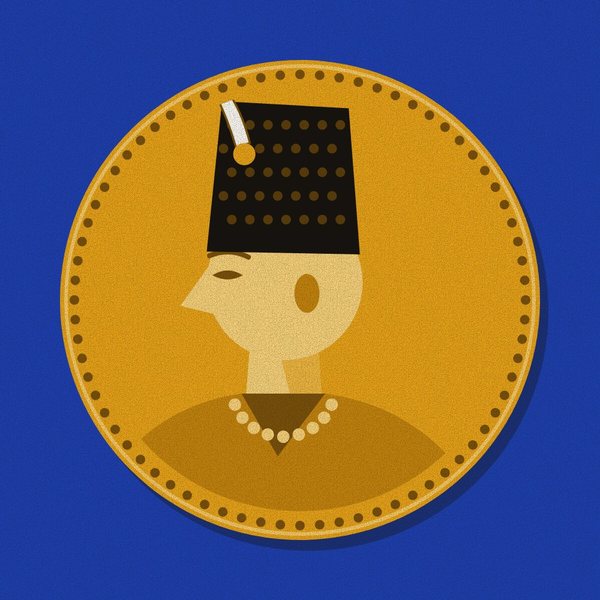
The Pahlavis
پهلویReza Khan, an army officer, became shah in 1925 and founded the Pahlavi dynasty, which pursued rapid centralisation and modernisation. His son Mohammad Reza Shah Pahlavi reigned from 1941 until the 1979 revolution.