Chak Chak (Pir-e Sabz)
چکچک (پیر سبز)The most sacred Zoroastrian mountain shrine, in a desert cliff
Chak Chak, also called Pir-e Sabz, “the green elder”, is a Zoroastrian shrine set into a cliff in the desert mountains of Ardakan County, north of Yazd. It is the most sacred of the mountain shrines of Iran's Zoroastrians. The name chak chak is usually explained as the sound of water dripping from the rock inside the grotto, a rare sound in this dry country.
The shrine is a cave in the cliff face, reached by a long flight of steps from the buildings below. Inside, water seeps from the rock, and a fire is kept burning. The moisture supports a small patch of green on the mountainside, with an old tree growing from the rock, and from the terrace pilgrims look out over a wide, bare valley.
A tradition held by many Zoroastrians tells that Nikbanu, a daughter of Yazdegerd III, the last Sasanian king, fled here from the Arab armies in the seventh century. Cornered and exhausted, she prayed to Ahura Mazda, and the mountain opened to shelter her. The dripping water is said to be the mountain's tears for her. This is a story of faith rather than recorded history, but it gives the place its tenderness.
Each year from 14 to 18 June thousands of Zoroastrians from Iran, India and the diaspora come on pilgrimage. Many stay in guesthouses built by the Zoroastrian community, and by custom pilgrims walk the last stretch once they see the shrine. The days are filled with prayer, readings from the Avesta, shared meals and music. Outside the pilgrimage season the shrine is quiet, and visitors are welcome if they respect it as a place of worship.
More in Yazdیزد
Dowlat Abad Garden
Home to one of the tallest windcatchers in Iran
Yazd Atash Behram
The fire temple of Yazd
Jameh Mosque of Yazd
A tiled portal and twin minarets rising over the old city
Nayband
A terraced oasis village alone in the desert south of Tabas
Stories from the regionداستانها
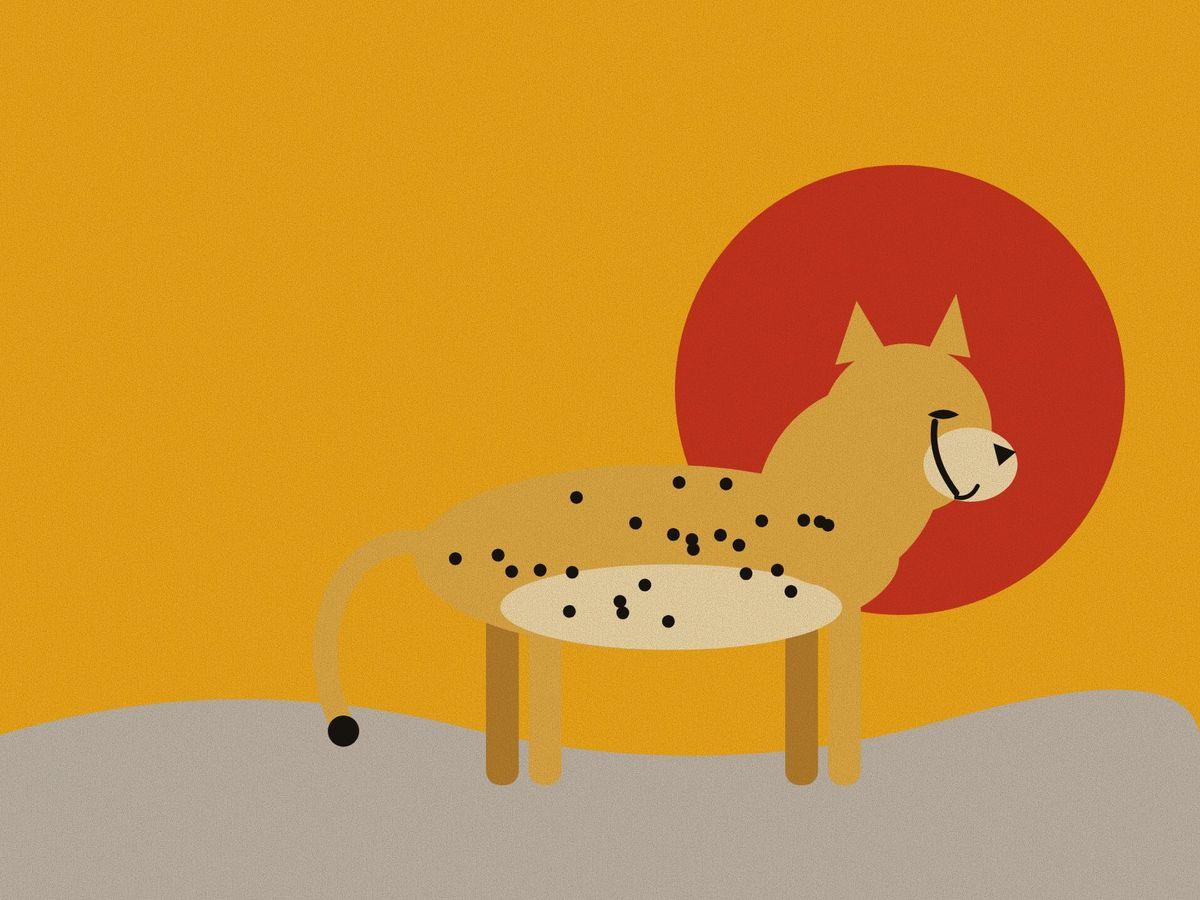
The Asiatic cheetah
Once a hunting companion of kings, now the last of its line: the Asiatic cheetah survives in the wild only in Iran, and only a few dozen are thought to remain.

Zoroastrianism
Good thoughts, good words, good deeds: the faith of Zarathushtra, kept by its followers in Yazd, Kerman, Tehran, Mumbai and far beyond.

Ahura Mazda and Ahriman
The Wise Lord and the Hostile Spirit: the oldest Iranian account of a world in which every person takes a side, and the moral heart of a faith still practised today.