Now reading: Homeland
Persiahaus

Greater Iran · Afghanistan

Herat

هرات

Capital: Herat

The pearl of Khorasan: Herat was the Timurid capital of painting, poetry and gardens.

Part of the wider Iranian world in our Atlas for its shared history, languages and customs; not a claim on any modern state or its identity. What we mean by Greater Iran

Milad TowerGolestan PalaceTreasury of National JewelsSoleymaniyeh PalacePearl Palace (Kakh-e Morvarid)Amir Kabir DamChalus RoadShrine of Fatima MasumehJamkaran MosqueNamak LakeFeyziyeh SchoolKhorhehJameh Mosque of SavehChal Nakhjir CaveMighan WetlandNaqsh-e Jahan SquareFin GardenJameh Mosque of IsfahanVank CathedralPersepolisNaqsh-e RostamNasir al-Mulk MosqueArg-e BamThe Lut desertGanjali Khan ComplexDowlat Abad GardenJameh Mosque of YazdChak Chak (Pir-e Sabz)NaybandTomb of FerdowsiTomb of Omar KhayyamRobat SharafMofakham Mirror HouseBelqeys CitadelAspakhu Fire TempleBesh QardashAkbarieh GardenFurg CitadelQanat of Baladeh, FerdowsGonbad-e QabusGreat Wall of GorganGolestan National ParkKhalid NabiMount DamavandAbbasabad GardenVeresk BridgeBadab-e SurtMasulehRudkhan CastleAnzali LagoonTomb of Sheikh Zahed GilaniSheikh Safi al-Din ShrineLake NeorArdabil BazaarTabriz BazaarBlue Mosque of TabrizSaint Stepanos MonasteryTakht-e SoleymanQara KelisaLake UrmiaTeppe HasanluDome of SoltaniyehKatale Khor CaveChehrabad Salt MineRakhtshuy Khaneh of ZanjanAlamut CastleJameh Mosque of QazvinKharraqan TowersSa'd al-Saltaneh CaravanseraiGanjnamehTomb of Esther and MordechaiAli Sadr CaveHegmataneh (Ecbatana)UramanKaraftu CaveLake ZarivarDar ol-Ehsan MosqueBisotunTemple of Anahita, KangavarTekyeh Moaven ol-MolkVali CastleSeymareh (Darreh Shahr) Ancient CityKabir KuhAli KoshFalak-ol-AflakLake GaharBisheh WaterfallPol-e KashkanChogha ZanbilSusaKul-e FarahZard KuhChoghakhor WetlandChaleshtar CastleGandoman WetlandMount DenaPersian GateSisakhtBelad ShapurSirafBushehr Old TownKharg IslandNayband Marine ParkHormuz IslandQeshm Island GeoparkLaftHindu Temple of Bandar AbbasShahr-e SukhtehMount TaftanDahan-e GholamanDasht-e KavirBayazid Bastami ComplexPir-e Alamdar TowerFriday Mosque of HeratMinaret of JamMusalla ComplexArch of BostLashkari BazarKajaki DamBlue MosqueNoh Gonbad MosqueBala Hissar of BalkhBabur's GardenDarul Aman PalaceNational Museum of AfghanistanBamiyan nichesShahr-e GholgholaMinarets of GhazniMausoleum of Ahmad Shah DurraniTomb of Mahmud of GhazniAncient PanjakentMausoleum of RudakiIskanderkulRegistanArk of BukharaSamanid MausoleumItchan Kala, KhivaKunya-UrgenchAyaz KalaAncient MervNisaGonur DepeMaiden TowerMausoleum of NezamiAteshgah of BakuErbil CitadelLalishAmediBolan PassMehrgarhHinglaj MataTaq KasraHatraAkdamar IslandWalls of DiyarbakırVan FortressGarni TempleEtchmiadzin CathedralBlue Mosque of YerevanNarikalaSvetitskhoveli CathedralUplistsikheNaryn-KalaJuma Mosque of DerbentGunibDargavsRekomMukhtarov MosqueQal'at al-BahrainDilmun Burial MoundsPearling PathKumzarKhasab CastleTelegraph Island

Point at a region or landmark; zoom out to wander to the neighbours.

The whole Atlas

Herat has been a city of eastern Khorasan since antiquity. Under the Timurids in the fifteenth century it was one of the great capitals of the Persianate world, the city of the painter Behzad, the poet Jami and the poet and minister Ali-Shir Nava'i.

Its Friday Mosque, rebuilt by the Ghurids and the Timurids, is still covered in tilework, and in the mountains of Ghor the twelfth-century Minaret of Jam rises about sixty-five metres above a remote river valley.

In the Shahnameh

  • HeratThe eastern city where Bahram Chubin met the army of Saveh Shah
The Shahnameh atlas →

Cities and towns

  • Heratهرات

    The Timurid city of painters and poets

  • Farahفراه

    An old town on the road to Sistan

  • Chaghcharanچغچران

    The centre of Ghor

Landmarksبناها و نشانه‌ها

  • Friday Mosque of Herat

    مسجد جامع هرات

    A great mosque of Ghurid and Timurid tilework

  • Minaret of Jam

    منار جام

    A twelfth-century minaret about sixty-five metres tall

  • Musalla Complex

    مصلای هرات

    The minarets and tomb that survive from Gawhar Shad's great Timurid complex

Herat through time

Iranian history

1040–1335

Seljuks, Mongols and Ilkhanidsسلجوقیان، مغولان و ایلخانان

Turkic and then Mongol conquerors took Iran in turn. The Seljuks built mosques and colleges; the Mongols brought catastrophe, then, as the Ilkhanids, became patrons of history-writing and art.

  • c. 1200 Ghiyath al-Din founds the Herat Friday Mosque
  • 1457 Death of Gawhar Shad; she is buried in her mausoleum at the Musalla
  • 1885 Most of the Musalla demolished to clear a field of fire
  • 2002 Minaret of Jam inscribed by UNESCO

Poets of Heratشاعران
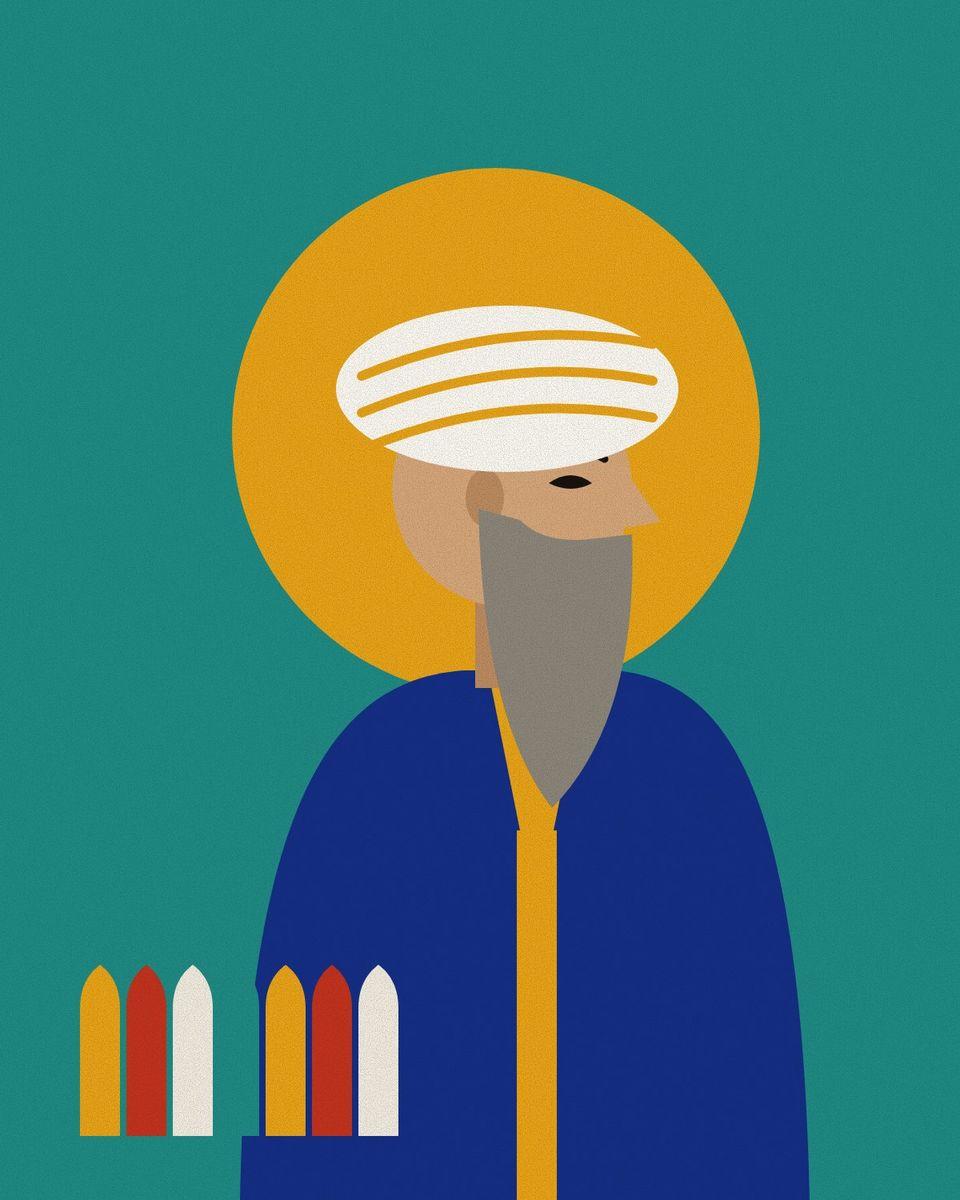
Stylised portrait of Jami with a long grey beard and a broad white turban, against a saffron halo on turquoise, with seven arches for the Seven Thrones.

Jami

جامی

1414–1492 · Jam and Herat

Sufi poet and scholar of Timurid Herat, author of Yusuf and Zulaykha and the Baharestan.

Known for: The Haft Awrang (Seven Thrones)

Nadia Anjuman

نادیا انجمن

1980–2005 · Herat

A young poet of Herat whose one book, of ghazals written under and after the Taliban, made her a symbol of Afghan women's writing.

Known for: Gul-e Dudi (Dark Red Flower), 2005

Stories from hereداستان‌ها

Deserts · folk tales

Ghul of the desert

The desert shape-shifter who calls travellers by name and leads them astray, a fear as old as the caravan routes across the salt plains.

A korsi covered with a red quilt on the longest night, set with a cut watermelon, pomegranates whole and halved, a bowl of nuts and dried fruit, a candle and an open book, under a deep blue arc of sky full of stars with a thin crescent moon.

30 Azar · the winter solstice

Shab-e Yalda

The longest night of the year. Families gather at the home of their eldest, eat pomegranates, watermelon and ajil, read Hafez and the Shahnameh, and stay up together until the dark has turned.

1370–1507

The Timurids

Timur's campaigns were brutal, but his heirs made Samarkand and Herat capitals of Persian painting, poetry, astronomy and architecture.
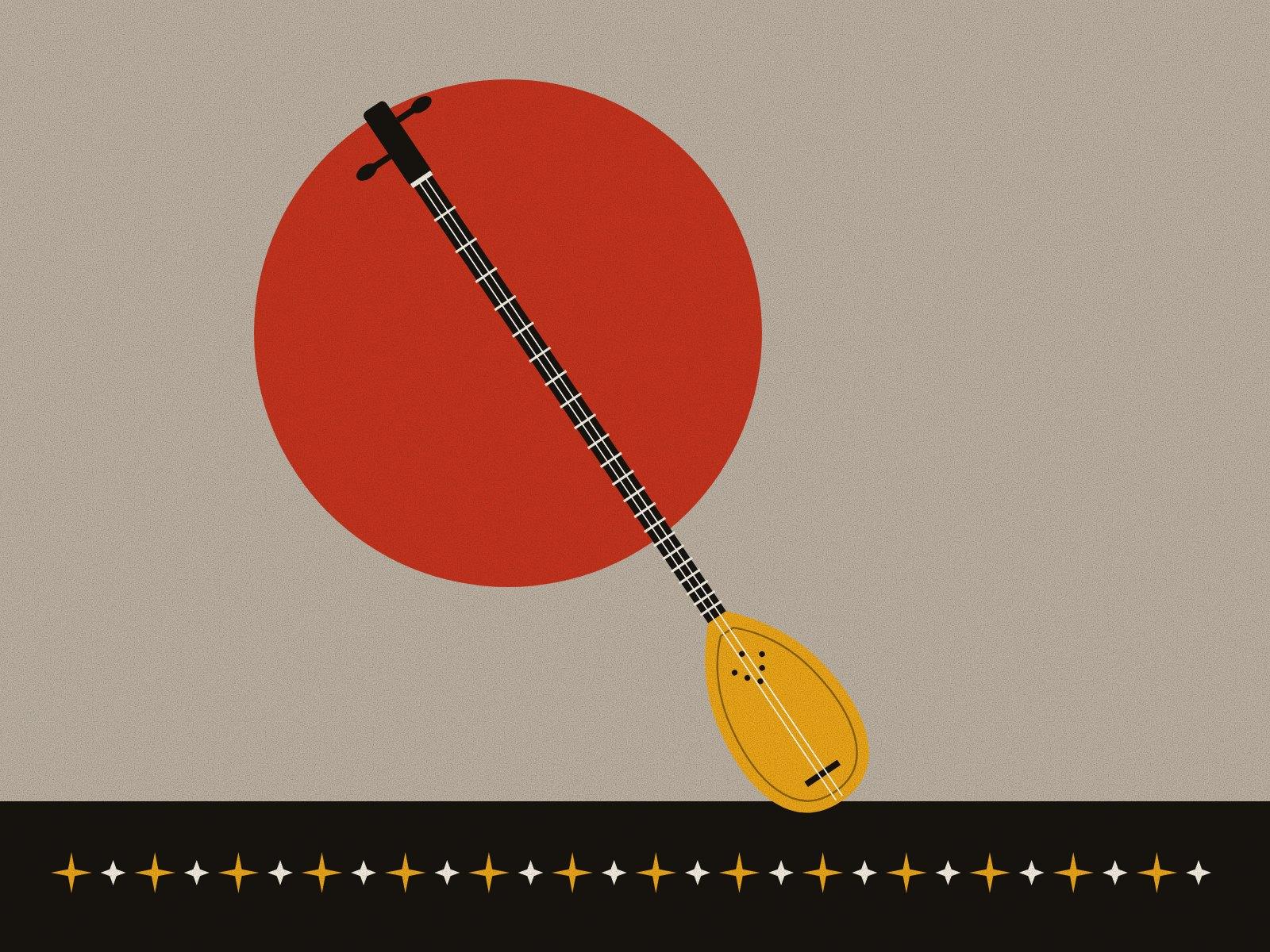
A two-stringed Khorasani dotar with a long pear-shaped saffron body and tied frets, angled across a red halo on clay above a black ground set with small stars

Epic, love and the two-stringed dotar

The bakhshis of Khorasan

In northern Khorasan, singers called *bakhshi* tell epics and love stories to the two-stringed dotar, in Kurdish, Turkic, Turkmen and Persian. Their music was inscribed by UNESCO in 2010.
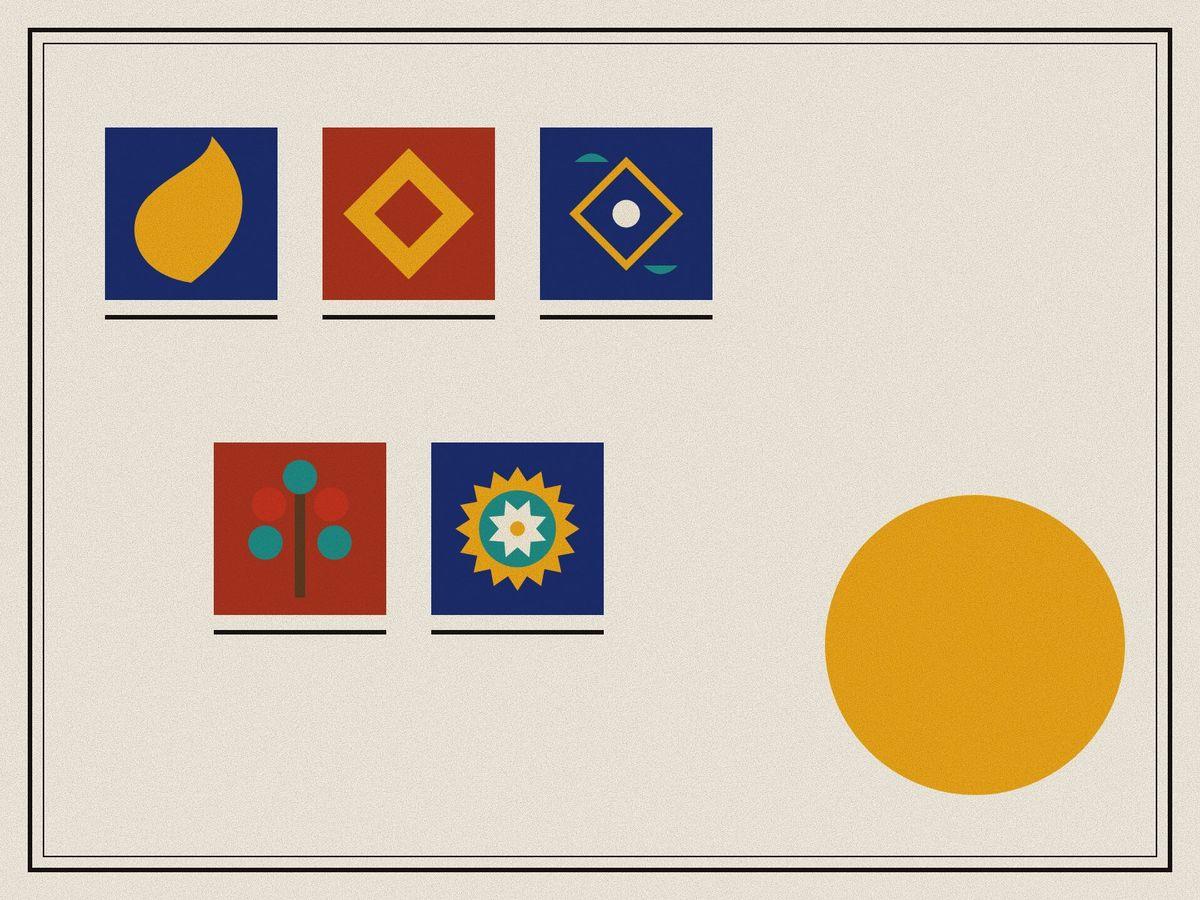
A sampler of five carpet motifs on red and indigo squares: the boteh, the gul, the herati, the tree of life and the medallion, beside a saffron sun, inside a ruled frame.

Boteh, herati, shah abbasi, toranj and mihrab

Reading the motifs

A handful of motifs recur across Persian rugs. Knowing their names makes a rug easier to read; it does not turn them into a code.