Saint Stepanos Monastery
کلیسای سنت استپانوسAn Armenian monastery in the gorge of the Aras near Jolfa
Saint Stepanos is an Armenian monastery set in a narrow green valley above the gorge of the Aras river, about fifteen kilometres west of Jolfa in East Azerbaijan. On the far bank of the river lies the Nakhchivan exclave of the Republic of Azerbaijan, and the monastery’s domed church rises from the trees with the bare red mountains of the border all around it.
The monastery is dedicated to Saint Stephen, the first Christian martyr, and Armenian tradition gives it a very early foundation. The buildings seen today, however, largely date from rebuilding in the sixteenth and seventeenth centuries, after earlier damage. For long periods it was a centre of learning and manuscript painting for the Armenians of the region.
The church is built of finely cut stone in the traditional Armenian form, a cross plan crowned by a tall drum and pointed conical dome. Its walls are carved with crosses, saints, angels and bands of interlaced ornament, and the high bell tower and fortified enclosure walls give the whole monastery the look of a small citadel. Inside, there are remains of painted decoration.
In 2008 UNESCO inscribed Saint Stepanos, together with the monastery of Saint Thaddeus (Qara Kelisa) and the chapel of Dzordzor, as the Armenian Monastic Ensembles of Iran, recognising them as witnesses to Armenian culture and its exchanges with Persian and other traditions. It remains a place of Armenian pilgrimage and is one of the most beautiful Christian sites in the country.
Saint Stepanos Monastery through time
Iranian historyThe Pahlavi century and afterدوران پهلوی و پس از آن
Two Pahlavi shahs built railways, universities and a centralised state, while poets, novelists and film-makers created a new Persian culture. The era ended with the revolution of 1979.
- Inscribed by UNESCO among the Armenian Monastic Ensembles of Iran
More in East Azerbaijanآذربایجان شرقی
Tabriz Bazaar
One of the largest covered bazaars in the world
Kandovan
Houses carved into volcanic cones
Blue Mosque of Tabriz
A Qara Qoyunlu mosque famous for its deep blue tile mosaic
Stories from the regionداستانها
Azerbaijanis
Iran’s Azerbaijanis, who often call themselves *Türk*, speak a Turkic language in a land named after an Iranian satrap. North of the Aras, the Republic of Azerbaijan is a separate nation that defines itself.
Mazdakism
Under King Kavad I, a priest called Mazdak preached that goods should be shared and the world made just. His movement was crushed, but its memory lasted for centuries.
Tar
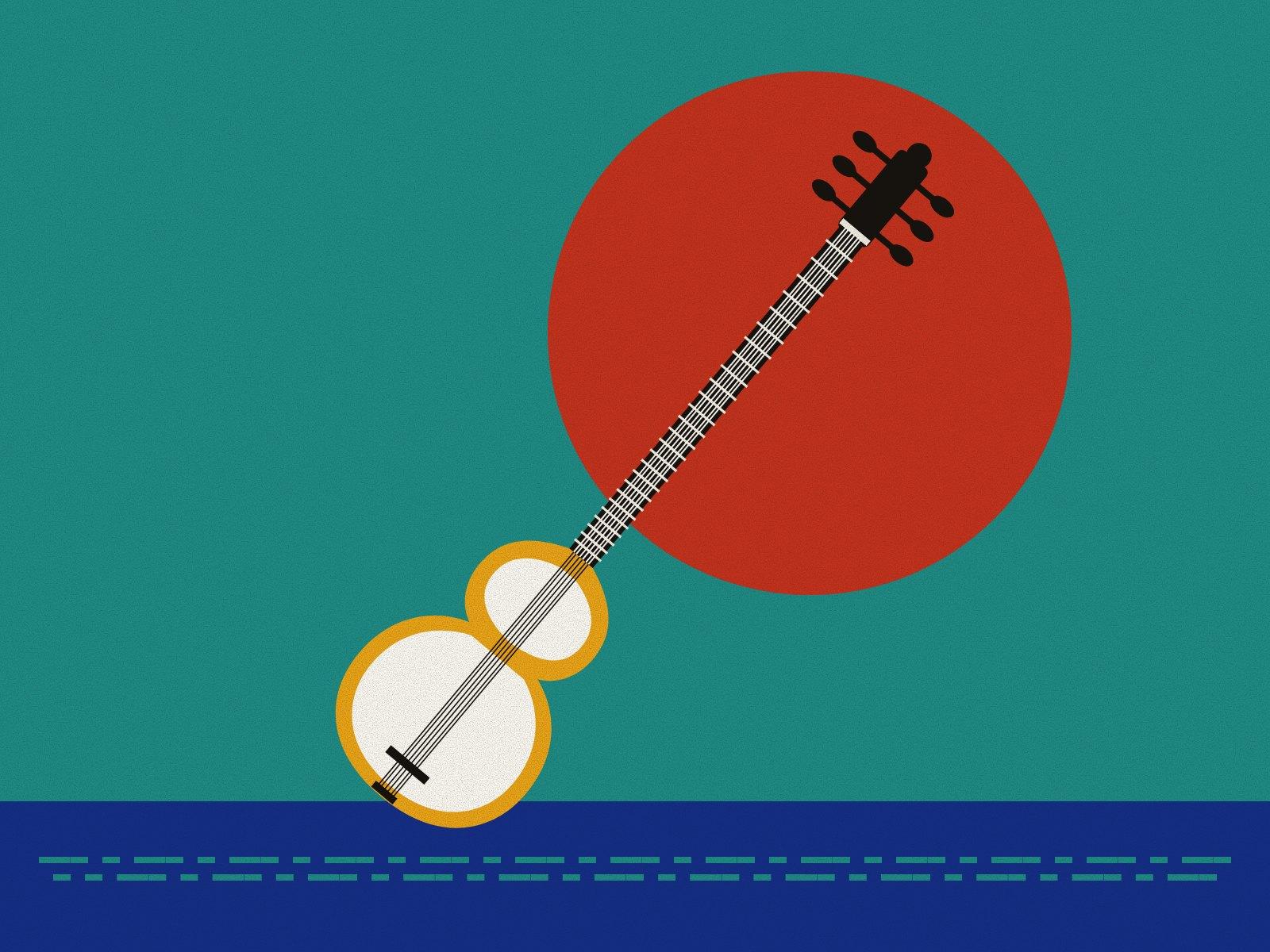
With its double-bowled mulberry body and skin face, the tar was the instrument on which the radif itself was codified. In the Caucasus a related tar has grown into a tradition of its own.