Pir-e Alamdar Tower
برج پیر علمدارAn early brick tomb tower in Damghan, dated 1026–27
Pir-e Alamdar is a round brick tomb tower in the old town of Damghan, a few steps from the city’s Friday mosque. A band of brick inscription in Kufic script near the top dates it to the year 417 of the Islamic calendar, 1026–27 CE, making it one of the oldest dated tomb towers in Iran. It belongs to the same family of monuments as the great tower of Gonbad-e Qabus, built about two decades earlier in the neighbouring province of Golestan.
According to the inscription, the tower was built by a man named Bakhtiyar as a tomb for his father, the governor Abu Ja’far Muhammad ibn Ibrahim. Readings of the inscription differ in some details, but all agree on the date. The name by which the tower is known today, “Pir-e Alamdar”, the “old standard-bearer”, comes from later local tradition.
The tower is a simple cylinder of fired brick under a dome, its surface enlivened by bricks set to form patterns, and its top encircled by the inscription in raised Kufic letters. Inside, remains of wall painting have been found, a rare survival from the eleventh century. Small as it is, it shows the moment when Iranian builders were learning to give monumental form to tombs, an experiment that would lead to the tall tomb towers of the Seljuk and Ilkhanid periods.
Together with the Tarikhaneh mosque and the Jameh mosque of Damghan, Pir-e Alamdar makes this small desert city a remarkable place to see the early centuries of Islamic architecture in Iran.
Pir-e Alamdar Tower through time
Iranian historyThe Arab conquest and the Persian revivalفتح اعراب و احیای زبان فارسی
Islam reached Iran with the Arab armies of the 7th century. Persian survived, took on a new script and, under dynasties such as the Samanids, returned as one of the great literary languages of the world.
- Tomb tower built, according to its inscription
More in Semnanسمنان
Dasht-e Kavir
The great salt desert of the central plateau
Tarikhaneh
One of the oldest surviving mosques in Iran
Bayazid Bastami Complex
The shrine of the Sufi Bayazid Bastami in the town of Bastam
Stories from the regionداستانها
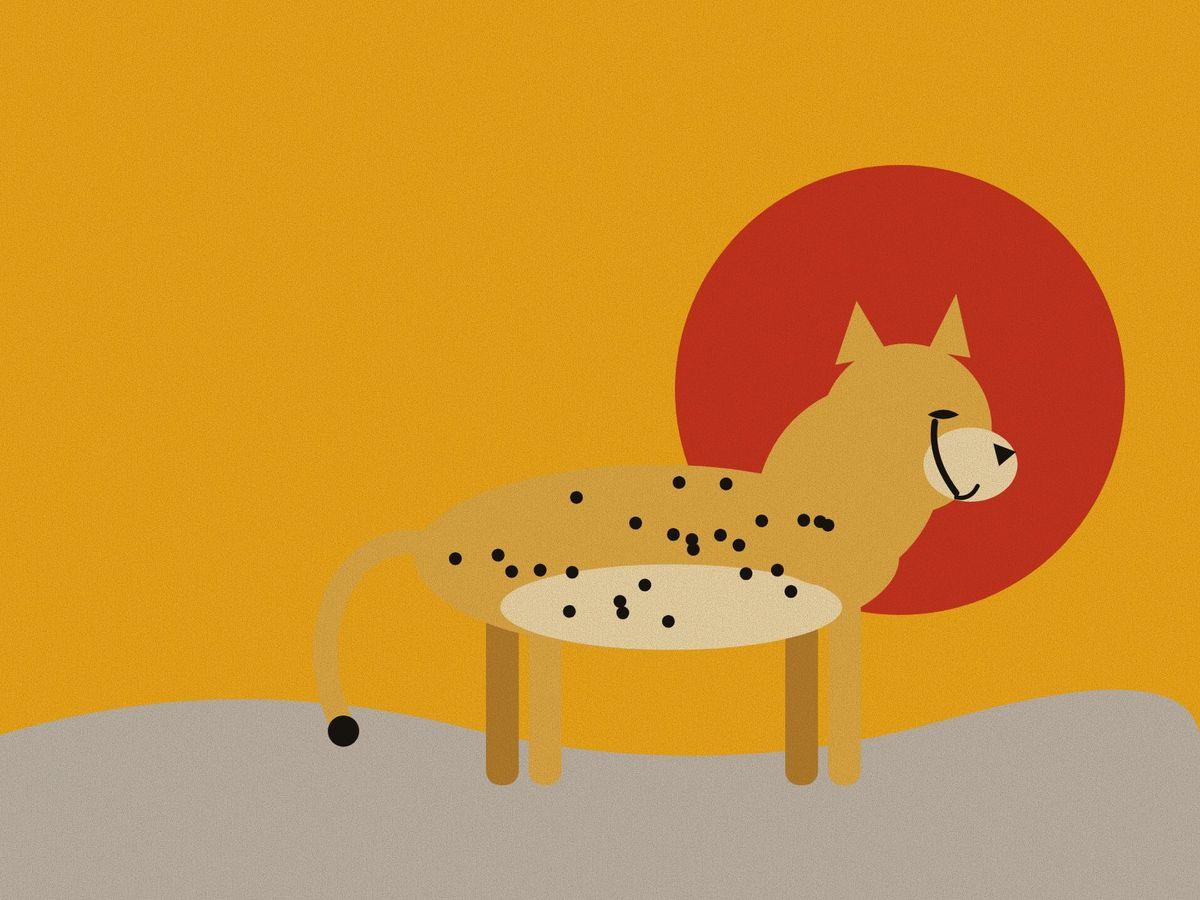
The Asiatic cheetah
Once a hunting companion of kings, now the last of its line: the Asiatic cheetah survives in the wild only in Iran, and only a few dozen are thought to remain.
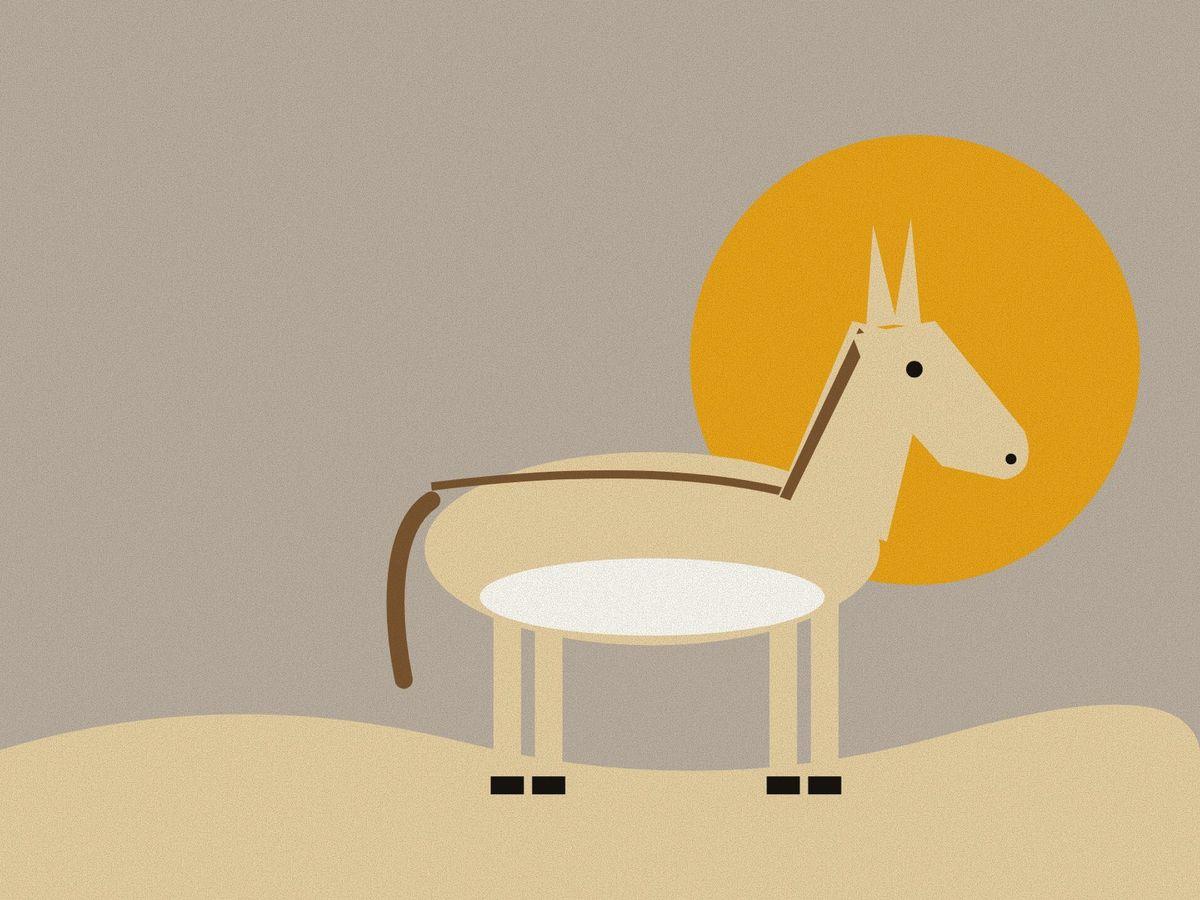
The Persian onager
The wild ass of the plateau gave its name, gur, to the most famous royal hunter in Persian legend, and a pun on that name to Khayyam.
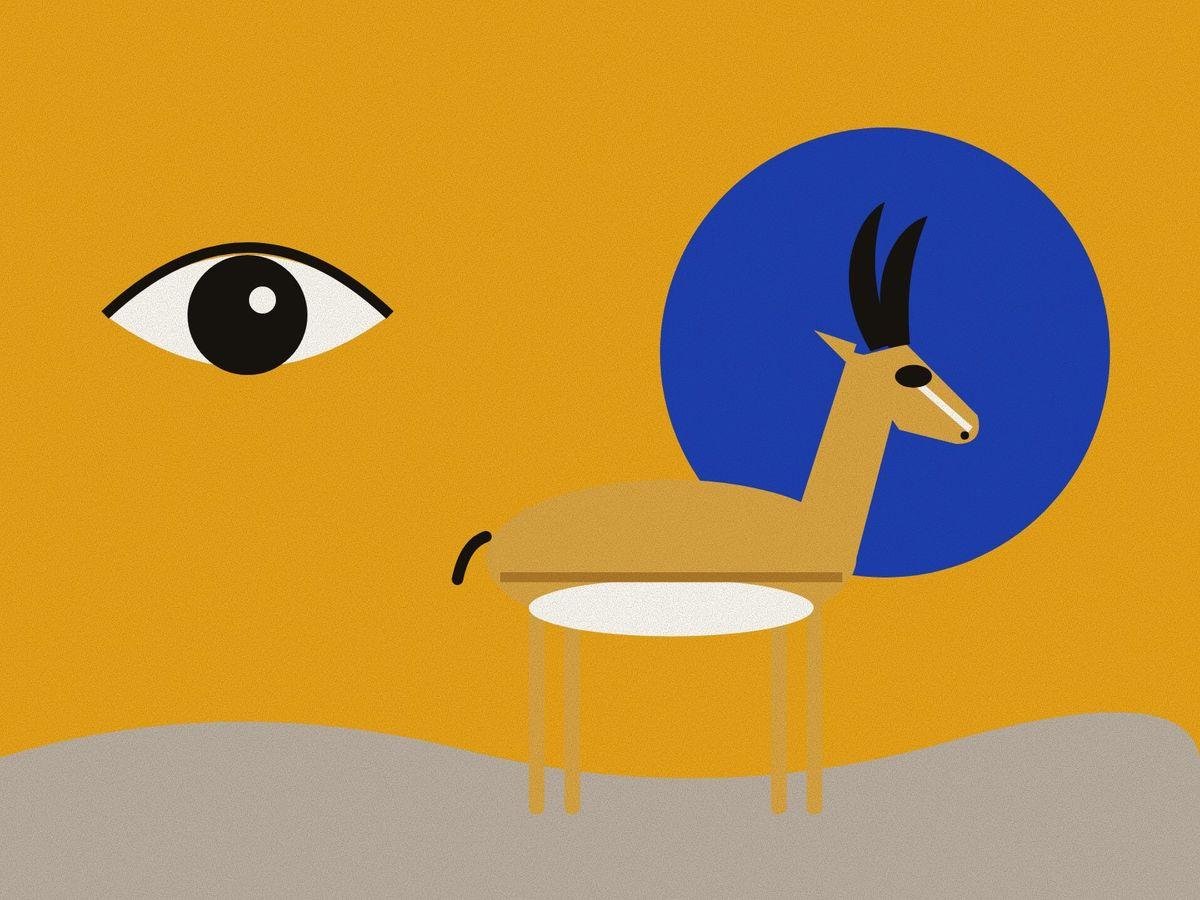
The goitered gazelle
A small, fast desert gazelle, and in Persian poetry the shape of the beloved's eye and the image of a love that will not be caught.