Veresk Bridge
پل ورسکA railway arch high above a gorge on the Trans-Iranian Railway
Veresk Bridge carries the Trans-Iranian Railway across a deep gorge in the Alborz mountains of Savadkuh, in southern Mazandaran. A single stone arch springs from cliff to cliff, about 110 metres above the valley floor, and the trains that cross it seem to float between the mountain walls. It is one of the most famous pieces of engineering in Iran, and one of the most loved images of the country’s modern history.
The railway, built under Reza Shah between 1927 and 1938, ran from the Caspian Sea to the Persian Gulf, climbing through the Alborz and the Zagros on a route of tunnels, spirals and bridges. The Danish consortium Kampsax managed much of the construction, working with engineers and labourers from many countries, and the bridge at Veresk is usually credited to the Austrian engineer Walter Aigner. It was completed in the mid-1930s. A well-known story holds that the engineer stood beneath the arch when the first train crossed, to show his faith in his work; it is told everywhere, though it is hard to confirm.
The bridge appeared on Iranian banknotes and stamps, and it is still in use today. Since 2021 it has formed part of the UNESCO World Heritage site of the Trans-Iranian Railway, inscribed as an outstanding achievement of early twentieth-century railway engineering.
Travellers can see the bridge from the road below or, best of all, ride the train across it on the line between Tehran and the Caspian, watching the gorge open suddenly beneath the carriage windows.
Veresk Bridge through time
Iranian historyThe Pahlavi century and afterدوران پهلوی و پس از آن
Two Pahlavi shahs built railways, universities and a centralised state, while poets, novelists and film-makers created a new Persian culture. The era ended with the revolution of 1979.
- Veresk Bridge completed
- Trans-Iranian Railway completed
- Railway inscribed as UNESCO World Heritage site
More in Mazandaranمازندران
Mount Damavand
The highest peak in Iran, about 5,610 metres
Abbasabad Garden
Shah Abbas's garden, dam and lake in the forests above Behshahr
Badab-e Surt
Orange and white travertine terraces built by mineral springs
Stories from the regionداستانها
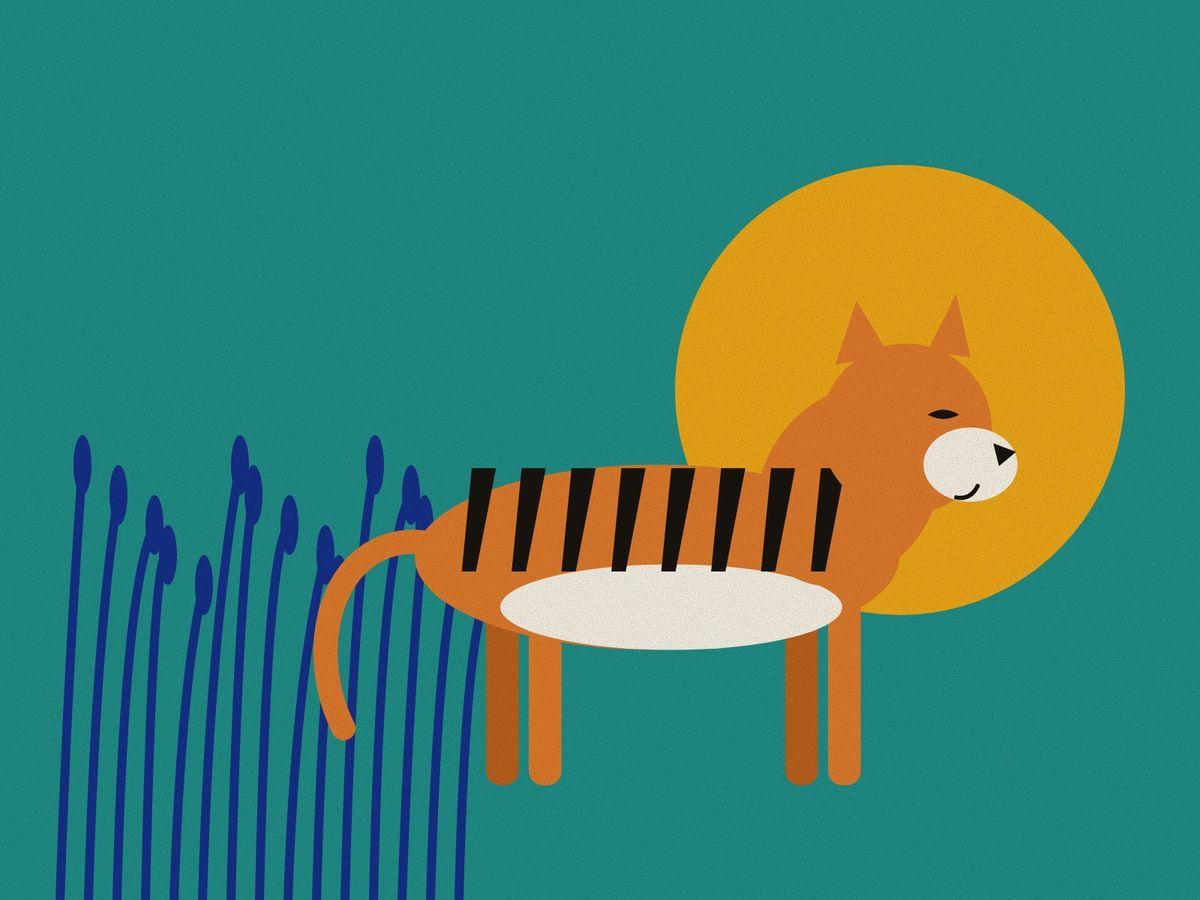
The Caspian tiger
The tiger of Mazandaran vanished from Iran in the mid-twentieth century. It lives on in a name, a hero's cloak and a genetic surprise.
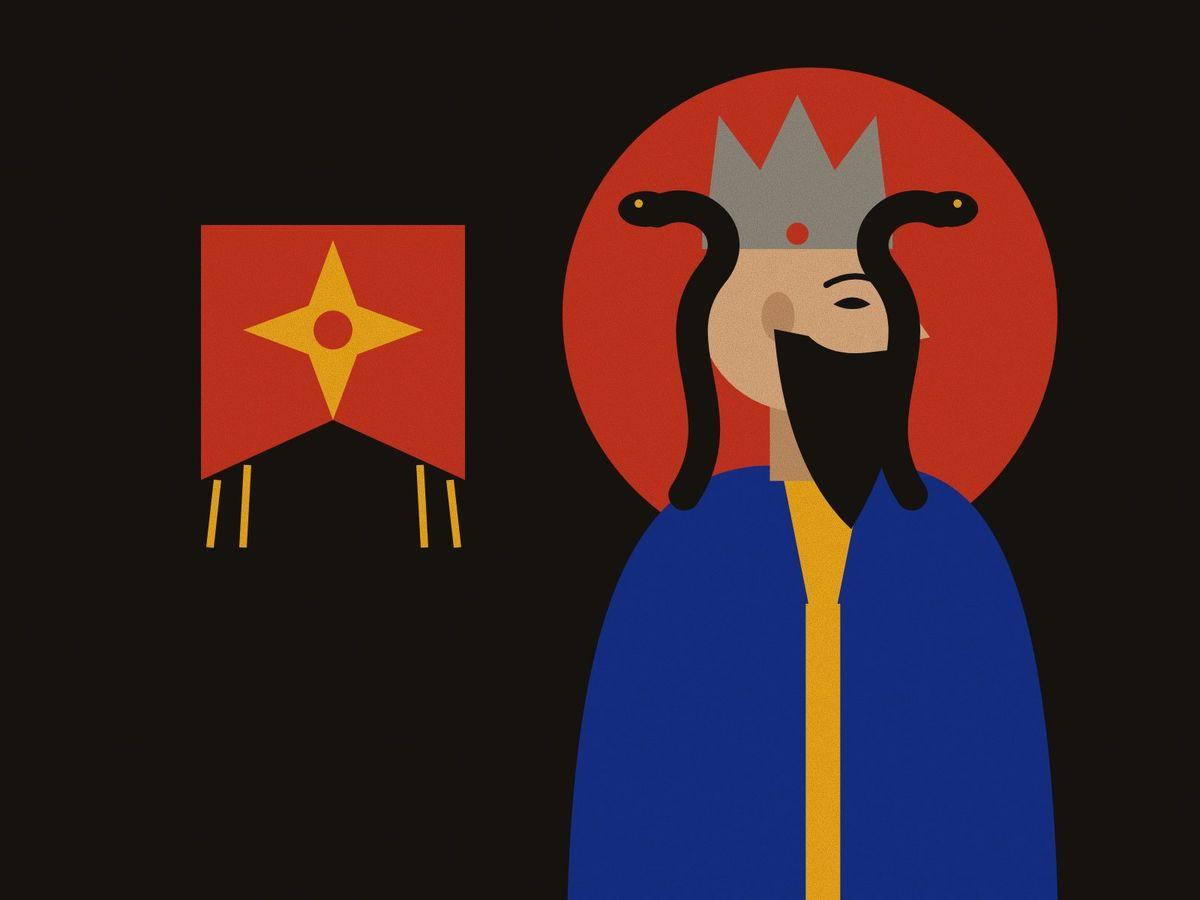
Zahhak and Kaveh the blacksmith
A king with serpents growing from his shoulders, and the blacksmith who raised his leather apron on a spear and brought him down.
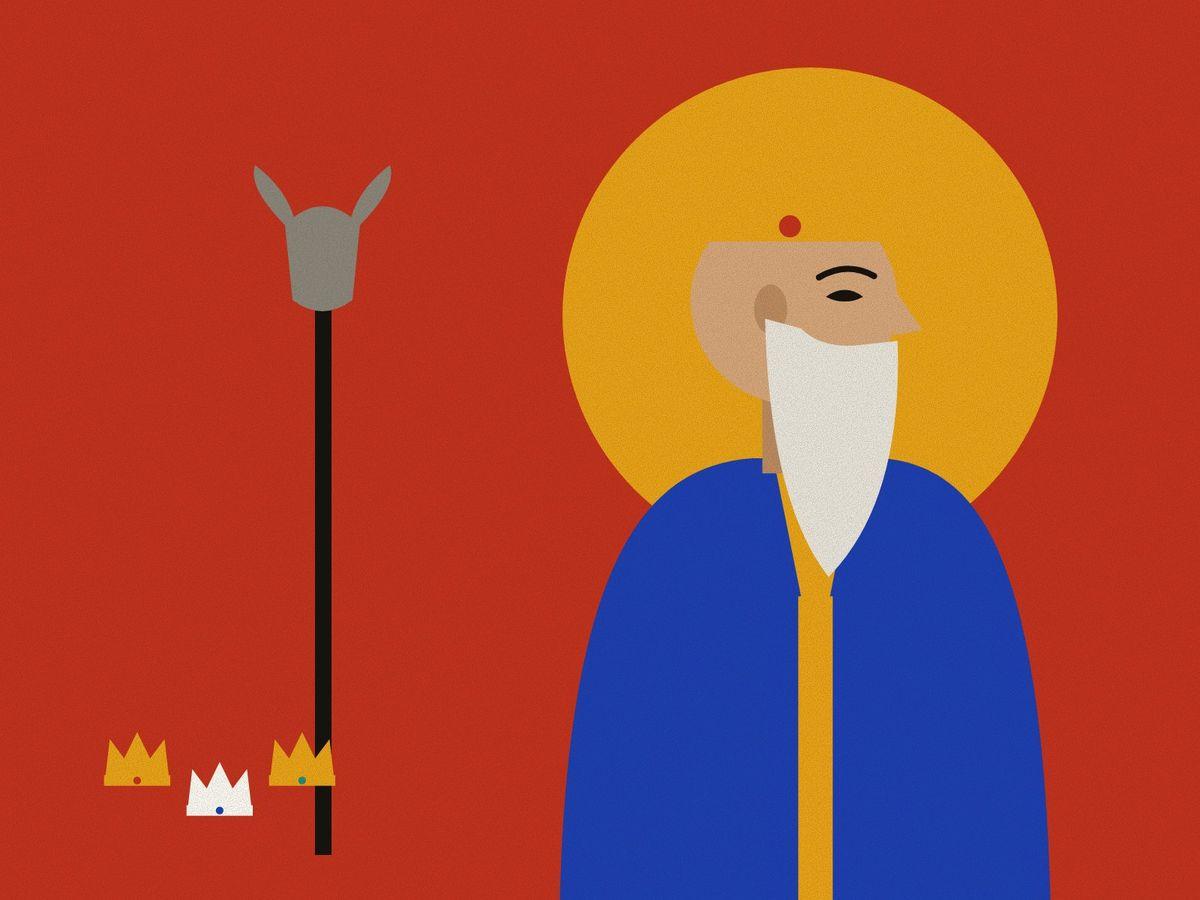
Fereydun and his three sons
The king who freed Iran from Zahhak divided the world between his sons, and in doing so, Ferdowsi says, began the long feud between Iran and Turan.