Nayband
نایبندA terraced oasis village alone in the desert south of Tabas
Nayband is a small village in the desert of Tabas County, in Yazd province, far from any other settlement. Its houses are stacked on a rocky slope in tiers, so that one family's roof is the next family's terrace, which has earned it the nickname “the Masuleh of the desert”, after the famous stepped village in the forests of Gilan. It is registered among Iran's national monuments.
The houses are simple cubes of stone and mud, with small openings against the heat and the wind, and watchtowers on the edge of the village recall a time when this remote oasis had to guard itself. Narrow lanes and stairs lead up through the village, and there is essentially one way in. Below lie palm groves and small fields, watered by springs, which make Nayband a green island in a pale landscape of rock and sand.
Nayband is home to a few hundred people, who live from date palms, gardening and livestock, and their numbers have fallen as younger people move to towns. The surrounding desert is protected as the Naybandan wildlife refuge, one of the last habitats of the critically endangered Asiatic cheetah, as well as gazelles and wild sheep.
Reaching Nayband takes a long drive across the desert from Tabas, and there are few facilities. Those who make the journey find a quiet, beautiful place, at its best in spring and autumn when the heat eases, and on clear nights the stars above it are extraordinary. Visitors should travel with a local guide or driver, carry water, and remember that this is a home as well as a sight.
More in Yazdیزد
Dowlat Abad Garden
Home to one of the tallest windcatchers in Iran
Yazd Atash Behram
The fire temple of Yazd
Jameh Mosque of Yazd
A tiled portal and twin minarets rising over the old city
Chak Chak (Pir-e Sabz)
The most sacred Zoroastrian mountain shrine, in a desert cliff
Stories from the regionداستانها
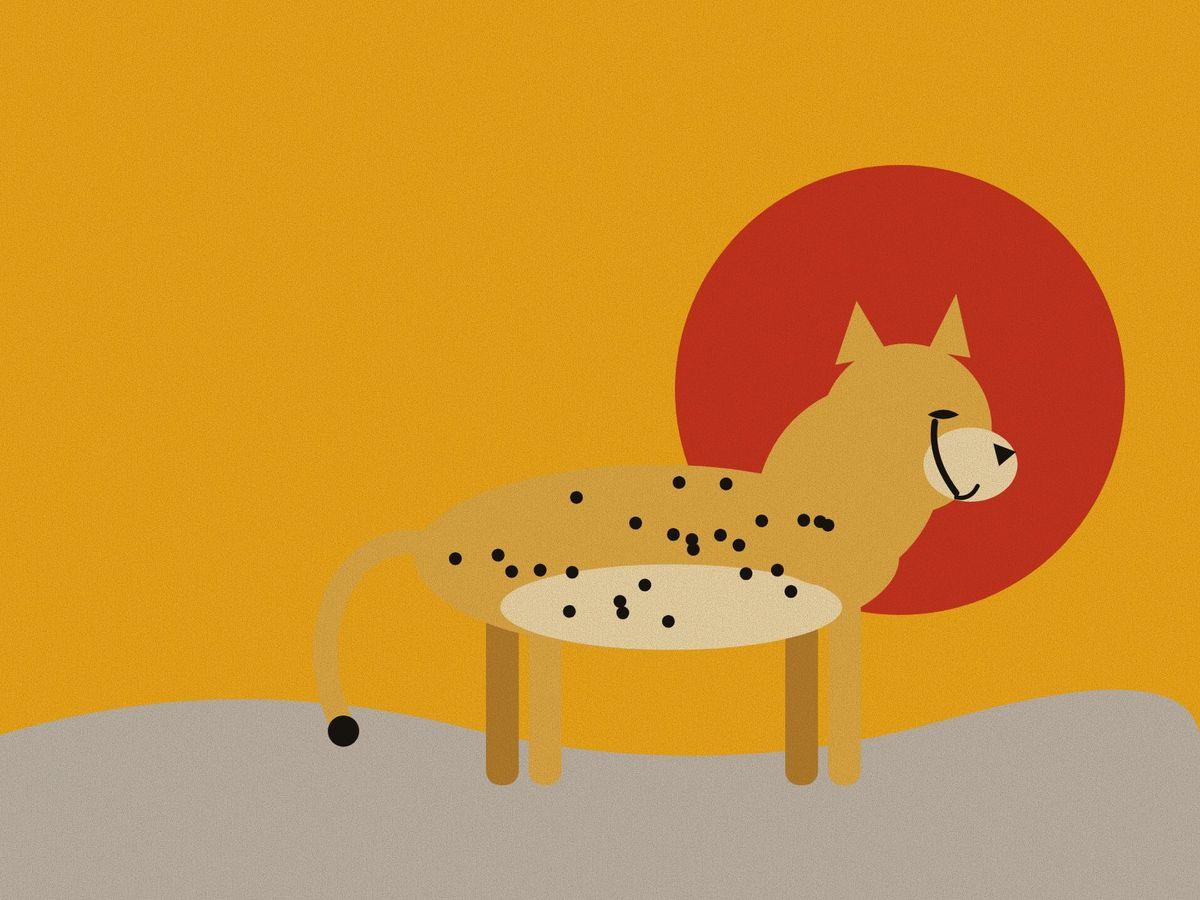
The Asiatic cheetah
Once a hunting companion of kings, now the last of its line: the Asiatic cheetah survives in the wild only in Iran, and only a few dozen are thought to remain.

Zoroastrianism
Good thoughts, good words, good deeds: the faith of Zarathushtra, kept by its followers in Yazd, Kerman, Tehran, Mumbai and far beyond.

Ahura Mazda and Ahriman
The Wise Lord and the Hostile Spirit: the oldest Iranian account of a world in which every person takes a side, and the moral heart of a faith still practised today.