The Shahnameh atlas · The heroic age
The Jayhun (Oxus)
جیحونThe great river between Iran and Turan; the point is near Termez
- A real place the poem names · Balkh in the Atlas
- Siyavash, Kay Khosrow, Giv, Farangis, Afrasiab
No line on the Shahnameh's map matters more than the Jayhun. On one side is Iran, on the other Turan, the realm of Afrasiab, and the heroic age is full of crossings. Siyavash, refusing his father's order to break a peace treaty, crosses into Turan and never comes back. Rostam and the Iranian armies cross it again and again in the wars of vengeance that follow. Afrasiab's raids come the other way.
The most famous crossing is Kay Khosrow's. The son of Siyavash, raised in hiding in Turan, is found by the hero Giv after seven years of searching. With his mother Farangis, the three of them flee for Iran with Afrasiab's men behind them. At the river the ferryman demands a price: Giv's armour, the black horse Behzad, Farangis herself or the young king's crown. Giv refuses. Kay Khosrow says that a rightful king need not fear water, and rides into the Jayhun. They swim across safely. The ferryman, watching, understands that this is a true king.
Kay Khosrow says that a rightful king need not fear water, and rides into the Jayhun.
The river today
The Amu Darya rises in the Pamirs and flows for about 2,500 kilometres to what remains of the Aral Sea. For much of its middle course it marks the border between Afghanistan and its northern neighbours, Tajikistan, Uzbekistan and Turkmenistan. The point here is on the river near Termez, across from the Afghan province of Balkh. In Persian and Arabic, the lands beyond it were long called Mavara' al-Nahr, "what lies beyond the river": Transoxiana, Samarkand and Bukhara, where Persian literature itself was reborn.
In Mythologyاسطوره
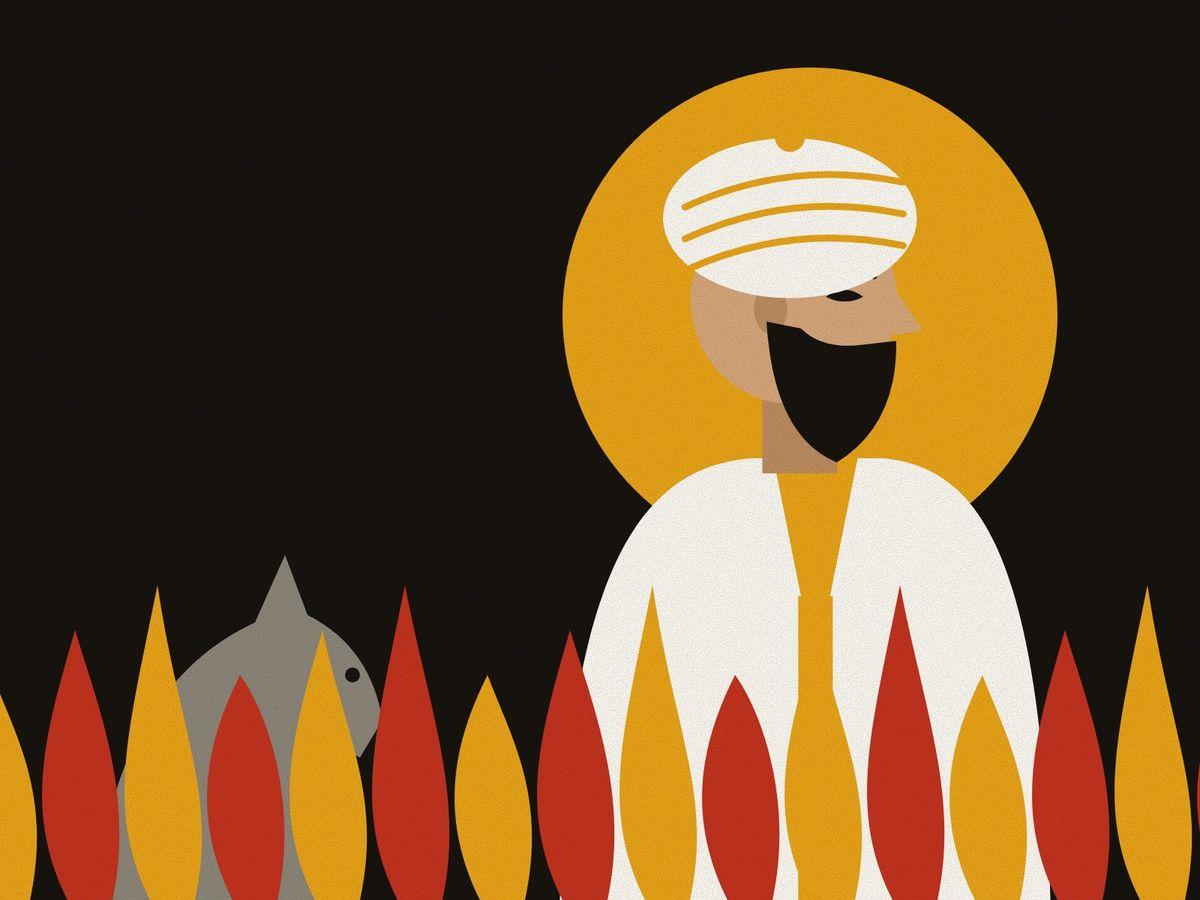
Siyavash and the trial by fire
The innocent prince who rode through fire to prove his honour, kept his word at the cost of his life, and was mourned for centuries in Central Asia.
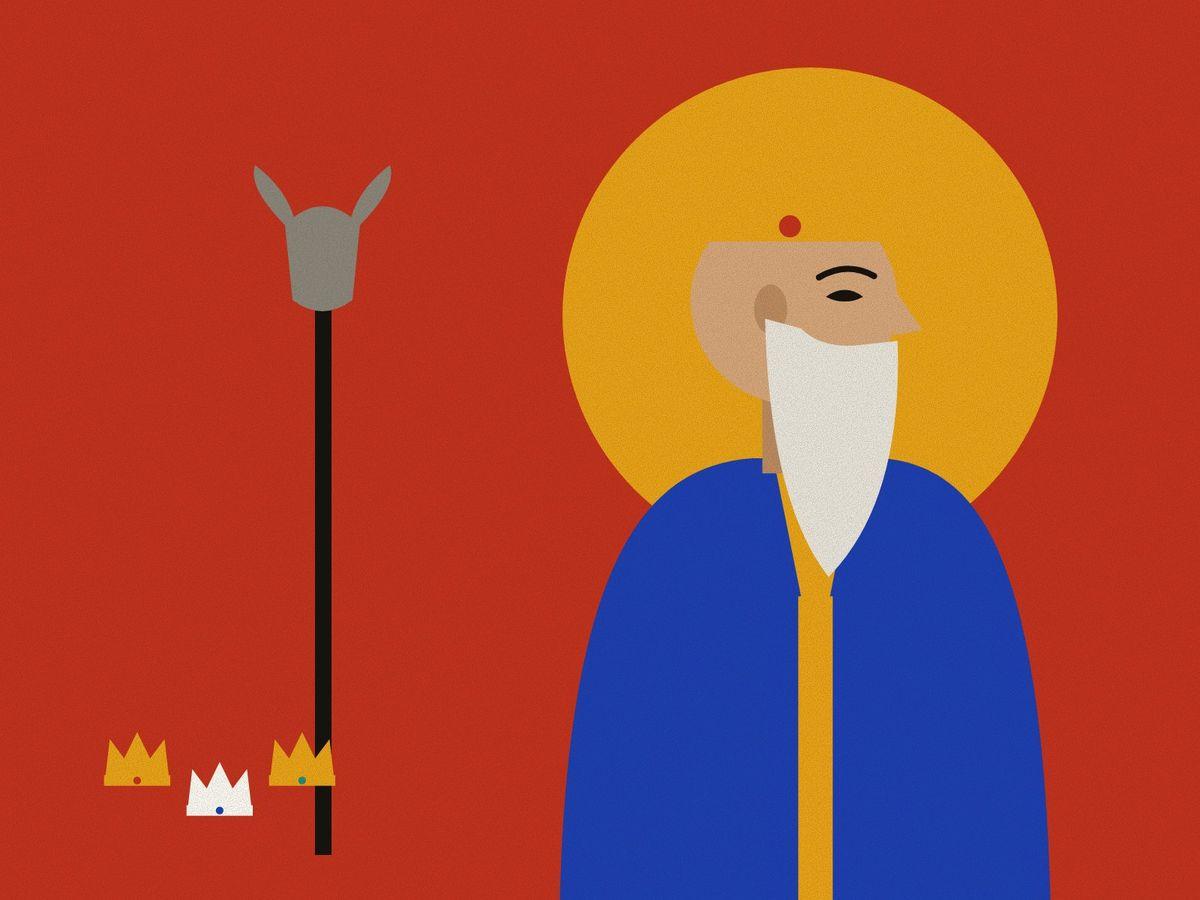
Fereydun and his three sons
The king who freed Iran from Zahhak divided the world between his sons, and in doing so, Ferdowsi says, began the long feud between Iran and Turan.
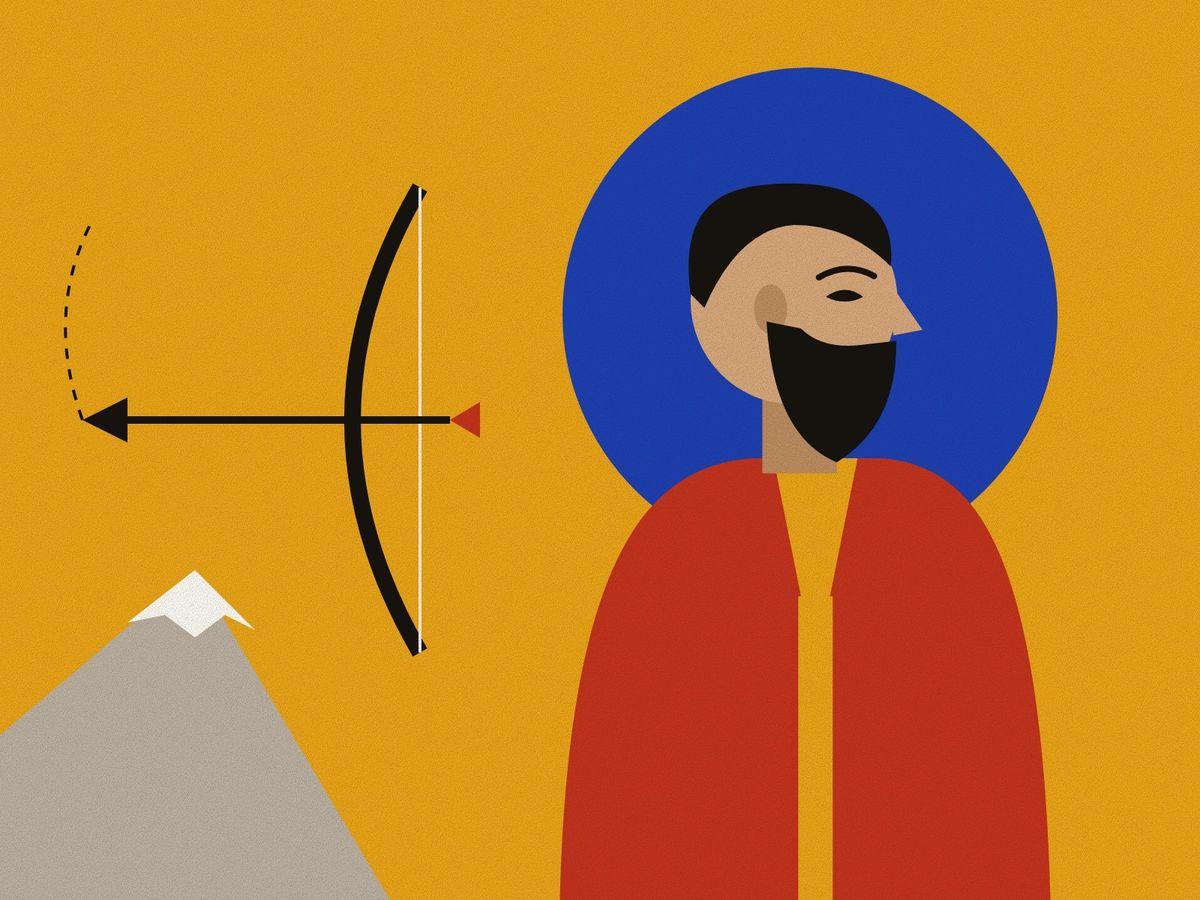
Arash the archer
To end a war, the border of Iran would be drawn wherever one arrow fell. Arash climbed a mountain and put everything he had into the shot.
More from the heroic ageشاهنامه
Mount Alborzالبرز کوه
On the heights of the Alborz the Simorgh raises Zal, the white-haired child his father abandoned. The poem's Alborz is a mountain at the edge of the world, traditionally identified with the range north of Tehran.
Kabulکابل
Kabul frames the life of Rostam. His mother Rudabeh is a princess of Kabul, and it is in the hunting grounds of a later king of Kabul that Rostam is betrayed and killed.
Zabulistanزابلستان
Zabulistan is the realm of the house of Sam: the court where Zal rules, Rostam is raised, and Esfandiyar comes to put Rostam in chains. Tradition places it in Sistan, around today's Zabol.
Kuh-e Khwajaکوه خواجه
A flat-topped black hill rising from the Hamun wetlands, crowned with the ruins of a Parthian and Sasanian palace that local people call Rostam's castle. It is the closest thing Rostam has to a home on the map.