Arran and Shirvan
اران و شروانThe Caucasian lands of Nezami of Ganja and of the Shirvanshahs, today the Republic of Azerbaijan.
The lands of today's Republic of Azerbaijan, historic Arran and Shirvan, were part of Iranian empires for much of their history, and Persian was a language of their courts and poets.
Nezami was born and lived in Ganja, and Khaqani wrote for the Shirvanshahs, whose palace still stands in the old city of Baku beside the Maiden Tower. The Talysh, near the Iranian border, speak an Iranian language.
Cities and towns
Ganjaگنجه
Nezami's city
Bakuباکو
The old city of the Shirvanshahs
Shamakhiشماخی
The old capital of Shirvan
Landmarksبناها و نشانهها
Maiden Tower
قلعه دخترThe tower of Baku's old city
Mausoleum of Nezami
آرامگاه نظامیThe poet's mausoleum outside Ganja
Arran and Shirvan through time
Iranian historyThe Pahlavi century and afterدوران پهلوی و پس از آن
Two Pahlavi shahs built railways, universities and a centralised state, while poets, novelists and film-makers created a new Persian culture. The era ended with the revolution of 1979.
- Death of Nezami in Ganja
- New mausoleum of Nezami built near Ganja
- Mausoleum rebuilt in its present form
- Old City of Baku inscribed by UNESCO
Poets of Arran and Shirvanشاعران
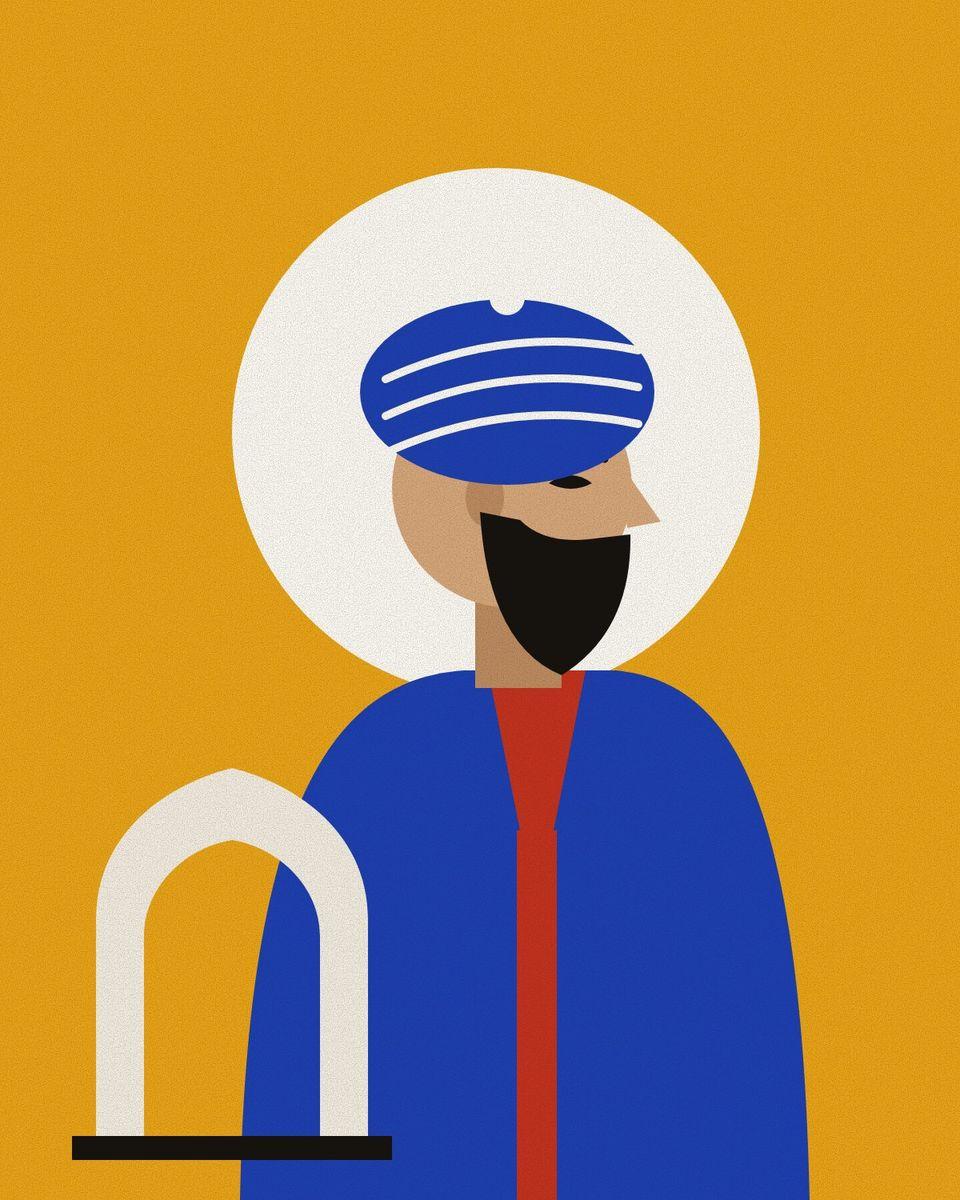
Khaqani
خاقانیCourt poet of the Shirvanshahs, master of the learned and difficult qasida.

Nezami Ganjavi
نظامی گنجویThe master of the Persian verse romance, whose Khamsa gave the world Layli and Majnun and Khosrow and Shirin.
Shahriar
شهریارMaster of the modern ghazal in Persian and author of the best-loved poem in Azerbaijani Turkish. Iran's National Poetry Day marks his death.
Stories from hereداستانها
Afsharids, Zands and Qajars
A soldier-king who sacked Delhi, a regent who rebuilt Shiraz, and a dynasty that made Tehran the capital and lived through Iran's Constitutional Revolution.
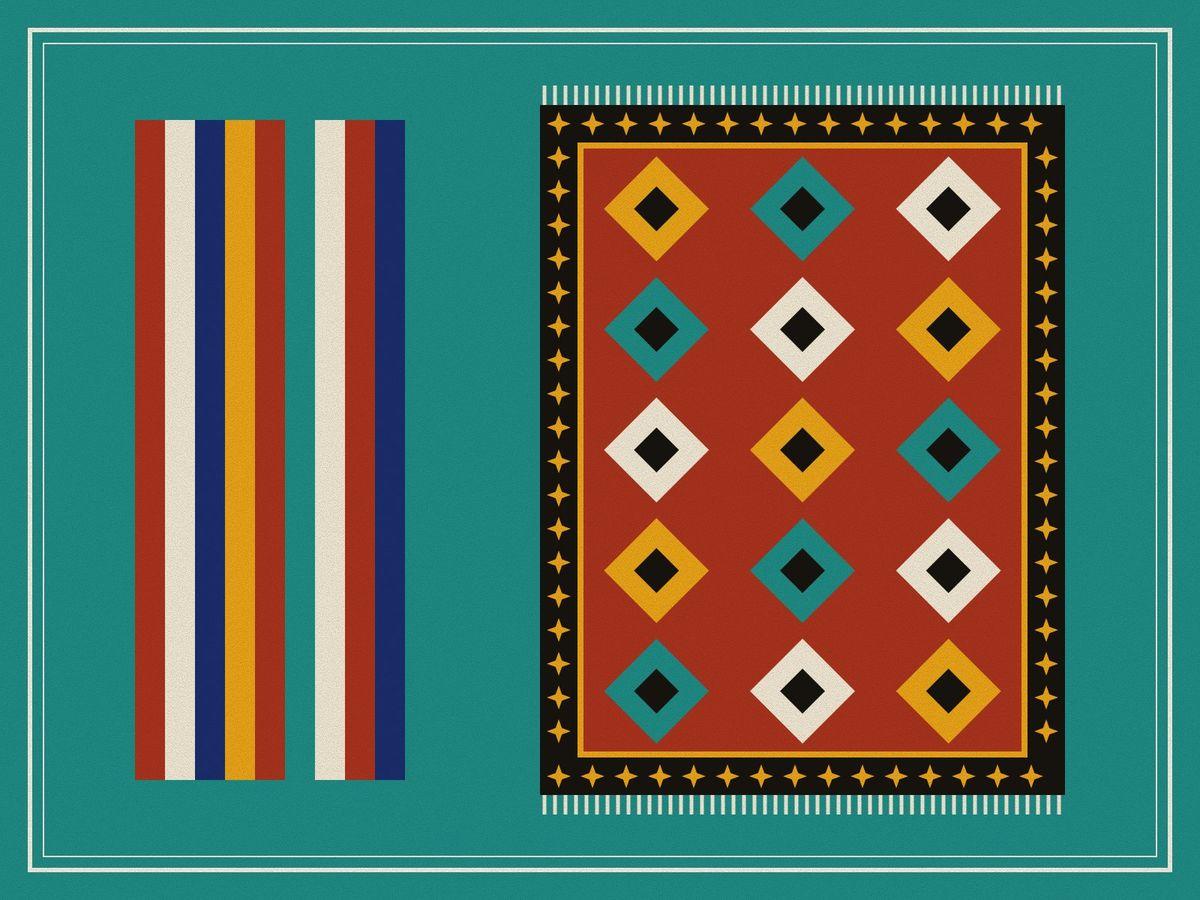
Kilim, soumak and jajim
Not every Persian rug has a pile. The flatweaves of villages and tents are lighter, quicker and often bolder.