Yazd
یزدAn old desert city of windcatchers, qanats and Zoroastrian fire temples, where caravan routes crossed the central plateau.
Yazd grew where caravan routes crossed the central desert. Its mud-brick old town, a UNESCO World Heritage site since 2017, is built for the heat: windcatchers, badgir, pull cool air down into the houses, and qanats, underground channels, bring water from the mountains.
Yazd remains a centre of Iran's Zoroastrian community. Its fire temple keeps a flame said to have burned for many centuries, and the Towers of Silence stand on the hills outside the city.
Cities and towns
Yazdیزد
The old town of windcatchers
Meybodمیبد
Pottery, a caravanserai and an old ice house
Taftتفت
A town of gardens and Zoroastrian villages
Landmarksبناها و نشانهها
Dowlat Abad Garden
باغ دولتآبادHome to one of the tallest windcatchers in Iran
Yazd Atash Behram
آتشکده یزدThe fire temple of Yazd
Jameh Mosque of Yazd
مسجد جامع یزدA tiled portal and twin minarets rising over the old city
Chak Chak (Pir-e Sabz)
چکچک (پیر سبز)The most sacred Zoroastrian mountain shrine, in a desert cliff
Nayband
نایبندA terraced oasis village alone in the desert south of Tabas
Yazd through time
Iranian historyAfsharids, Zands and Qajarsافشاریان، زندیان و قاجاریان
A soldier-king who sacked Delhi, a regent who rebuilt Shiraz, and a dynasty that made Tehran the capital and lived through Iran's Constitutional Revolution.
- Ilkhanid rebuilding of the mosque begins
- Dowlat Abad Garden laid out in Yazd
- Present Yazd fire temple building completed
- Inscribed by UNESCO as part of the Persian Garden
- Historic City of Yazd inscribed by UNESCO
Poets of Yazdشاعران
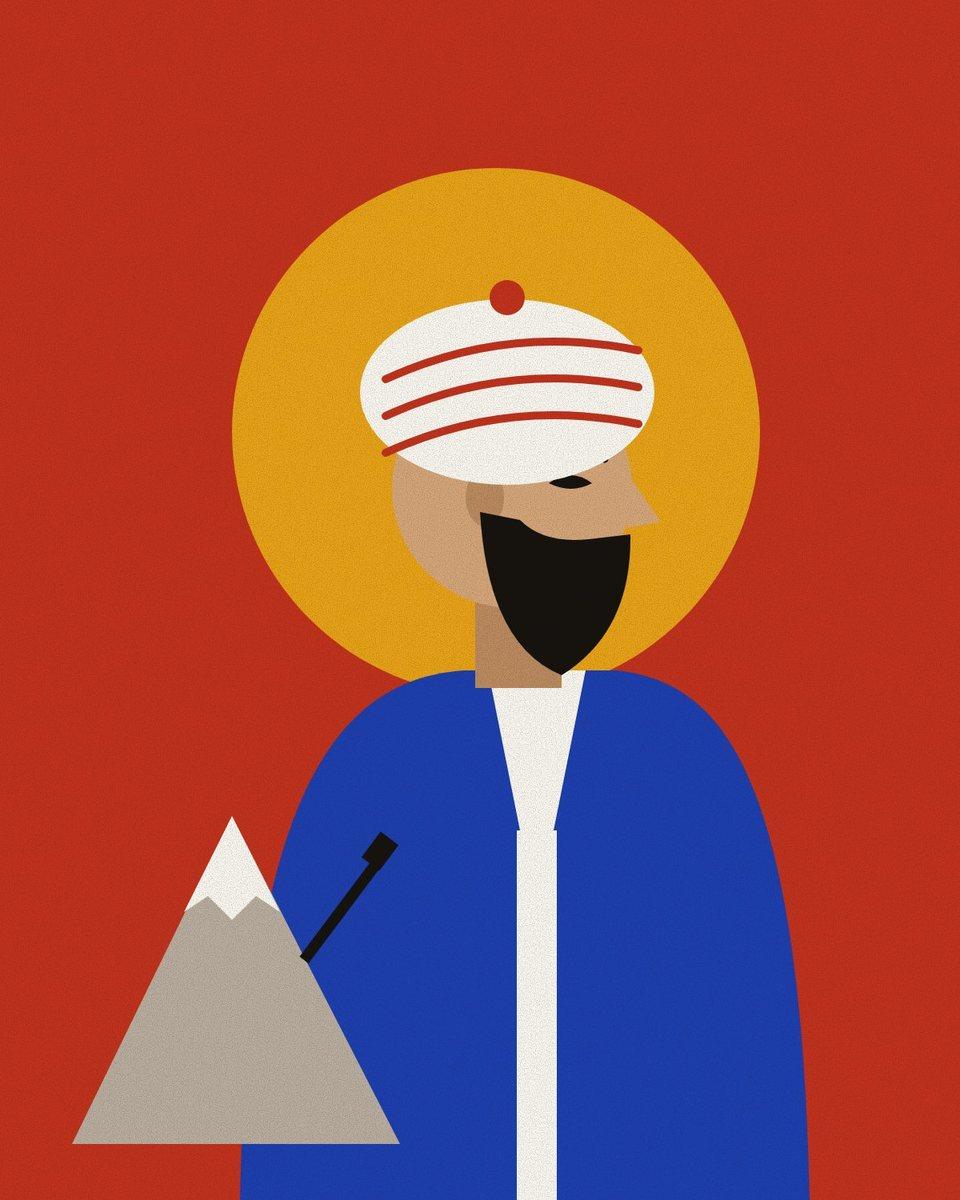
Vahshi Bafqi
وحشی بافقیPoet of Yazd whose plain, passionate ghazals of love and complaint are still widely known.
Peoples, languages and faithsمردم، زبان و دین
Stories from hereداستانها
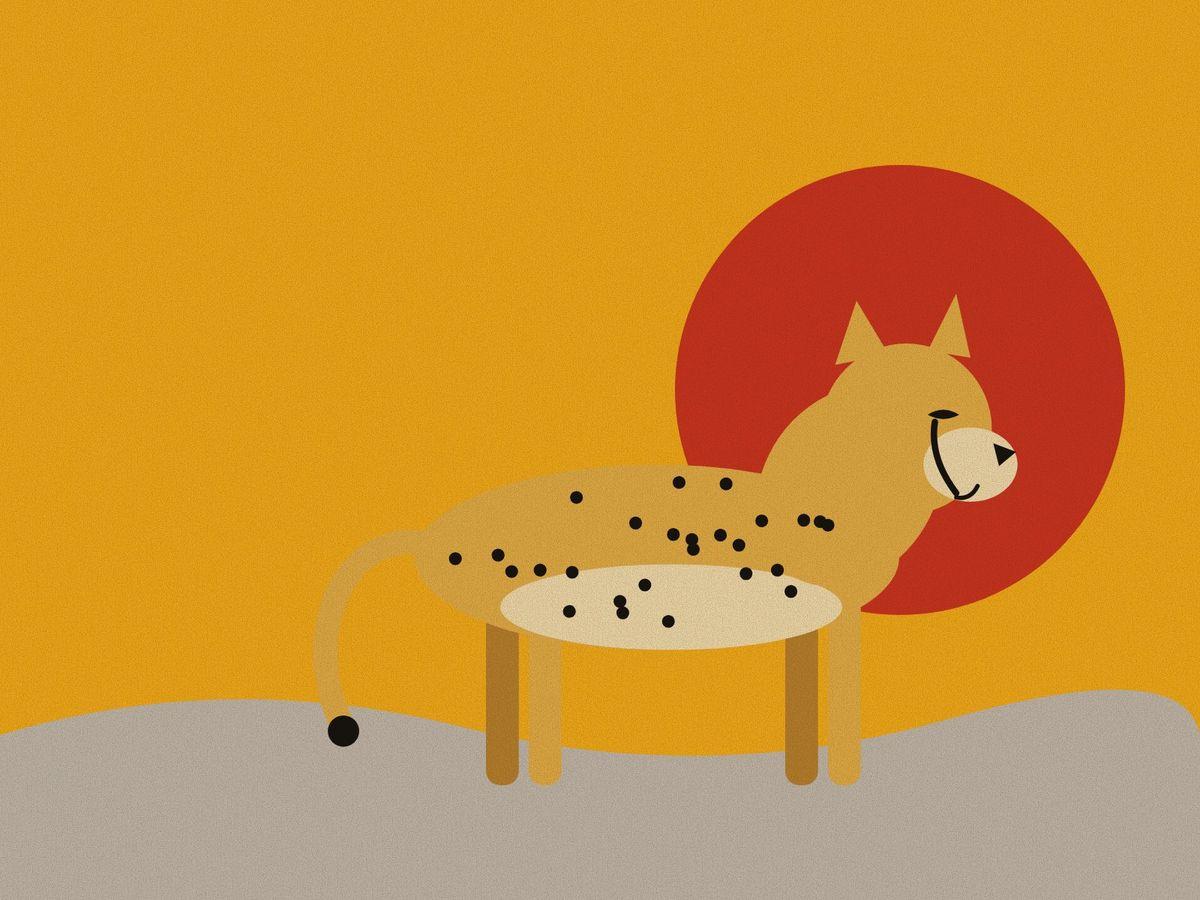
The Asiatic cheetah
Once a hunting companion of kings, now the last of its line: the Asiatic cheetah survives in the wild only in Iran, and only a few dozen are thought to remain.

Pari
Malign in the Avesta and the image of beauty in Persian poetry, the pari is still believed in many regions to live near water, giving and taking in equal measure.

Tirgan
A midsummer festival of water on Tir day of the month of Tir. People splash one another, tie a rainbow cord round the wrist, and remember Tishtrya, the star who brings rain, and the arrow of Arash.

Mehregan
The autumn feast of Mehr, or Mithra, god of covenants and friendship. For centuries it stood beside Nowruz as one of the two great feasts of the Persian year; Zoroastrians and Tajiks keep it still.
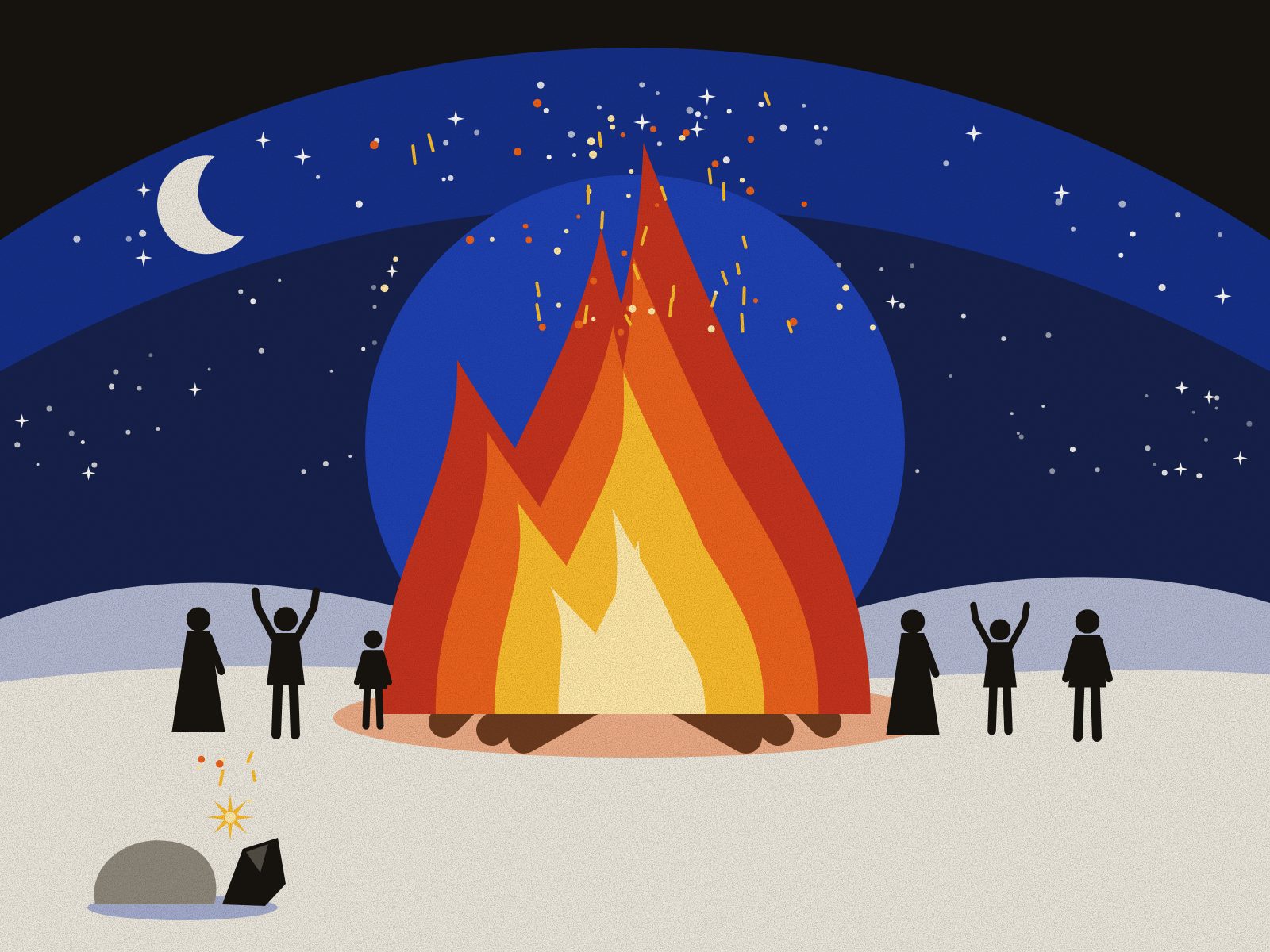
Sadeh
A midwinter fire festival held fifty days before Nowruz, when a great bonfire is lit at dusk. The Shahnameh credits the first Sadeh fire to King Hushang; the Zoroastrians of Kerman and Yazd still light it.

Sepandarmazgan
An old Zoroastrian feast of Spenta Armaiti, guardian of the earth, once a day when women were given gifts. Revived in the twentieth century, it is now often called the Persian day of love.
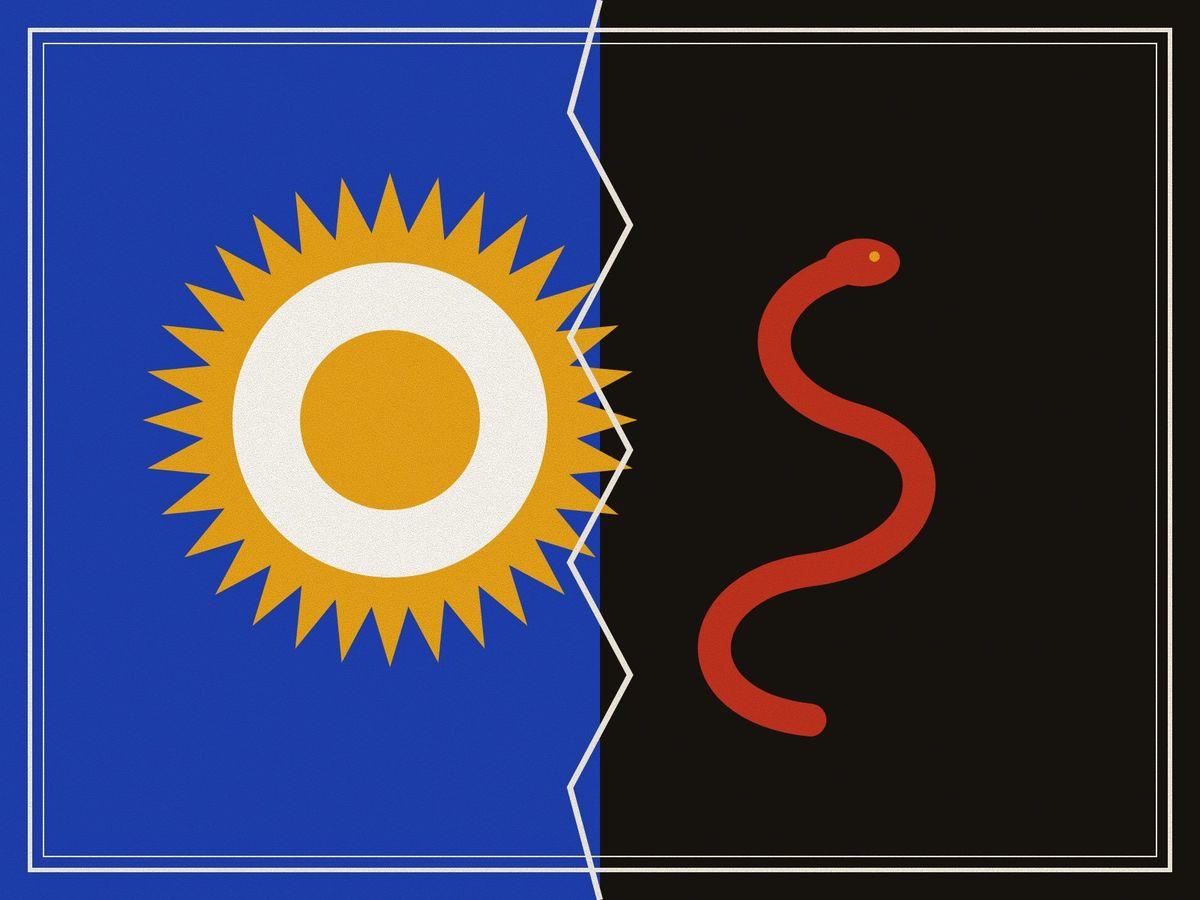
Ahura Mazda and Ahriman
The Wise Lord and the Hostile Spirit: the oldest Iranian account of a world in which every person takes a side, and the moral heart of a faith still practised today.

Kayumars and the first kings
In Ferdowsi's Shahnameh, history begins on a mountainside with a king in a leopard skin, and the gifts of civilisation are won one by one: fire, iron, tamed animals, writing.