Jameh Mosque of Isfahan
مسجد جامع اصفهانA thousand years of Iranian mosque building in one courtyard
The Jameh Mosque, the Friday Mosque of Isfahan, is often described as a museum of Iranian architecture, because almost every period from the early Islamic centuries to the Safavids left its mark on it. It stands in the old heart of the city, a short walk from the bazaar, well away from the later Safavid splendour of Naqsh-e Jahan Square, and it is still a working mosque, used for daily prayers.
Its decisive moment came under the Seljuks in the late eleventh century. The vizier Nizam al-Mulk built the great domed chamber in front of the mihrab, the prayer niche, around 1086–1087, and a year or two later his rival Taj al-Molk built a smaller, exquisitely proportioned brick dome at the northern end of the axis. Around this time the courtyard was given four iwans, vaulted halls open to the courtyard on each side. This four-iwan plan became the model for mosques across Iran and Central Asia for centuries.
Later builders added their own layers. In 1310, under the Ilkhanid ruler Öljeitü, a prayer hall was given a carved stucco mihrab of extraordinary depth and intricacy, deep-cut with plant scrolls and inscriptions. Under the Timurids and Safavids the courtyard façades and iwans were faced with glazed tile, while behind them the forest of brick columns and vaults of the prayer halls shows the bare brickwork of earlier centuries.
Walking from the courtyard into the low brick halls is to move between eras in a few steps, and the mosque rewards slow looking, especially in the patterns of the brick vaults, each one different. It was inscribed by UNESCO as a World Heritage site in 2012.
Jameh Mosque of Isfahan through time
Iranian historySeljuks, Mongols and Ilkhanidsسلجوقیان، مغولان و ایلخانان
Turkic and then Mongol conquerors took Iran in turn. The Seljuks built mosques and colleges; the Mongols brought catastrophe, then, as the Ilkhanids, became patrons of history-writing and art.
- Nizam al-Mulk's south dome built
- Taj al-Molk's north dome built
- Öljeitü's stucco mihrab completed
- Inscribed as UNESCO World Heritage site
More in Isfahanاصفهان
Naqsh-e Jahan Square
The royal square of Shah Abbas, more than five hundred metres long
Fin Garden
A Persian garden of running water outside Kashan
Si-o-se Pol
The bridge of thirty-three arches across the Zayandeh
Vank Cathedral
The Armenian cathedral of New Julfa, painted from floor to dome
Stories from the regionداستانها
Persians
Persian speakers of Iran call themselves *Fars* or simply *Irani*. They are one people among many in Iran, and their language became a shared tongue for far more than themselves.
Avaz: the classical voice
In Persian classical music the singer is the centre, and the song is a poem: a ghazal of Hafez, Saadi or Rumi, unfolded line by line in free rhythm and ornamented with the breaking voice of the *tahrir*.
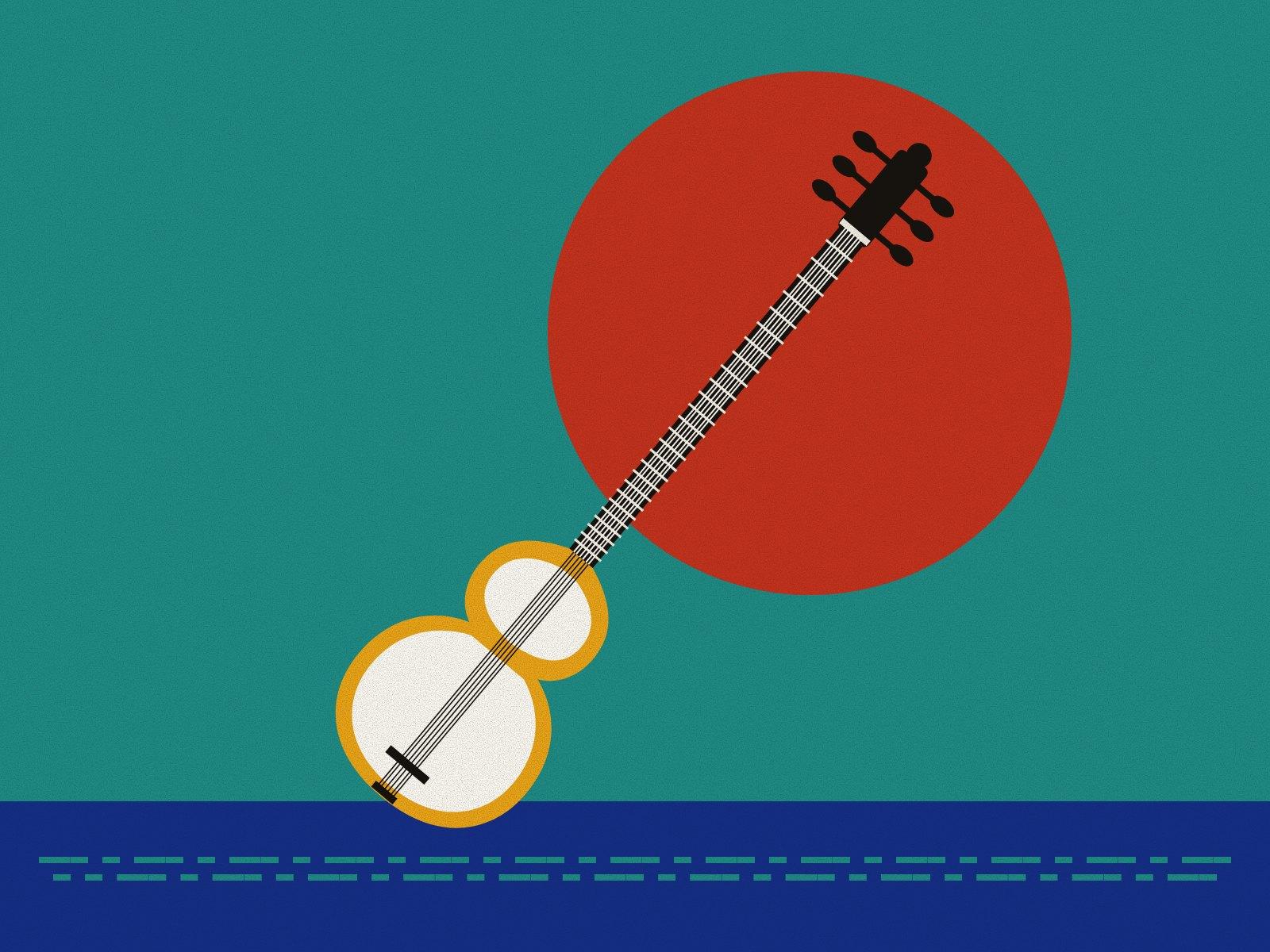
Tar
With its double-bowled mulberry body and skin face, the tar was the instrument on which the radif itself was codified. In the Caucasus a related tar has grown into a tradition of its own.