Abbasabad Garden
باغ عباسآبادShah Abbas's garden, dam and lake in the forests above Behshahr
In the forested foothills of the Alborz, about nine kilometres from the town of Behshahr in eastern Mazandaran, lies the ruin of a royal garden built for Shah Abbas I. The shah, whose mother came from Mazandaran, spent much time in the Caspian provinces, and around 1612 he ordered a complex of gardens and buildings here, part of a chain of royal residences along the coast.
Abbasabad is unlike the desert gardens of central Iran. Instead of a walled oasis fed by a qanat, the underground channel of the plateau, it sits among green woods and uses a dam of stone and brick to hold back a lake. From the lake, water was carried down to a sequence of terraces, pools and channels, and the garden around them held a palace, a bathhouse, two brick towers and a watermill. Today the palace is a ruin of foundations and walls, but the lake remains, its surface reflecting the trees on the hills around it.
In 2011 Abbasabad was inscribed by UNESCO as one of nine gardens that together make up the World Heritage site of the Persian Garden, the only one of the group in the green Caspian north. Its inclusion shows how the Persian idea of the garden as an ordered paradise of water and trees could be adapted to a wholly different landscape.
Visitors come for the quiet as much as the history. In autumn, when the leaves turn and mist hangs over the water, the old dam and broken walls feel like a lost world in the forest.
Abbasabad Garden through time
Iranian historyThe Safavidsصفویان
The Safavids made Twelver Shia Islam Iran's state religion and rebuilt Isfahan as one of the most admired cities in the world.
- Shah Abbas I orders the garden built
- Inscribed by UNESCO as part of the Persian Garden
More in Mazandaranمازندران
Mount Damavand
The highest peak in Iran, about 5,610 metres
Veresk Bridge
A railway arch high above a gorge on the Trans-Iranian Railway
Badab-e Surt
Orange and white travertine terraces built by mineral springs
Stories from the regionداستانها
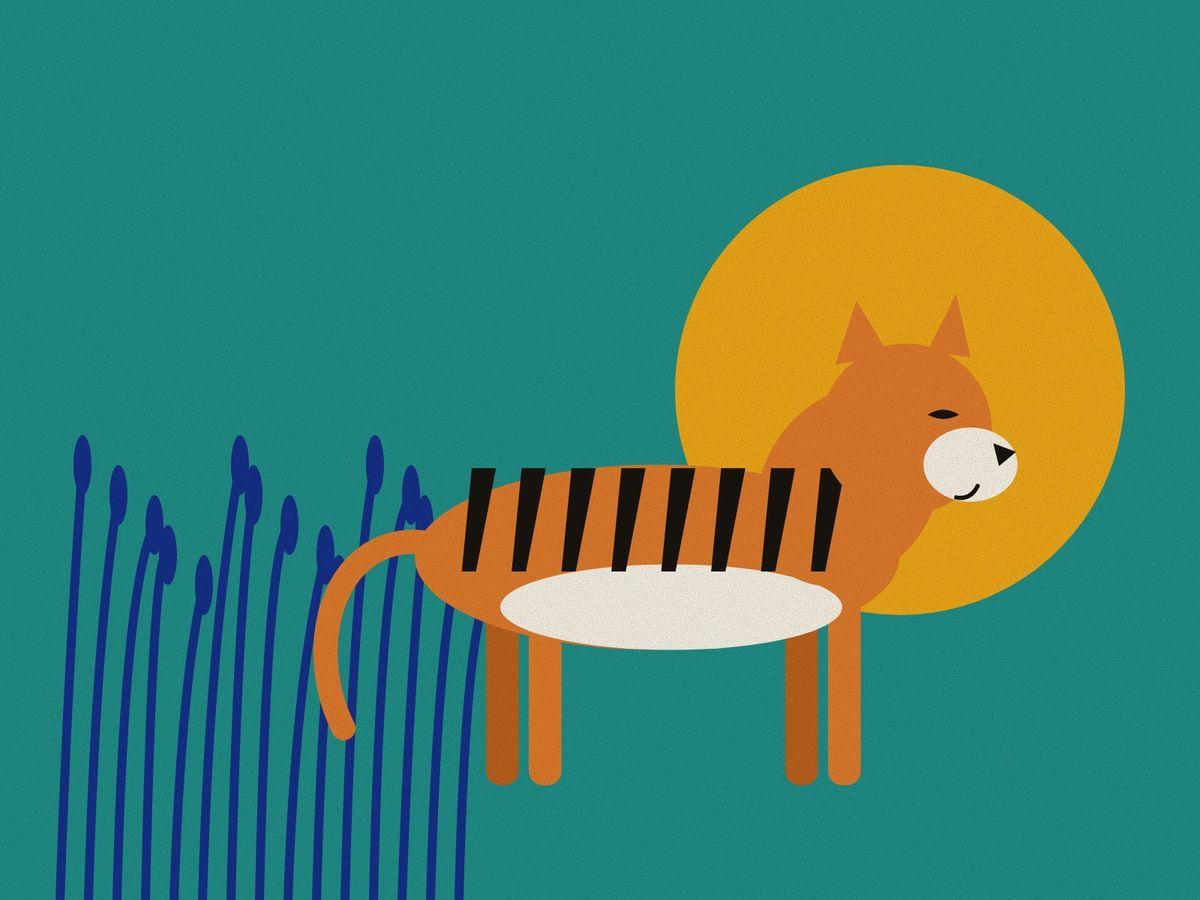
The Caspian tiger
The tiger of Mazandaran vanished from Iran in the mid-twentieth century. It lives on in a name, a hero's cloak and a genetic surprise.
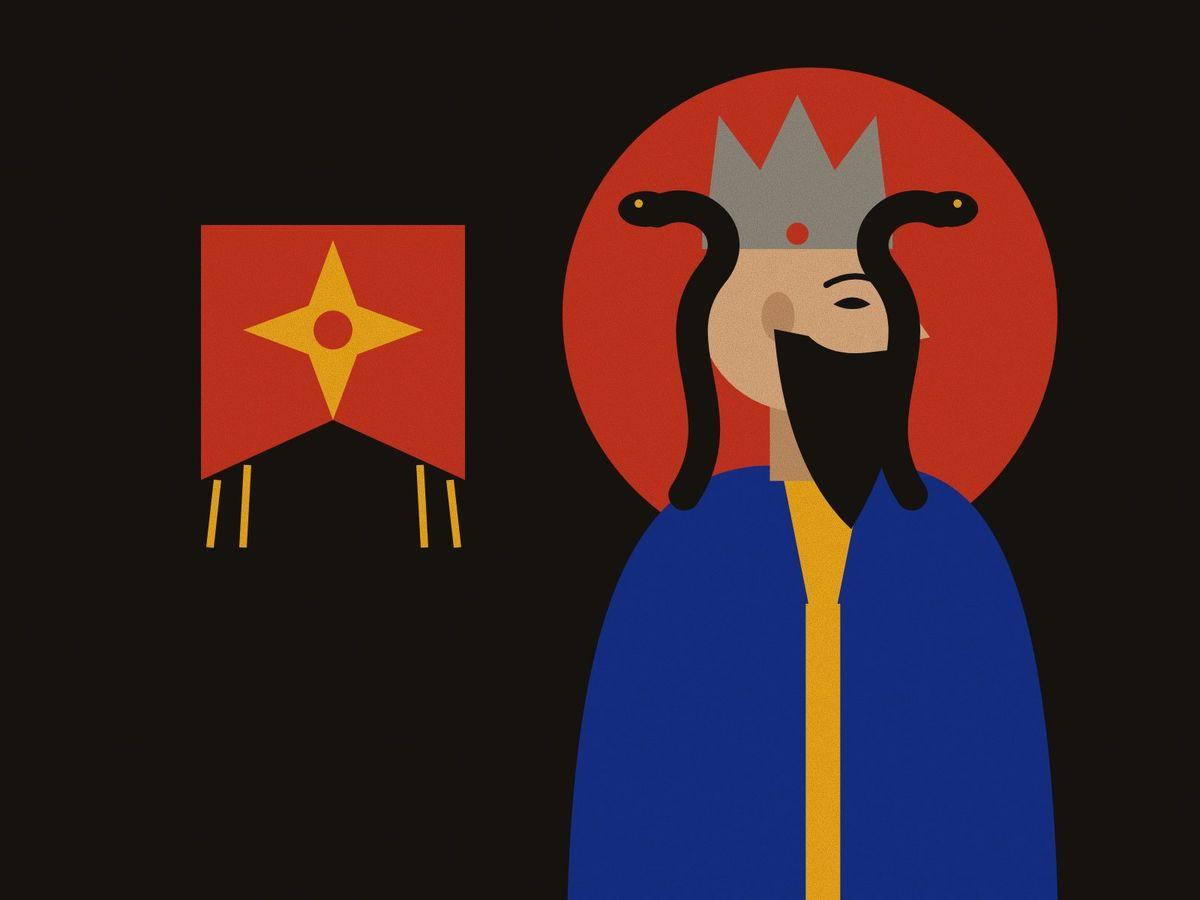
Zahhak and Kaveh the blacksmith
A king with serpents growing from his shoulders, and the blacksmith who raised his leather apron on a spear and brought him down.
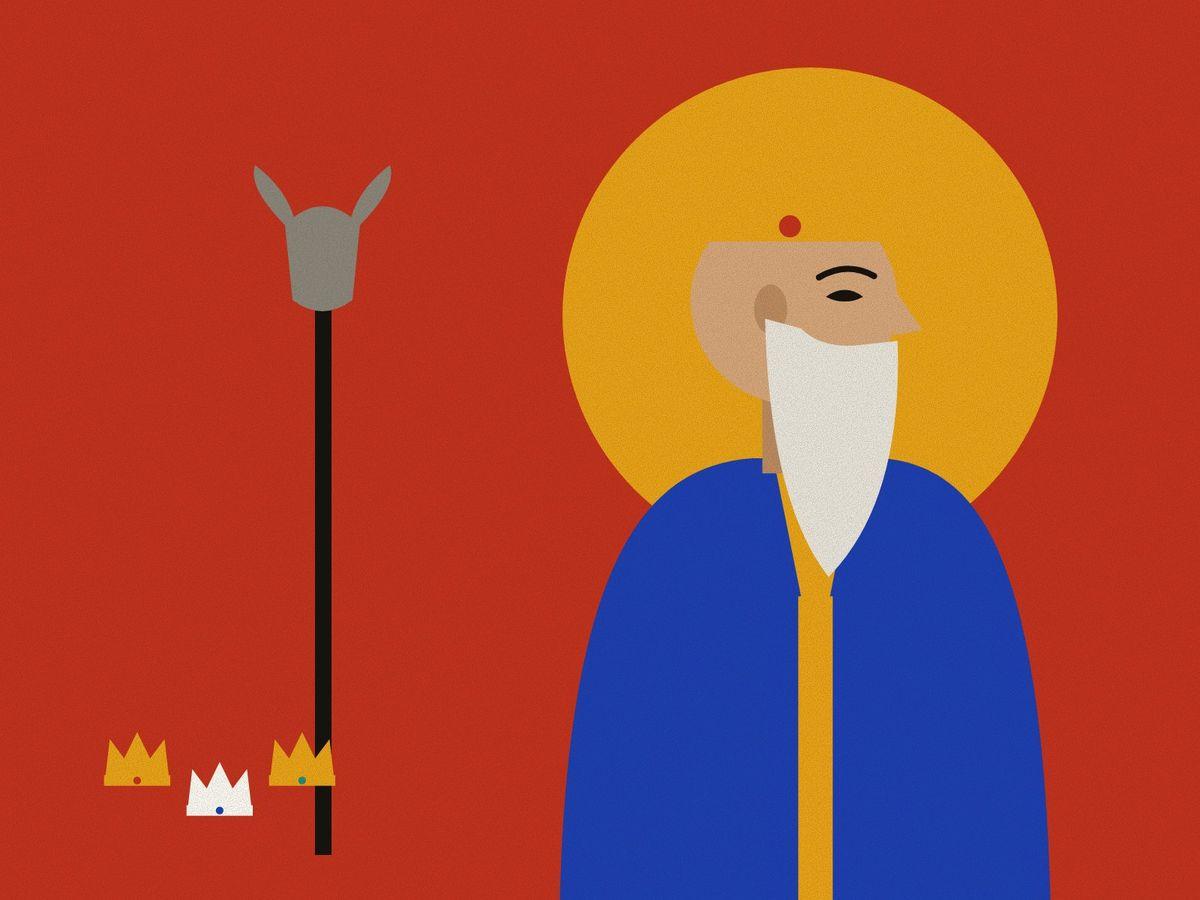
Fereydun and his three sons
The king who freed Iran from Zahhak divided the world between his sons, and in doing so, Ferdowsi says, began the long feud between Iran and Turan.