Anzali Lagoon
تالاب انزلیA Caspian lagoon of reeds, lotus flowers and wintering birds
The Anzali Lagoon, Mordab-e Anzali, is a large coastal wetland on the Caspian shore of Gilan, just behind the port of Bandar Anzali. Fed by rivers that run down from the Alborz, it is separated from the sea by a narrow strip of land and connected to it by channels through the town. Reedbeds, open water and wooded islands make it one of the richest wetlands in Iran.
In summer, large areas of the lagoon are covered with the pink flowers and broad leaves of the lotus, and boatmen take visitors out from the jetties of Bandar Anzali through channels in the reeds. In winter it fills with migratory birds from Siberia and Central Asia, including ducks, coots, herons and cormorants, and the lagoon has long been a place of fishing and wildfowling for local Gilaks.
The lagoon was among the first sites listed under the Ramsar Convention on Wetlands, the treaty signed in 1971 in the Iranian town of Ramsar on the same Caspian coast. Like many wetlands it is under strain: silt carried down by its rivers, pollution from towns and farms, and the spread of reeds have reduced the open water, and its decline has become a matter of public concern in Gilan.
For visitors, a boat trip at dawn or sunset, when the light is soft and the birds are active, is the best way to see the lagoon, followed by fish and Gilaki dishes in one of the town's restaurants, such as smoked fish with rice or mirza ghasemi, smoky aubergine with egg and garlic. The town's fish market, close to the lagoon, is also worth a visit in the morning.
Anzali Lagoon through time
Iranian historyThe Pahlavi century and afterدوران پهلوی و پس از آن
Two Pahlavi shahs built railways, universities and a centralised state, while poets, novelists and film-makers created a new Persian culture. The era ended with the revolution of 1979.
- Listed as a Ramsar wetland
More in Gilanگیلان
Masuleh
A stepped mountain village where roofs are streets
Rudkhan Castle
A forest fortress of brick walls across two wooded peaks
Tomb of Sheikh Zahed Gilani
A Sufi master's shrine under a stepped roof of glazed tile
Stories from the regionداستانها
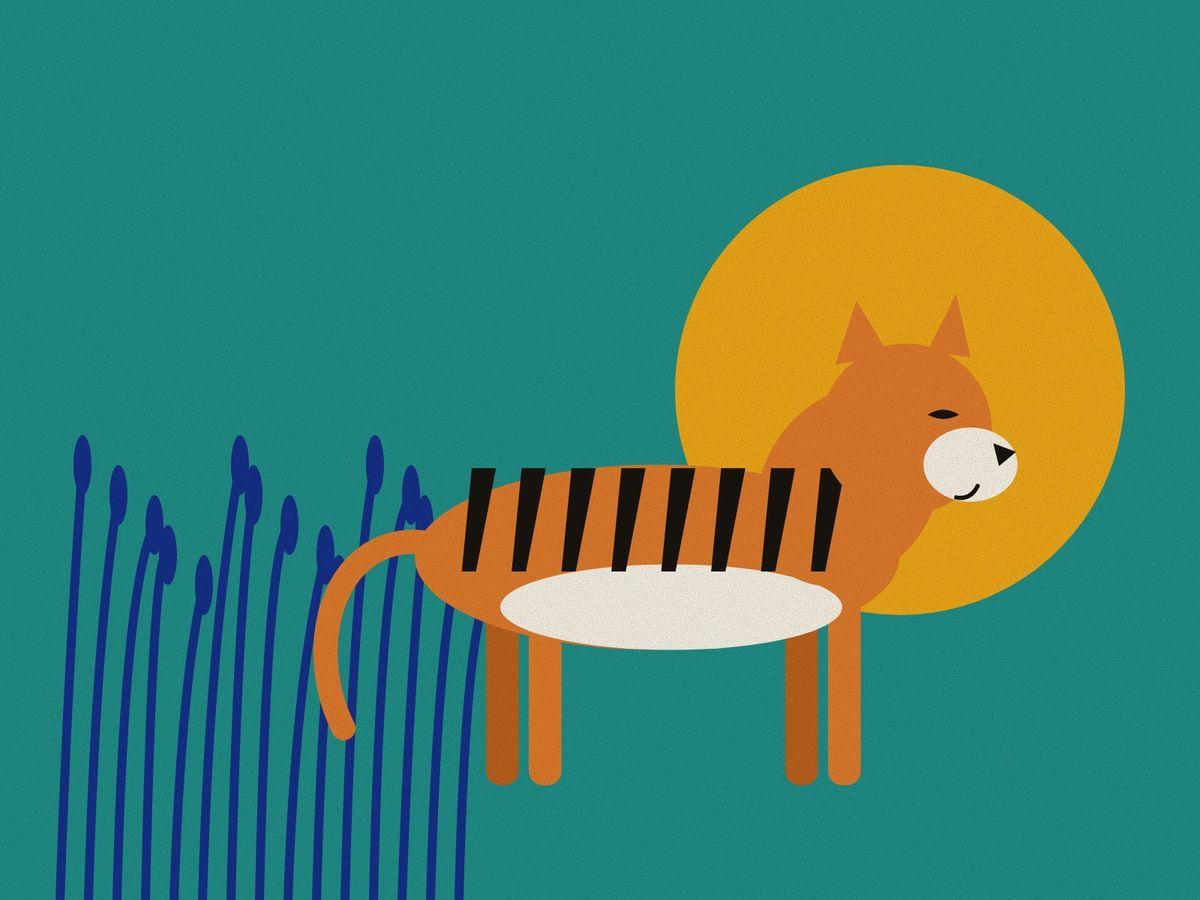
The Caspian tiger
The tiger of Mazandaran vanished from Iran in the mid-twentieth century. It lives on in a name, a hero's cloak and a genetic surprise.
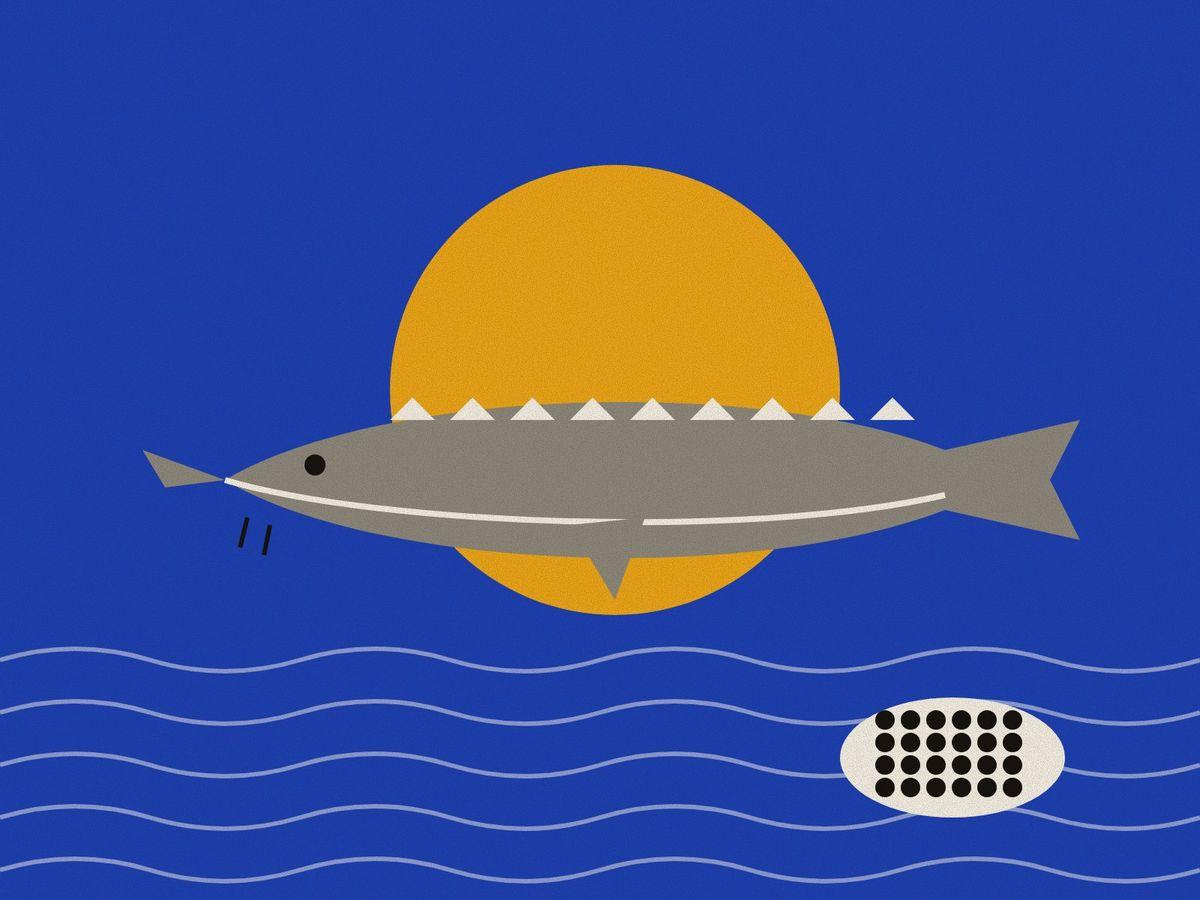
Sturgeon and caviar of the Caspian
Armoured fish of an ancient lineage, whose eggs made the Caspian famous and whose decline turned a luxury into a conservation emergency.

Gilaki and Mazandarani
Between the Alborz and the Caspian, in a green world of rice fields and forest, Gilaki and Mazandarani have been spoken for a thousand years, and have their own poets and their own medieval classic.