West Azerbaijan
آذربایجان غربیLake Urmia, Azerbaijani and Kurdish towns, Armenian churches and the Sasanian fire temple of Takht-e Soleyman.
West Azerbaijan runs along the borders of Turkey and Iraq around Lake Urmia, a salt lake once among the largest in the Middle East and now much reduced. Its people are Azerbaijani, Kurdish, Armenian and Assyrian.
In the south-east, Takht-e Soleyman was the site of Adur Gushnasp, one of the three great fire temples of the Sasanian empire, built around a spring-fed lake. In the north stands the Armenian monastery of Saint Thaddeus, the Qara Kelisa.
In the Shahnameh
- Azar Goshnasp (Takht-e Soleyman)Kay Khosrow's fire temple, traditionally the great Sasanian sanctuary at Takht-e Soleyman
- Lake Chichast (Lake Urmia)The lake where Afrasiab hid and was taken, traditionally Lake Urmia
Cities and towns
Urmiaارومیه
The provincial capital beside the lake
Mahabadمهاباد
A centre of Kurdish culture
Khoyخوی
An old town on the road to Anatolia
Landmarksبناها و نشانهها
Takht-e Soleyman
تخت سلیمانThe Sasanian royal fire temple around a spring-fed lake
Qara Kelisa
قره کلیساThe Armenian monastery of Saint Thaddeus
Lake Urmia
دریاچه ارومیهA great salt lake of flamingos and islands, fighting to survive
Teppe Hasanlu
تپه حسنلوThe citadel mound where the Hasanlu gold bowl was found
West Azerbaijan through time
Iranian historyThe Pahlavi century and afterدوران پهلوی و پس از آن
Two Pahlavi shahs built railways, universities and a centralised state, while poets, novelists and film-makers created a new Persian culture. The era ended with the revolution of 1979.
- Citadel stormed and burned
- Hasanlu gold bowl discovered
- Lake reaches its modern high-water mark
- Takht-e Soleyman inscribed by UNESCO
- Inscribed by UNESCO among Armenian monasteries
Peoples, languages and faithsمردم، زبان و دین
Stories from hereداستانها
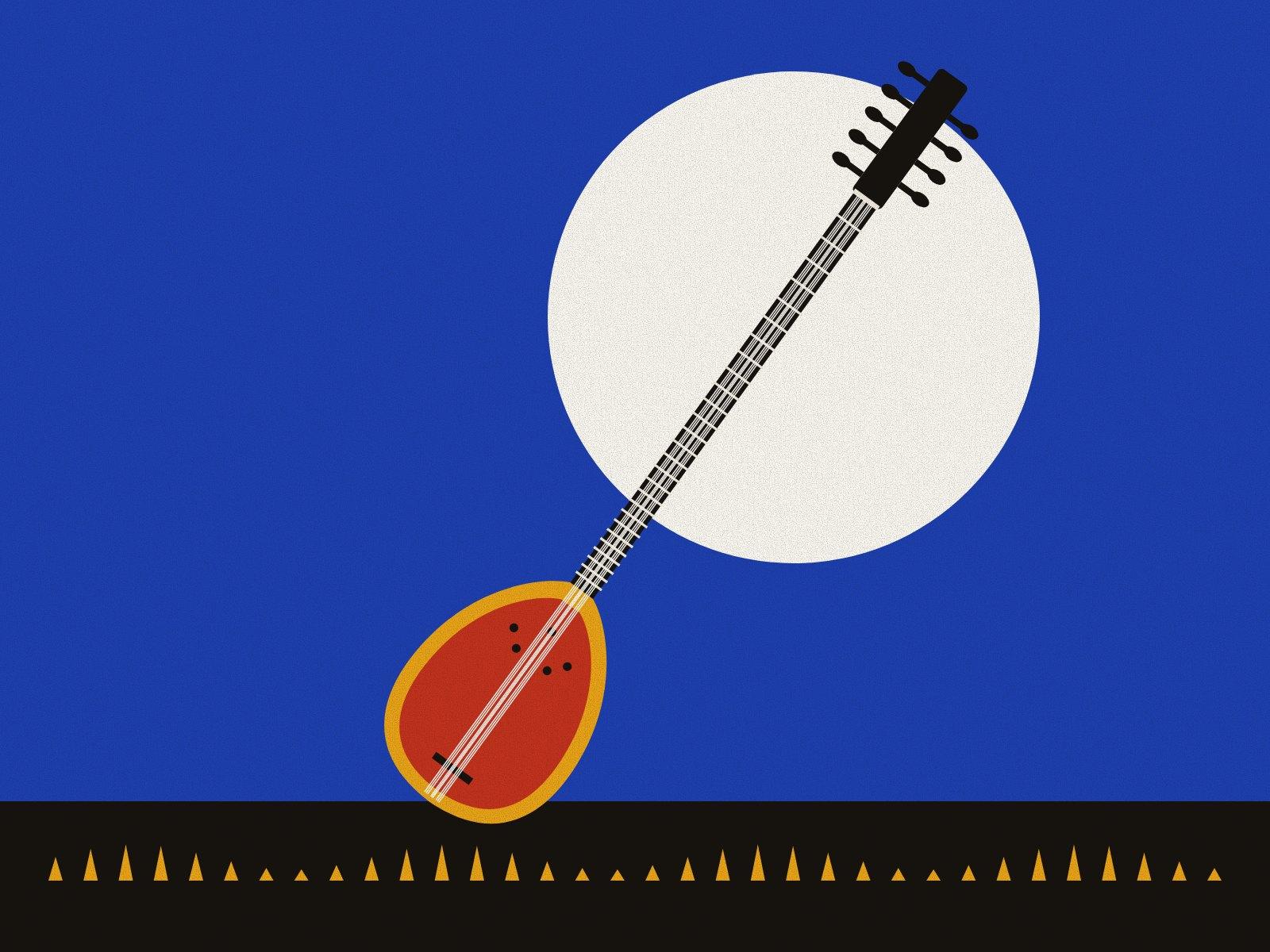
The ashiq and the saz
Poet, singer, storyteller and player of the long-necked saz, the *ashiq* is the minstrel of the Azerbaijani-speaking world, on both banks of the Aras.

Kurdish song
From the unaccompanied storytelling song of the *dengbêj* to the ancient Hawrami *siyachamana*, Kurdish song carries history, love and lament across four countries.