Golestan National Park
پارک ملی گلستانIran's oldest national park, where forest meets steppe
Golestan National Park lies in the mountains at the eastern end of the Alborz, where Golestan meets North Khorasan and Semnan provinces. It was first protected in 1957 and later declared a national park, the first in Iran, and it remains one of the country's most important reserves for wildlife. Its area is roughly nine hundred square kilometres.
What makes the park remarkable is how much changes within a short distance. Its western and northern slopes catch moisture from the Caspian and are covered with dense deciduous forest of oak, hornbeam, maple and wild fruit trees, part of the ancient Hyrcanian forest belt that once ran along the whole southern shore of the Caspian and that UNESCO inscribed as a World Heritage site in 2019. Travel east and the trees thin into juniper woodland, then open grassland and finally the dry steppe of Khorasan.
This mix of habitats supports a rich fauna. The park is home to the Persian leopard, brown bear, wolf, wild boar, the maral or Caspian red deer, wild goat, and the urial, a wild sheep with great curling horns that grazes the open slopes. More than a hundred species of birds have been recorded. Rangers patrol the park, and its staff have long worked to protect the animals from poaching.
The main road between Gorgan and Mashhad runs straight through the park along the valley floor, so many travellers pass through it without stopping. Those who do stop find picnic grounds and forest trails in the west and wide views of rolling grassland in the east, and in autumn the forest turns red and gold. The road's traffic is also one of the park's main pressures, and conservationists have long called for measures to reduce collisions with wildlife.
Golestan National Park through time
Iranian historyThe Pahlavi century and afterدوران پهلوی و پس از آن
Two Pahlavi shahs built railways, universities and a centralised state, while poets, novelists and film-makers created a new Persian culture. The era ended with the revolution of 1979.
- Area first protected
- Declared a national park
More in Golestanگلستان
Gonbad-e Qabus
A brick tower tomb more than fifty metres high
Great Wall of Gorgan
A Sasanian frontier wall of red brick nearly 200 km long
Khalid Nabi
A hilltop shrine and a cemetery of carved standing stones
Stories from the regionداستانها
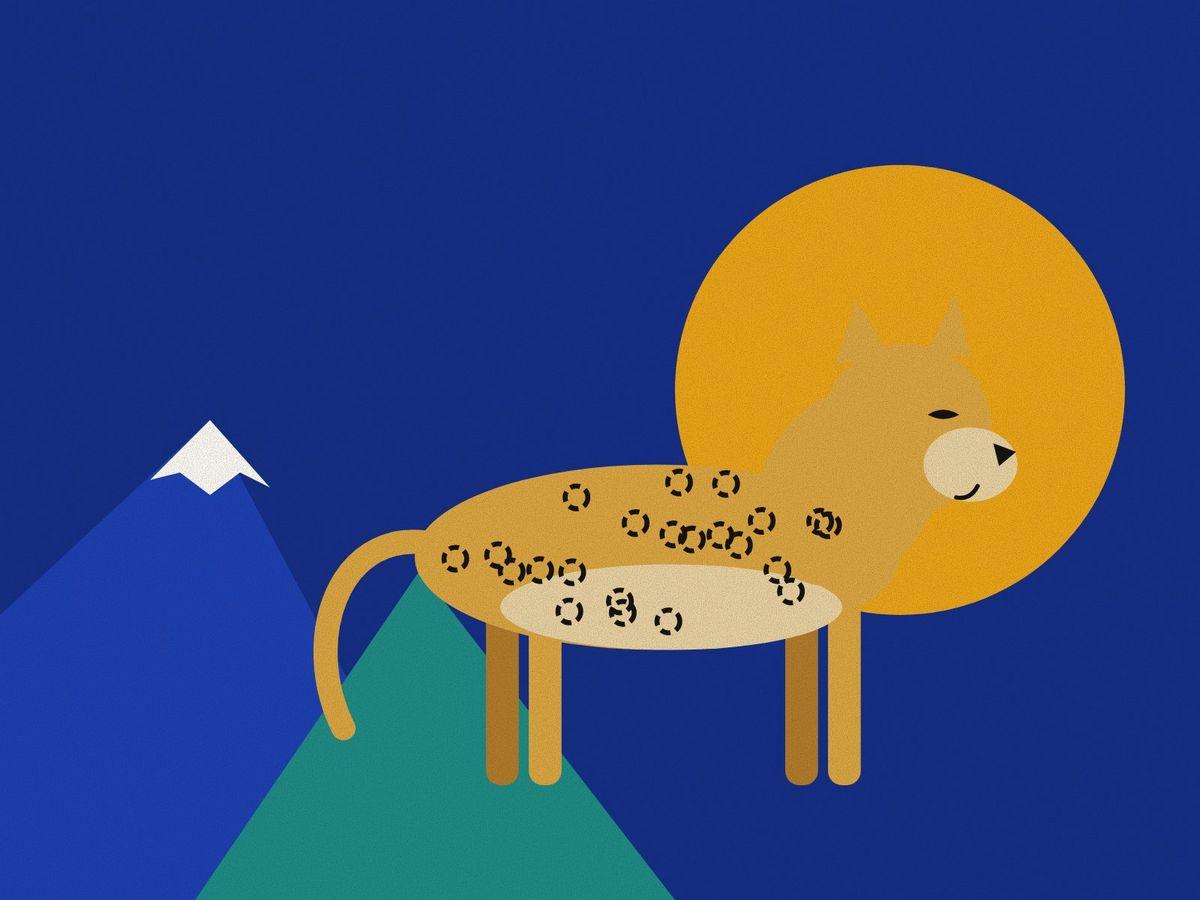
The Persian leopard
The great cat that never left: the Persian leopard still hunts the mountains of Iran and the Caucasus, sometimes within sight of Tehran's apartment blocks.
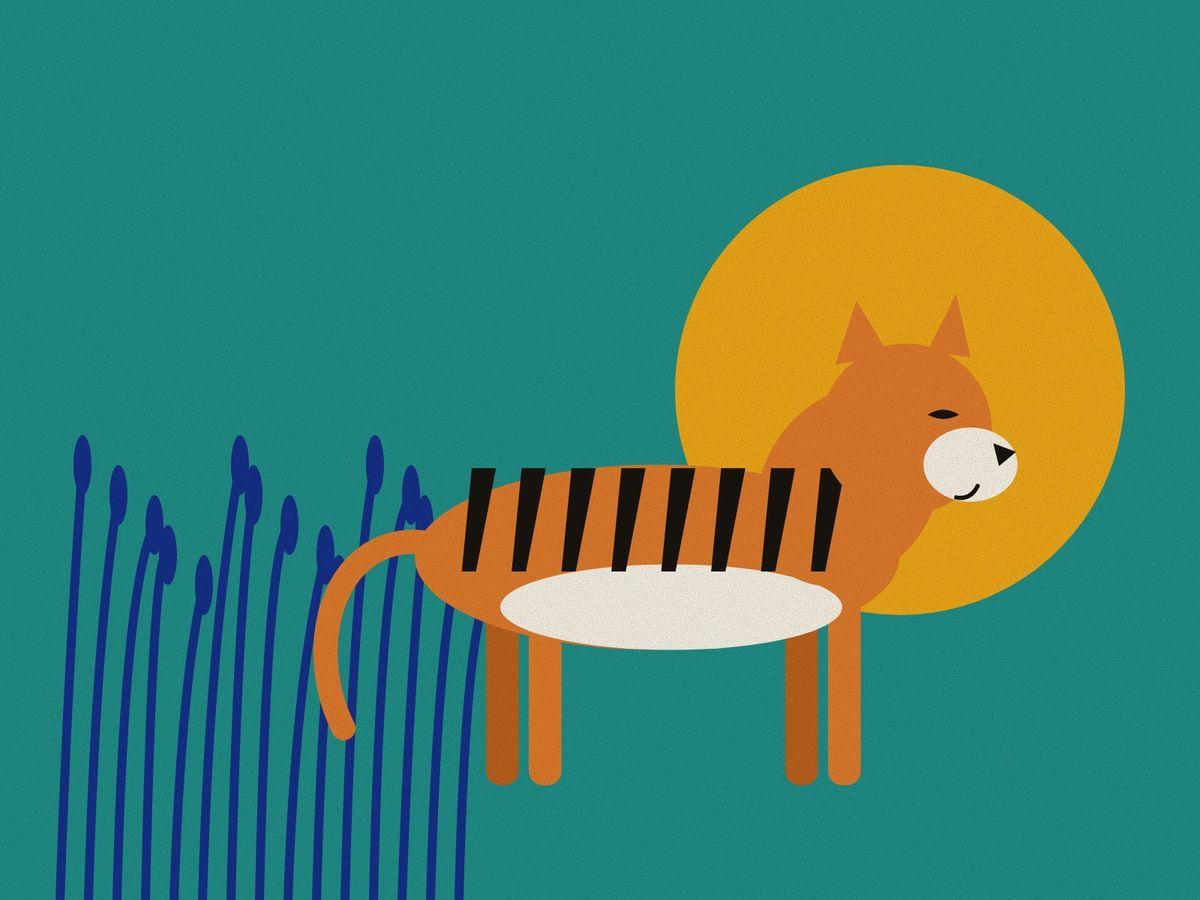
The Caspian tiger
The tiger of Mazandaran vanished from Iran in the mid-twentieth century. It lives on in a name, a hero's cloak and a genetic surprise.

Sunni Islam in the Iranian world
Sunni Islam is the faith of most Muslims in Afghanistan and Tajikistan, of Kurds, Baluch and Turkmen in Iran, and of the great scholars of medieval Khorasan.