Kharg Island
جزیره خارکA Gulf island of an early Christian monastery, a Dutch fort and an oil terminal
Kharg is a small coral island in the northern Persian Gulf, about 25 kilometres off the coast of Bushehr province. Its fresh water and sheltered anchorage have drawn sailors and settlers since antiquity, and its history runs from early Christianity to the oil age.
On the island are the remains of a large Christian monastery, excavated by the French archaeologist Roman Ghirshman around 1960. The complex, about 96 by 85 metres, held a church, around nineteen cells for monks, a library and a courtyard. It is usually dated between the late Sasanian period and the early Islamic centuries, when Christian communities of the Church of the East lived along the Gulf coasts. Nearby are rock-cut tombs and the shrine of Mir Mohammad, a local Muslim saint.
In 1753 the Dutch East India Company, led by Baron Tiddo von Kniphausen, set up a trading post and fort on Kharg, hoping to make it a free port for Gulf commerce. The venture ended in 1766, when the island was taken by Mir Muhanna, the ruler of Bandar Rig on the mainland.
In the twentieth century Kharg became Iran’s main crude-oil export terminal, its deep water allowing large tankers to load close to the shore, and much of the island is now taken up by oil installations. Access for visitors is restricted, but the island’s monastery, tombs and old Dutch site remain a reminder that Kharg was a crossroads of faiths and trade long before oil.
Kharg Island through time
Iranian historyAfsharids, Zands and Qajarsافشاریان، زندیان و قاجاریان
A soldier-king who sacked Delhi, a regent who rebuilt Shiraz, and a dynasty that made Tehran the capital and lived through Iran's Constitutional Revolution.
- Dutch East India Company sets up a post on Kharg
- Dutch driven out by Mir Muhanna
More in Bushehrبوشهر
Siraf
Ruins of a medieval port that traded with China and East Africa
Bushehr Old Town
The coral-stone port quarter of Bushehr, with its wooden balconies
Nayband Marine Park
A bay of mangroves, coral and nesting turtles near Asaluyeh
Stories from the regionداستانها
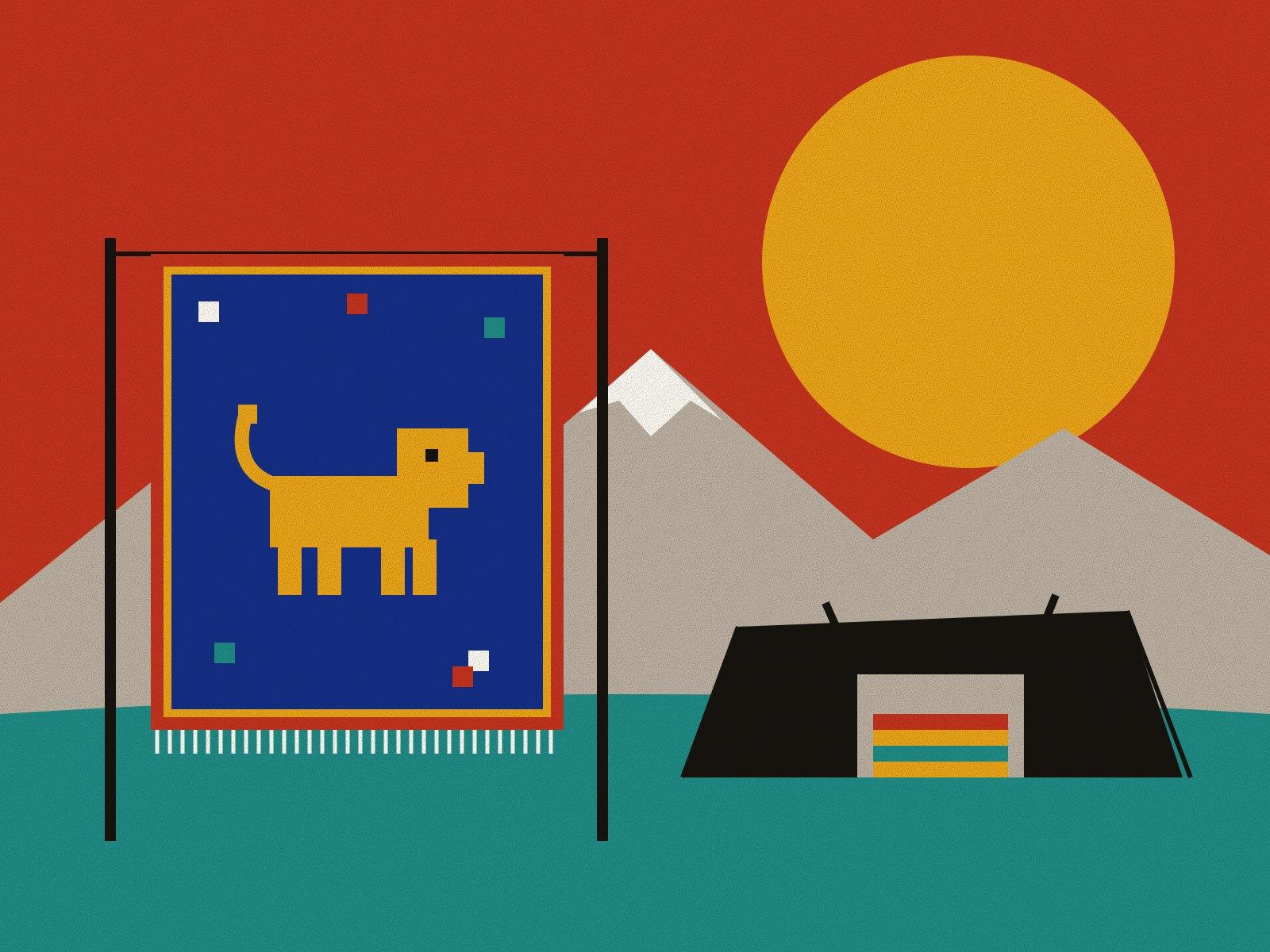
Qashqai
The Qashqai are a Turkic-speaking tribal confederation of Fars, famous for one of Iran’s longest migrations, for their gabbehs and kilims, and for women’s dress of many coloured skirts.
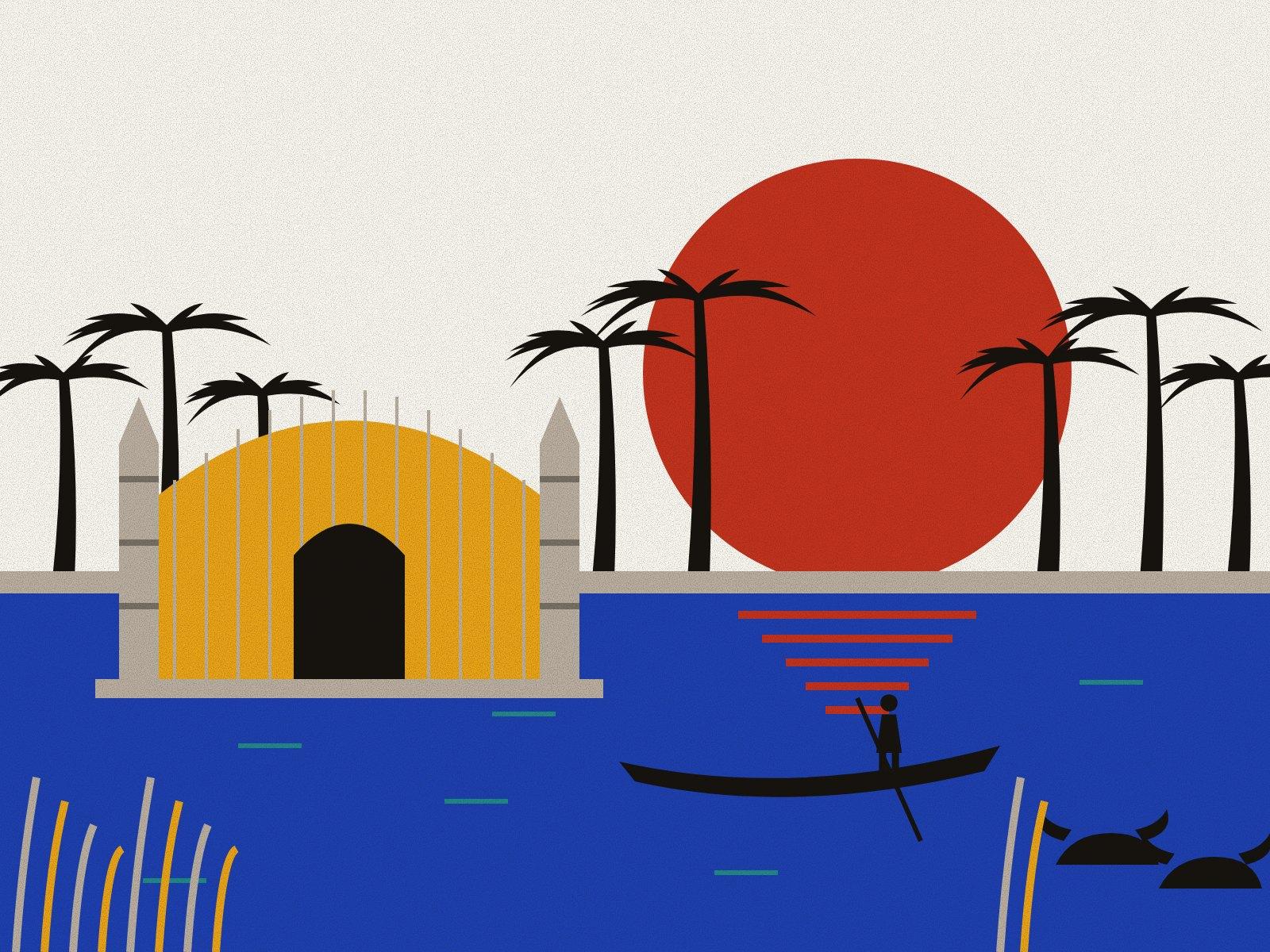
Arabs of Iran
Iran’s Arabs live mainly in Khuzestan and along the Gulf coast. Their Arabic dialects, tribal poetry, coffee and date palms are as old in Iran as any city on the plain.

Arabic in Iran
Arabic is spoken as a mother tongue in Khuzestan and along the Gulf coast, recited in every mosque, and woven so deeply into Persian that no sentence of literary Persian is free of it.