Namak Lake
دریاچه نمکA great salt lake on the edge of the central desert
Namak Lake, Daryacheh-ye Namak, “the salt lake”, lies in a broad basin east of Qom, at the western edge of the Dasht-e Kavir, the great salt desert of central Iran. It is one of the largest salt lakes on the Iranian plateau, covering on the order of 1,800 square kilometres, though how much of that is ever water depends entirely on the year.
For most of the time the lake is a crust of white salt, cracked into plates and polygons that run to the horizon. After winter rains and spring floodwater from the rivers that drain into the basin, a thin sheet of brine spreads over parts of the surface, sometimes only a few centimetres deep, and the salt beneath it turns the water pink, green or milky white. By summer the water has evaporated again and the crust is left behind, a little thicker each cycle.
The basin has no outlet. Every river that reaches it, carrying dissolved minerals down from the mountains to the west, ends here, and the minerals stay as the water leaves. That is how the salt has built up over many thousands of years, and why the edges of the lake are fringed with salt marsh where only a few hardy plants survive.
The lake lies within reach of Qom and Kashan, and visitors come for the strange, flat light of the salt pan, especially at sunrise and sunset, when the crust takes on the colour of the sky. Salt has long been gathered from the basin, and the ground around it shows how the people of the plateau have always worked with, rather than against, a dry land. Walking far onto the crust is unwise: in places it is thin over soft mud, and the brine beneath can be deep.
More in Qomقم
Shrine of Fatima Masumeh
The golden-domed shrine at the heart of the city
Jamkaran Mosque
A pilgrimage mosque dedicated to the awaited Twelfth Imam
Feyziyeh School
The seminary beside the shrine, a centre of Shia learning
Stories from the regionداستانها
Shia Islam in Iran
Twelver Shia Islam shapes the year for most Iranians: the mourning of Muharram, the shrines of Mashhad and Qom, the shared food of a vow fulfilled.
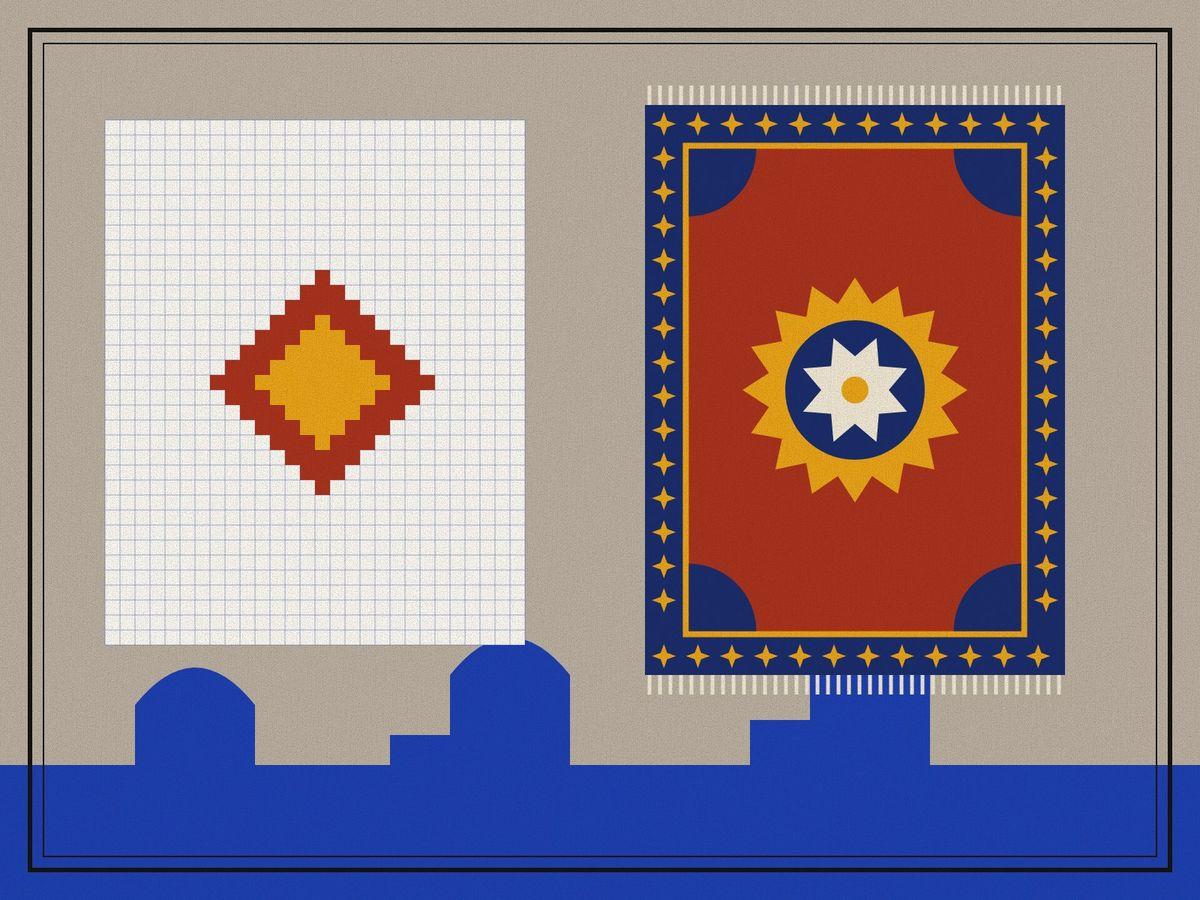
The city workshops
City carpets are woven to a drawn design, in workshops, by many hands. Each city has its own handwriting.