Aspakhu Fire Temple
آتشکده اسپاخوA stone Sasanian building in a village at the edge of Golestan National Park
In the small village of Aspakhu, also written Espakhu, in the western part of North Khorasan near the edge of Golestan National Park, stands a sturdy square building of rough stone. It is identified as a fire temple of the Sasanian era, a place where the sacred fire of the Zoroastrian faith was kept, and it is one of very few buildings of that age still standing in north-eastern Iran.
Its walls are about two metres thick and are pierced by narrow openings shaped like keyholes. Its plain mass is more like a small fortress than the delicate brick shrines of later centuries. Villagers have long called it the kelisa, the “church”, a name the cultural heritage authorities and travellers note is a local tradition rather than a description of its original use.
The temple is the centrepiece of a wider historic landscape. The provincial cultural heritage office lists more than a dozen sites around the village, including castles, tombs and an old mine, and the surrounding district was well settled in the Parthian and Sasanian periods. The village itself keeps traditional mud houses and old trees.
The building was registered as a national monument in January 1978. Today it draws a small but steady stream of visitors, including photographers who come to see the stone walls under the night sky, far from the lights of any city.
Aspakhu Fire Temple through time
Iranian historyThe Pahlavi century and afterدوران پهلوی و پس از آن
Two Pahlavi shahs built railways, universities and a centralised state, while poets, novelists and film-makers created a new Persian culture. The era ended with the revolution of 1979.
- Registered as a national monument of Iran
More in North Khorasanخراسان شمالی
Mofakham Mirror House
A Qajar mirror-work pavilion of the khans of Bojnurd
Belqeys Citadel
The mud-brick ruins of medieval Esfarayen
Besh Qardash
A spring and shrine of “five brothers” outside Bojnurd
Stories from the regionداستانها
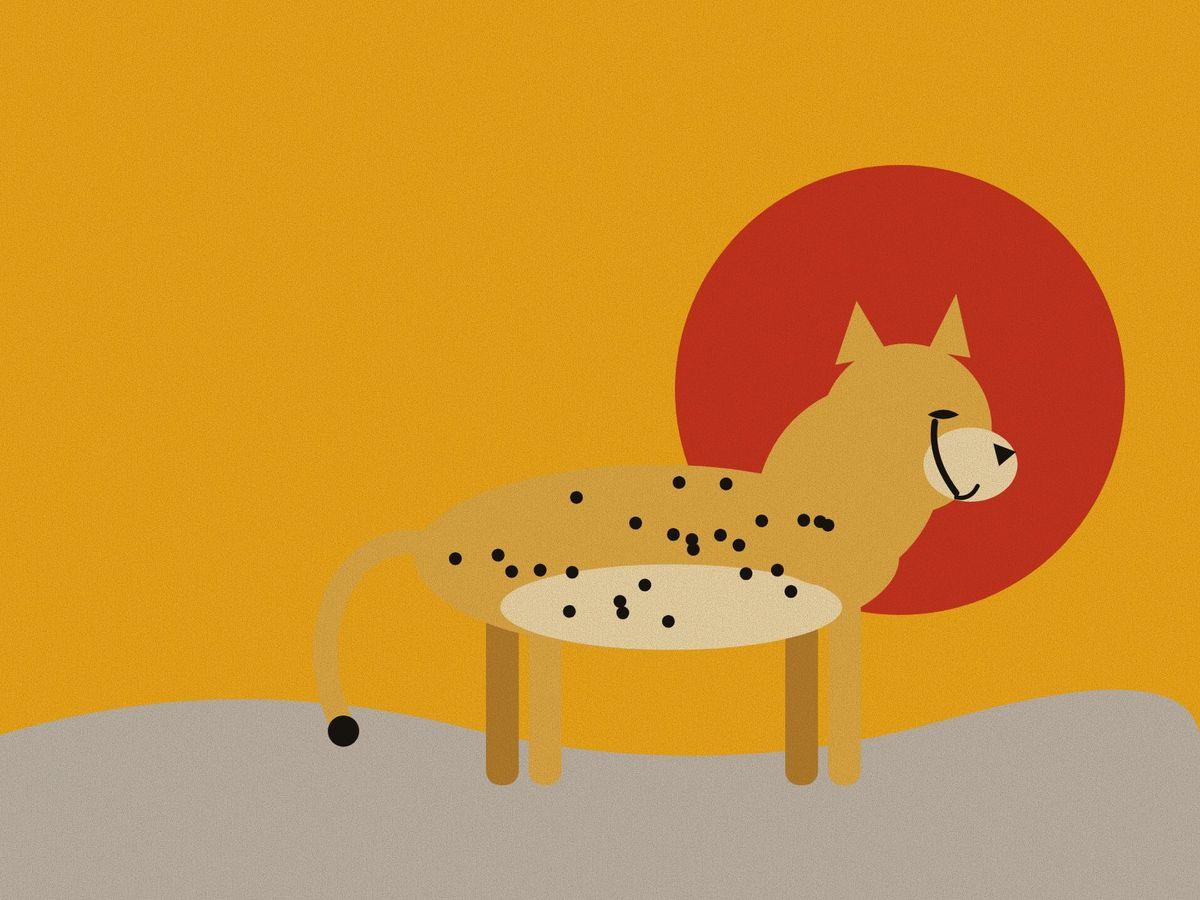
The Asiatic cheetah
Once a hunting companion of kings, now the last of its line: the Asiatic cheetah survives in the wild only in Iran, and only a few dozen are thought to remain.

Kurds
Kurds live across the Zagros and Taurus in Iran, Iraq, Turkey and Syria. In Iran they speak several Kurdish languages, keep several faiths, and light Newroz fires that every Iranian knows.
Seleucids and Parthians
After Alexander, Greek kings ruled Iran for a time, until the Parthians, horsemen from the north-east, built an empire that lasted nearly five centuries and held Rome at bay.