Bayazid Bastami Complex
مجموعه بایزید بسطامیThe shrine of the Sufi Bayazid Bastami in the town of Bastam
In the small town of Bastam, just north of Shahrud in Semnan province, a cluster of brick buildings gathers around the grave of Abu Yazid al-Bastami, known in Persian as Bayazid. He was one of the earliest and most influential Sufi mystics of Islam, who lived and taught in Bastam in the ninth century. His sayings about the soul’s annihilation in God, bold and often startling, were remembered and debated by later Sufis and poets, among them Attar, who gave him a long chapter in his Tadhkirat al-Awliya, the “Memorial of the Saints”.
Bayazid’s own grave is simple, open to the sky in a small courtyard, in keeping with his reputation for humility. Around it, the buildings of later centuries form a large shrine complex. The oldest surviving parts are a Seljuk minaret and section of wall, dated by an inscription to 1120.
Most of the complex dates from the Ilkhanid period, when the Mongol rulers of Iran, newly converted to Islam, became great patrons of the shrine. Under Ghazan Khan and his brother Oljeitu, at the turn of the fourteenth century, it gained a new portal, an iwan, a mosque and fine stucco decoration. Oljeitu was so devoted to the saint that he named his sons after him: Bastam, Bayazid and Tayfur. Nearby rises the Kashaneh, a tall fluted tomb tower of the same period.
The complex was placed on Iran’s national heritage list in 1932 and is on the country’s tentative list for World Heritage status. It remains a place of pilgrimage, quiet and modest, for those who come to honour one of the founding voices of Persian mysticism.
Bayazid Bastami Complex through time
Iranian historySeljuks, Mongols and Ilkhanidsسلجوقیان، مغولان و ایلخانان
Turkic and then Mongol conquerors took Iran in turn. The Seljuks built mosques and colleges; the Mongols brought catastrophe, then, as the Ilkhanids, became patrons of history-writing and art.
- Seljuk minaret built, according to its inscription
- Placed on Iran's national heritage list
More in Semnanسمنان
Dasht-e Kavir
The great salt desert of the central plateau
Tarikhaneh
One of the oldest surviving mosques in Iran
Pir-e Alamdar Tower
An early brick tomb tower in Damghan, dated 1026–27
Stories from the regionداستانها
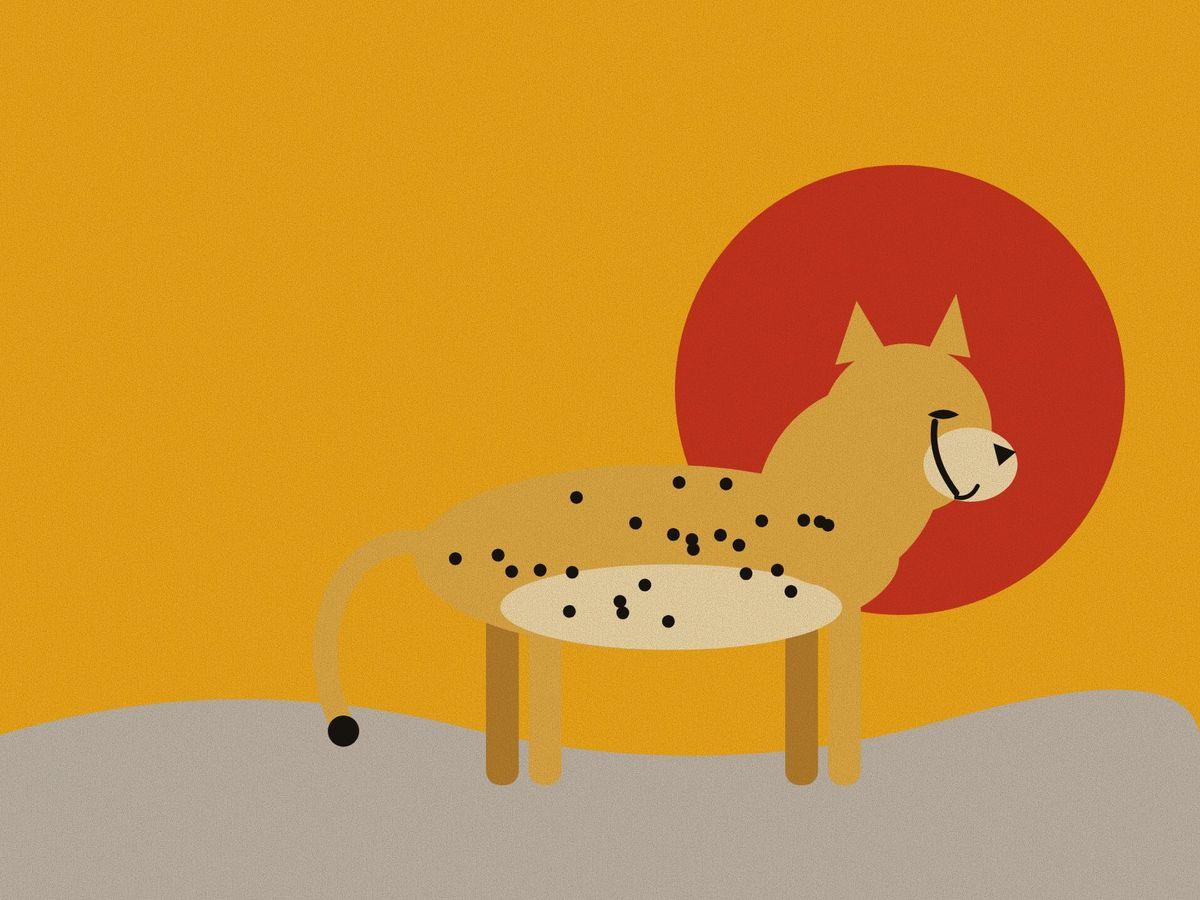
The Asiatic cheetah
Once a hunting companion of kings, now the last of its line: the Asiatic cheetah survives in the wild only in Iran, and only a few dozen are thought to remain.
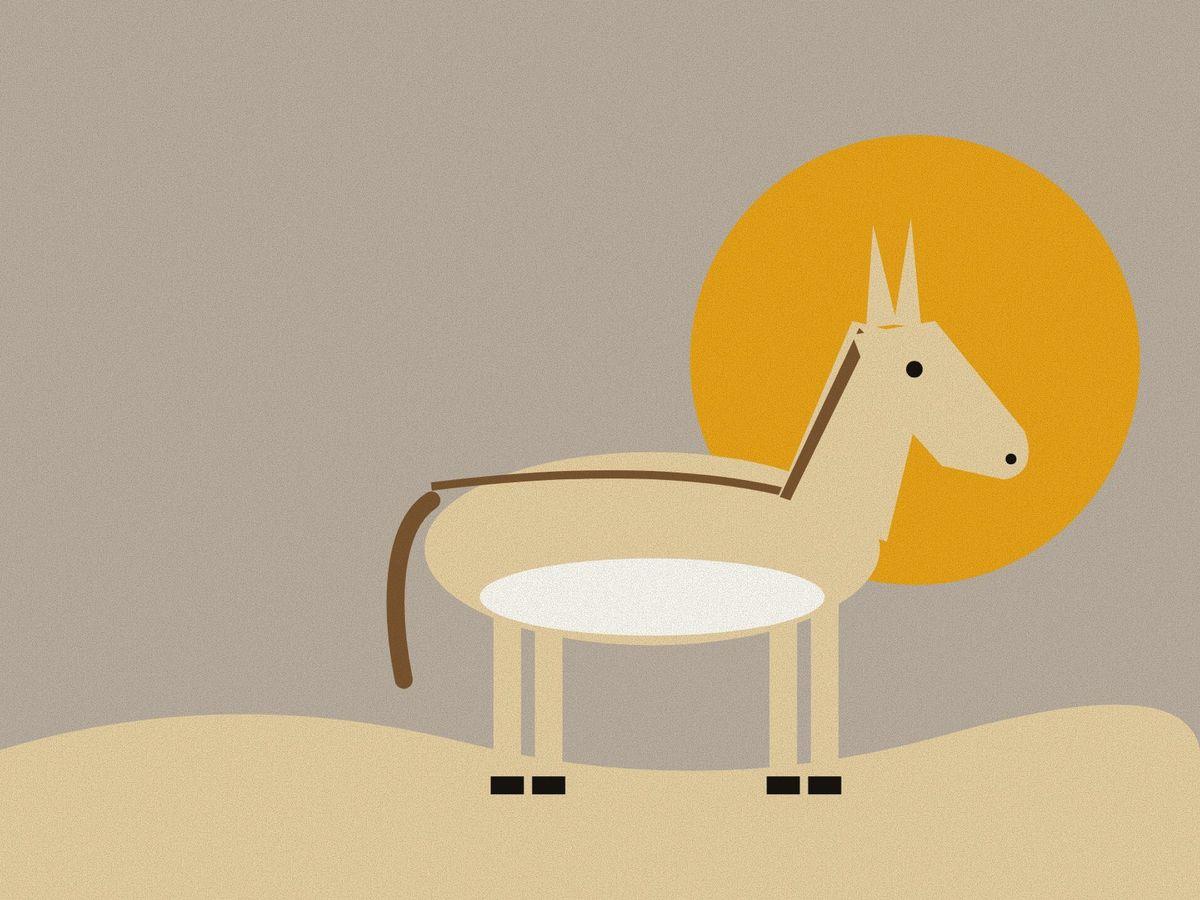
The Persian onager
The wild ass of the plateau gave its name, gur, to the most famous royal hunter in Persian legend, and a pun on that name to Khayyam.

The goitered gazelle
A small, fast desert gazelle, and in Persian poetry the shape of the beloved's eye and the image of a love that will not be caught.