North Khorasan
خراسان شمالیA mountain province on the old road between Khorasan and the Caspian, where Kurdish, Turkic and Persian communities meet.
North Khorasan was created in 2004, when the historic province of Khorasan was divided in three. Its capital, Bojnord, lies in a valley between the Kopet Dagh and Aladagh ranges.
The region is known for its mix of peoples, among them the Kurmanji Kurds settled here by the Safavids to guard the north-eastern frontier, and for the music of its bakhshi bards, recognised by UNESCO.
Cities and towns
Bojnordبجنورد
The provincial capital
Shirvanشیروان
A market town of the Kurmanji Kurds
Esfarayenاسفراین
An old town below the Aladagh
Landmarksبناها و نشانهها
Mofakham Mirror House
آینهخانه مفخمA Qajar mirror-work pavilion of the khans of Bojnurd
Belqeys Citadel
قلعه بلقیسThe mud-brick ruins of medieval Esfarayen
Aspakhu Fire Temple
آتشکده اسپاخوA stone Sasanian building in a village at the edge of Golestan National Park
Besh Qardash
بشقارداشA spring and shrine of “five brothers” outside Bojnurd
North Khorasan through time
Iranian historyThe Pahlavi century and afterدوران پهلوی و پس از آن
Two Pahlavi shahs built railways, universities and a centralised state, while poets, novelists and film-makers created a new Persian culture. The era ended with the revolution of 1979.
- Registered as a national monument of Iran
- Converted into a museum
- Added to Iran's national heritage list
Stories from hereداستانها
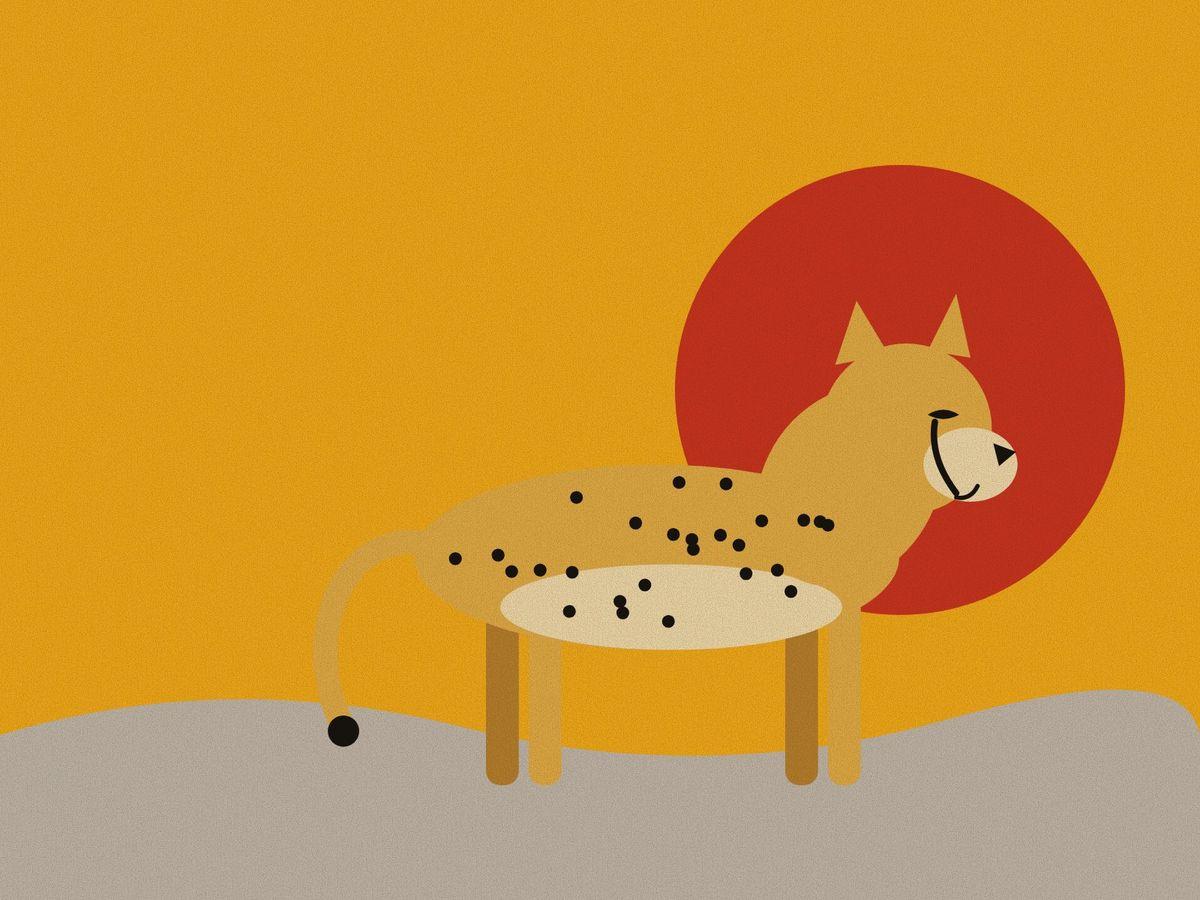
The Asiatic cheetah
Once a hunting companion of kings, now the last of its line: the Asiatic cheetah survives in the wild only in Iran, and only a few dozen are thought to remain.
Seleucids and Parthians
After Alexander, Greek kings ruled Iran for a time, until the Parthians, horsemen from the north-east, built an empire that lasted nearly five centuries and held Rome at bay.
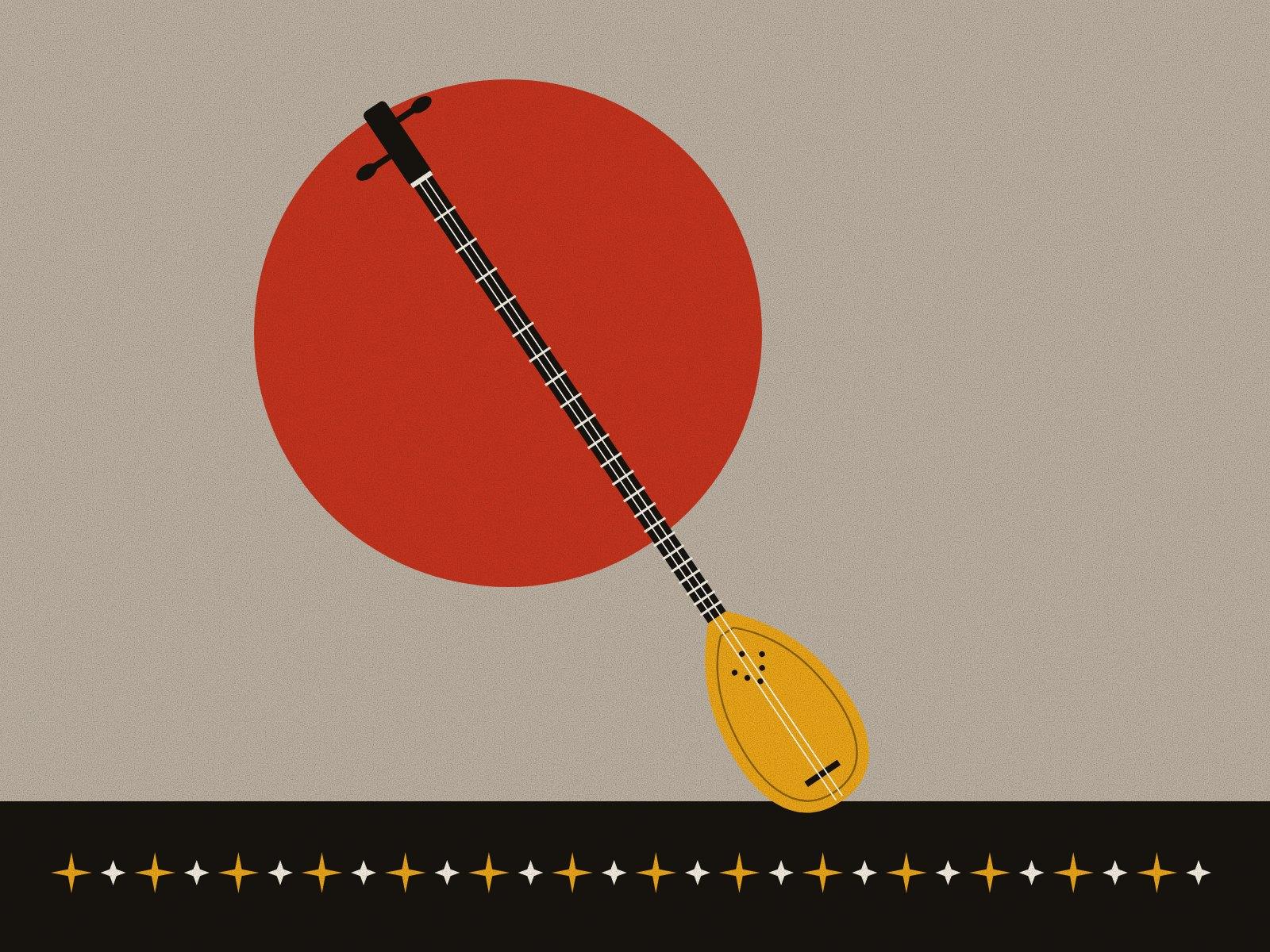
The bakhshis of Khorasan
In northern Khorasan, singers called *bakhshi* tell epics and love stories to the two-stringed dotar, in Kurdish, Turkic, Turkmen and Persian. Their music was inscribed by UNESCO in 2010.