Tajiks
تاجیکهاTajiks speak Persian in Afghanistan, Tajikistan and Uzbekistan. They are heirs of the Samanids and of Rudaki, and their homelands define themselves.
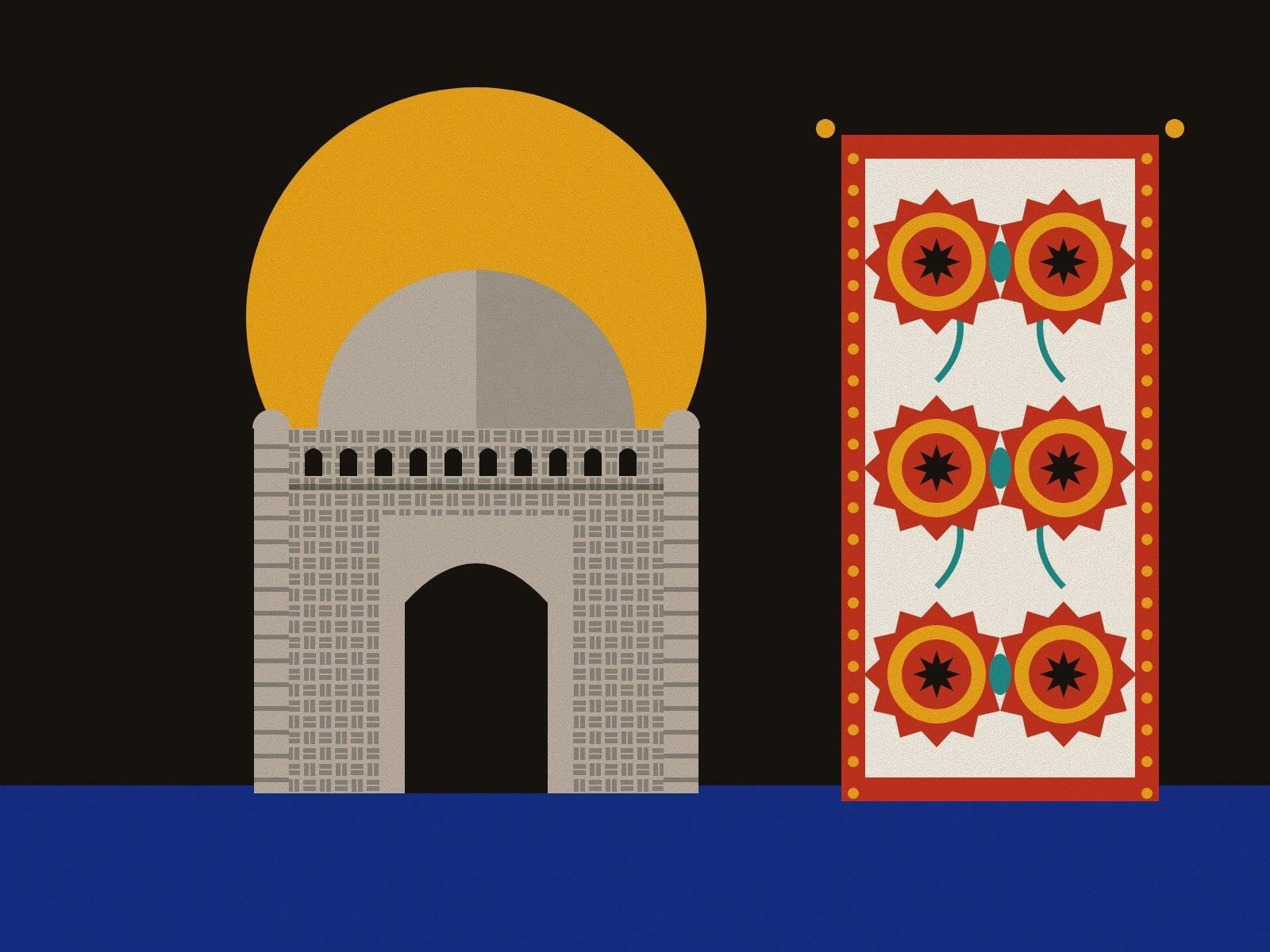
East of Iran, the Persian language lives on in two other countries and in the old cities of a third. Its speakers there are usually called Tajiks, Tojik in Tajikistan and Tājik in Afghanistan. In Tajikistan they are the majority and the state bears their name; in Afghanistan they are one of the country’s largest peoples, strong in Kabul, Herat, Panjshir, Badakhshan and the north; in Uzbekistan Tajik-speaking communities live in and around Samarkand and Bukhara. Each of these countries defines itself, and Tajiks are not Iranians from Iran; but they share with Persians a language and a literature.
The name and the language
The word Tajik has a curious history. It goes back to Middle Persian tāzīk, meaning ‘Arab’, from the name of the Arab tribe of Tayy; later Turkic peoples used it for the Persian-speaking Muslims of Central Asia, and the speakers adopted it. The language is the same Persian that is spoken in Iran, with its own accent and vocabulary. In Afghanistan it is officially called Dari and written in Perso-Arabic script. In Tajikistan it is called Tajik and has been written in Cyrillic since 1940, after a brief period in Latin script.
Heirs of Bukhara
Tajiks look to the Samanids, the Persian dynasty that ruled from Bukhara in the ninth and tenth centuries, as founders. At their court New Persian became a language of poetry, and Rudaki, born near Panjakent in what is now Tajikistan, is honoured as its first great poet. The tomb of the Samanid ruler Ismail in Bukhara is one of the masterpieces of early Islamic brick architecture. In the twentieth century Sadriddin Ayni shaped modern Tajik literature, and Loiq Sherali wrote poems in praise of the Persian language that are loved in Dushanbe, Kabul and Tehran alike. Bidel, born in India, is the poet Afghans and Tajiks quote above almost all others.
Rudaki, born near Panjakent in what is now Tajikistan, is honoured as its first great poet.
What is kept
Navruz is the great festival, with sumanak, a sweet paste of sprouted wheat stirred through the night by women singing. Shashmaqam, the classical suite of six modes shared by Tajiks and Uzbeks of Bukhara and Samarkand, was inscribed by UNESCO in 2008, and the mountain song falak carries the sorrow of the high valleys. Tajik homes welcome guests with a dastarkhan of bread, fruit and tea, and osh, rice with carrots and meat, is the dish of every gathering. Embroidered suzani hangings and skullcaps are worn and given at weddings.
Modern history has been hard. Tajikistan, independent since 1991, suffered a civil war from 1992 to 1997. Tajiks in Afghanistan have lived through decades of war. The Pamiri peoples of Badakhshan, many of them Ismaili Muslims, speak distinct Eastern Iranian languages and are often counted as Tajiks by the state while keeping their own identity. Through all of it, the Persian ghazal has remained a shared home.
Poetsشاعران
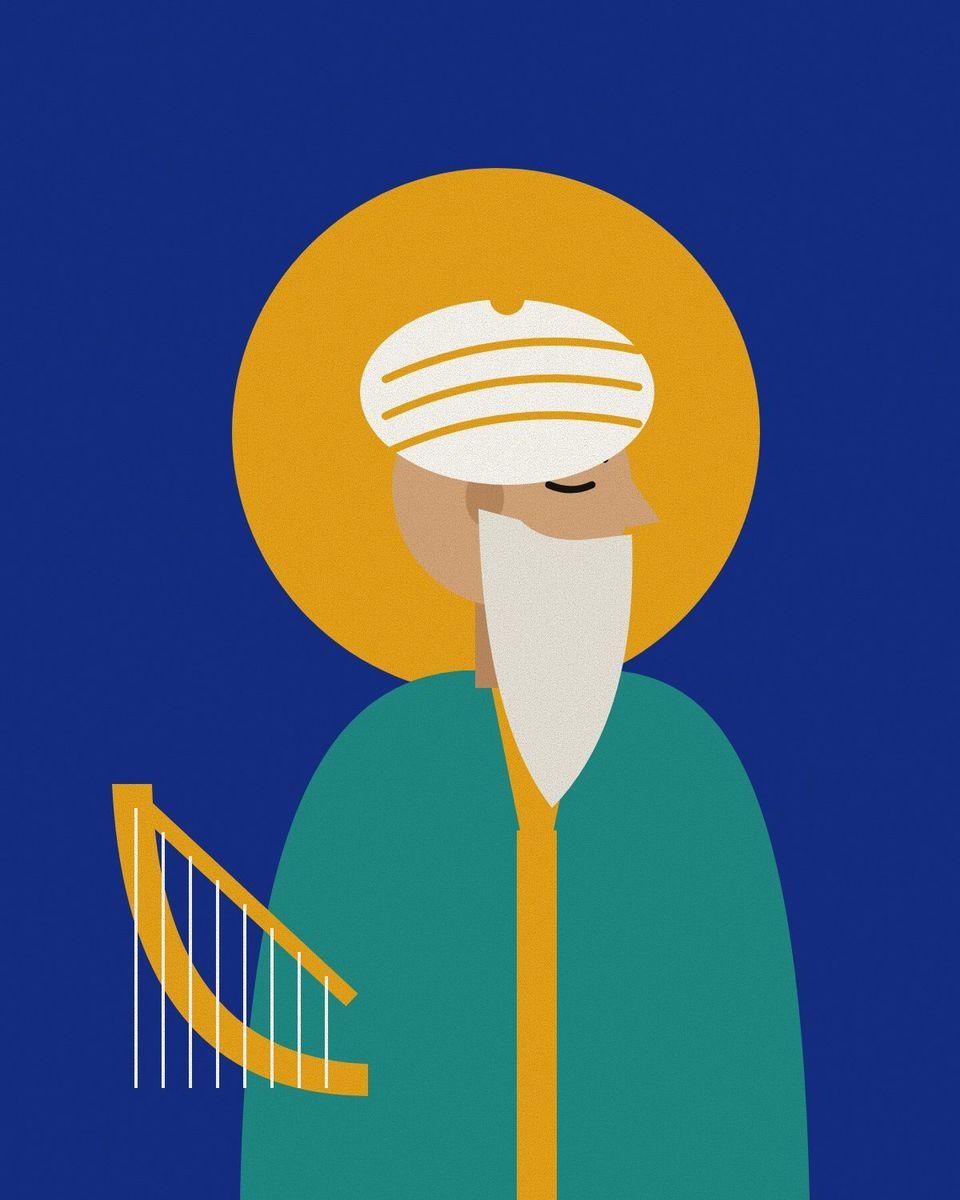
Rudaki
رودکیPoet of the Samanid court at Bukhara, honoured in Persian tradition as the father of Persian poetry.
Loiq Sher-Ali
لایق شیرعلیTajikistan's best-loved modern poet, who made the Persian language and its classical heritage his great theme.
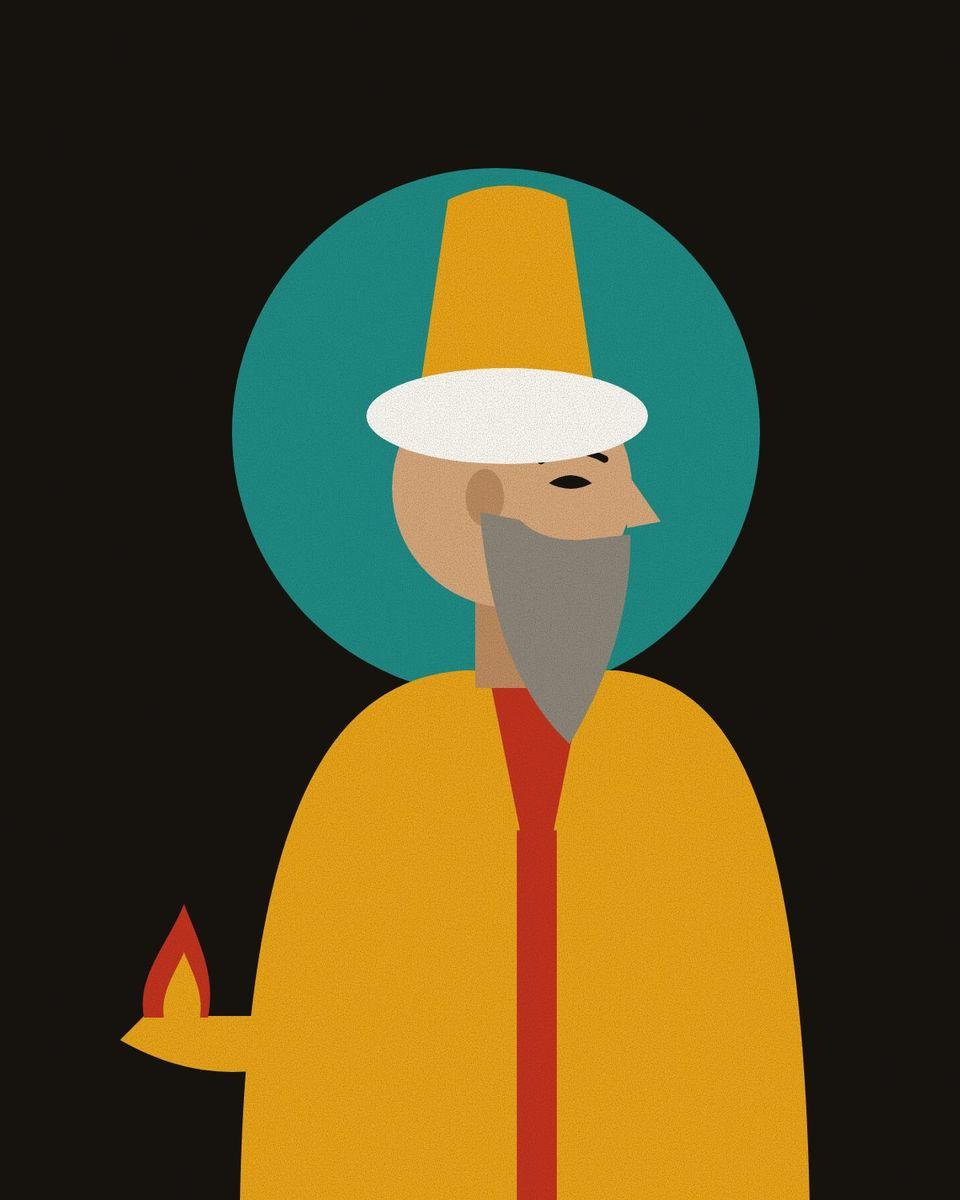
Bidel Dehlavi
بیدل دهلویPersian poet of Mughal India, master of the late Indian style, loved above all in Afghanistan and Central Asia.
Across Cultureپیوندها

Languages
Persian
Spoken in Tehran, Kabul and Dushanbe under three names and written in two alphabets, Persian is one language with three national standards and a thousand years of shared poetry.

Faiths
Ismailis
A Shia community that follows a living Imam, with roots in Fatimid Cairo, the castles of Alamut and the high valleys of the Pamirs.
Music
Shashmaqam
Six great suites of song and instrumental music, crystallised at the court of Bukhara and sung in Tajik Persian and Uzbek: the Shashmaqam is the classical music of Tajikistan and Uzbekistan, and each nation defines it as its own.
More from Peoplesمردمان
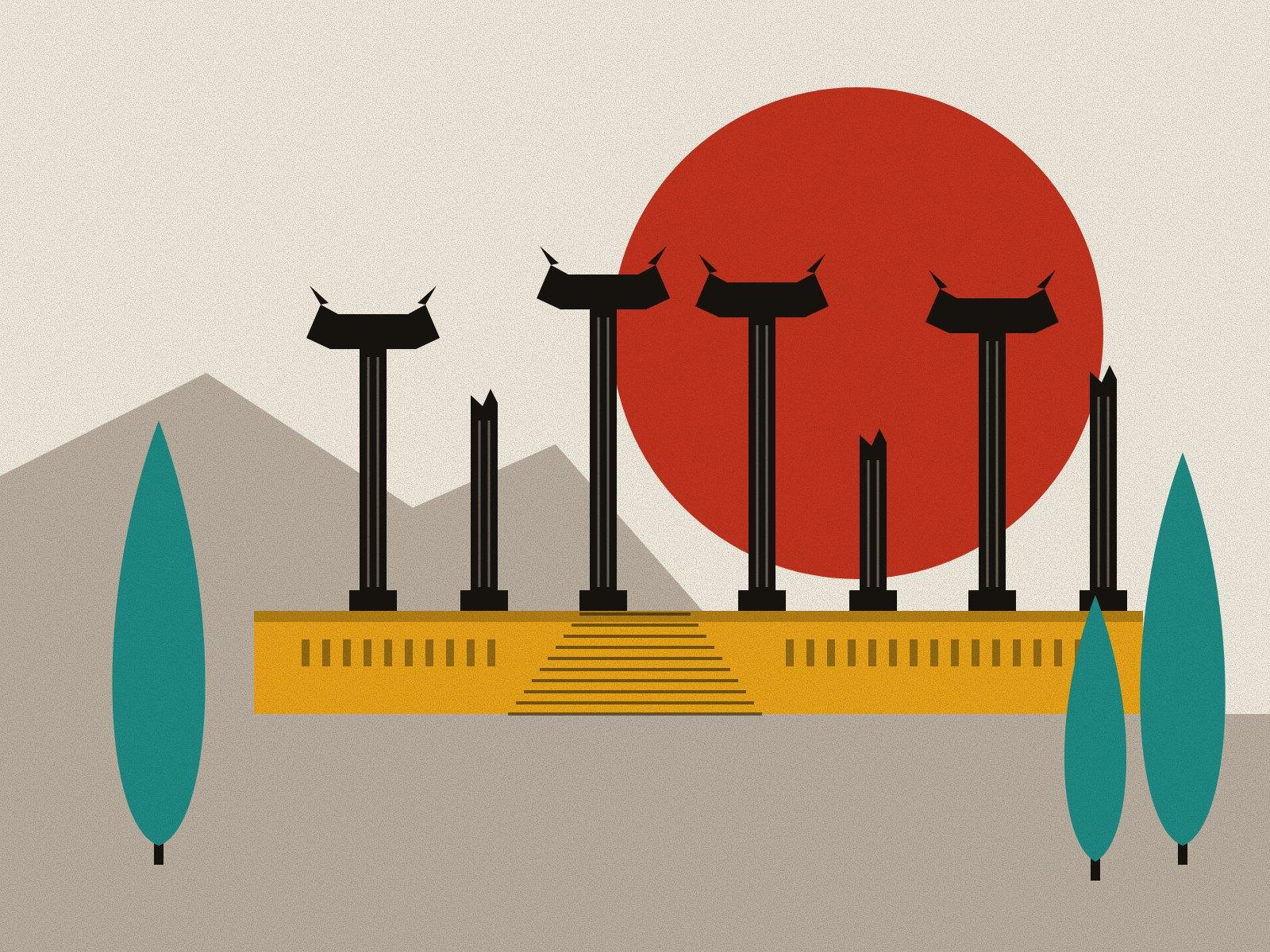
Persians
Persian speakers of Iran call themselves *Fars* or simply *Irani*. They are one people among many in Iran, and their language became a shared tongue for far more than themselves.
Azerbaijanis
Iran’s Azerbaijanis, who often call themselves *Türk*, speak a Turkic language in a land named after an Iranian satrap. North of the Aras, the Republic of Azerbaijan is a separate nation that defines itself.

Kurds
Kurds live across the Zagros and Taurus in Iran, Iraq, Turkey and Syria. In Iran they speak several Kurdish languages, keep several faiths, and light Newroz fires that every Iranian knows.