Kabul
کابلKabul and its valleys, a Persian-speaking city at the crossroads of Central and South Asia.
Kabul has been a strategic city for millennia, on the routes between the Iranian plateau, Central Asia and India. Babur, founder of the Mughal dynasty, loved it above his other cities and asked to be buried in the garden he laid out here, the Bagh-e Babur.
Dari, the Persian of Afghanistan, is the city's common language, and Kabul has long been a centre of Persian poetry and music.
In the Shahnameh
In the Shahnameh, Rudabeh, mother of Rostam, is a princess of Kabul, and her love for Zal is one of the epic's great romances.
- KabulRudabeh's city, and the place where Rostam meets his end
Cities and towns
Kabulکابل
The capital in its ring of mountains
Jalalabadجلالآباد
A warm valley town on the road to the Khyber
Charikarچاریکار
Gateway to the Panjshir and the Salang
Landmarksبناها و نشانهها
Babur's Garden
باغ بابرThe terraced garden where Babur is buried
Darul Aman Palace
کاخ دارالامانKing Amanullah's neoclassical palace, ruined in war and restored a century on
National Museum of Afghanistan
موزه ملی افغانستانThe museum whose staff hid the Bactrian gold
Kabul through time
Iranian historyThe Safavidsصفویان
The Safavids made Twelver Shia Islam Iran's state religion and rebuilt Isfahan as one of the most admired cities in the world.
- Babur dies in Agra
- Afghanistan gains full independence under Amanullah Khan
- National Museum founded
- Amanullah Khan abdicates before his new capital is completed
- Bactrian gold excavated at Tillya Tepe
- Aga Khan Trust begins restoring the garden
- Hidden Bactrian gold found intact in Central Bank vaults
- Restoration largely completed for the centenary of independence
Poets of Kabulشاعران
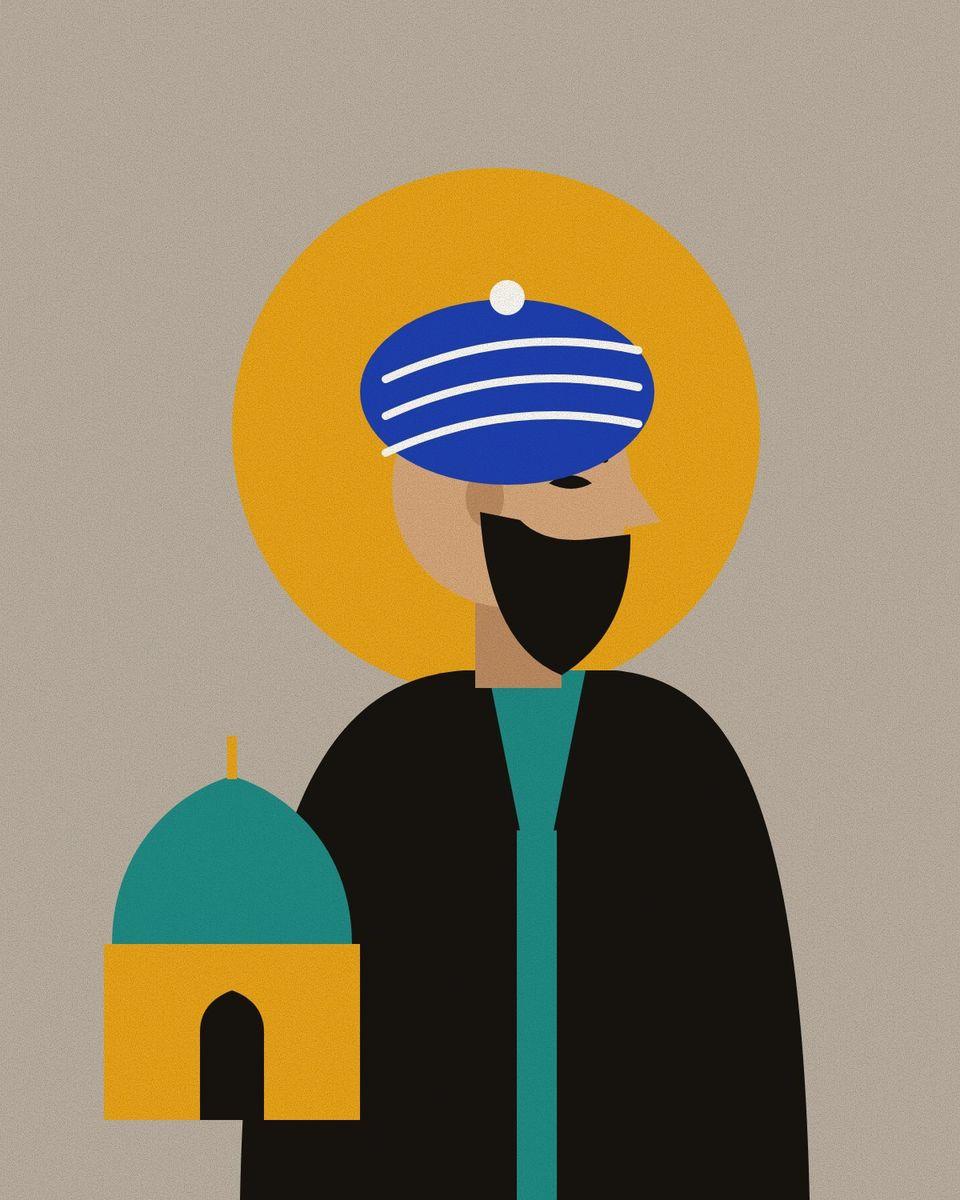
Saeb Tabrizi
صائب تبریزیPoet laureate of Safavid Isfahan and the leading Iranian master of the Indian style.
Khalilullah Khalili
خلیلالله خلیلیAfghanistan's foremost Persian poet of the 20th century: courtier, historian, diplomat and, at the end, an exile.
Siavash Kasraei
سیاوش کسراییPoet of Arash the Archer, who retold an ancient Iranian legend of sacrifice in the new verse of Nima.
Peoples, languages and faithsمردم، زبان و دین
Stories from hereداستانها
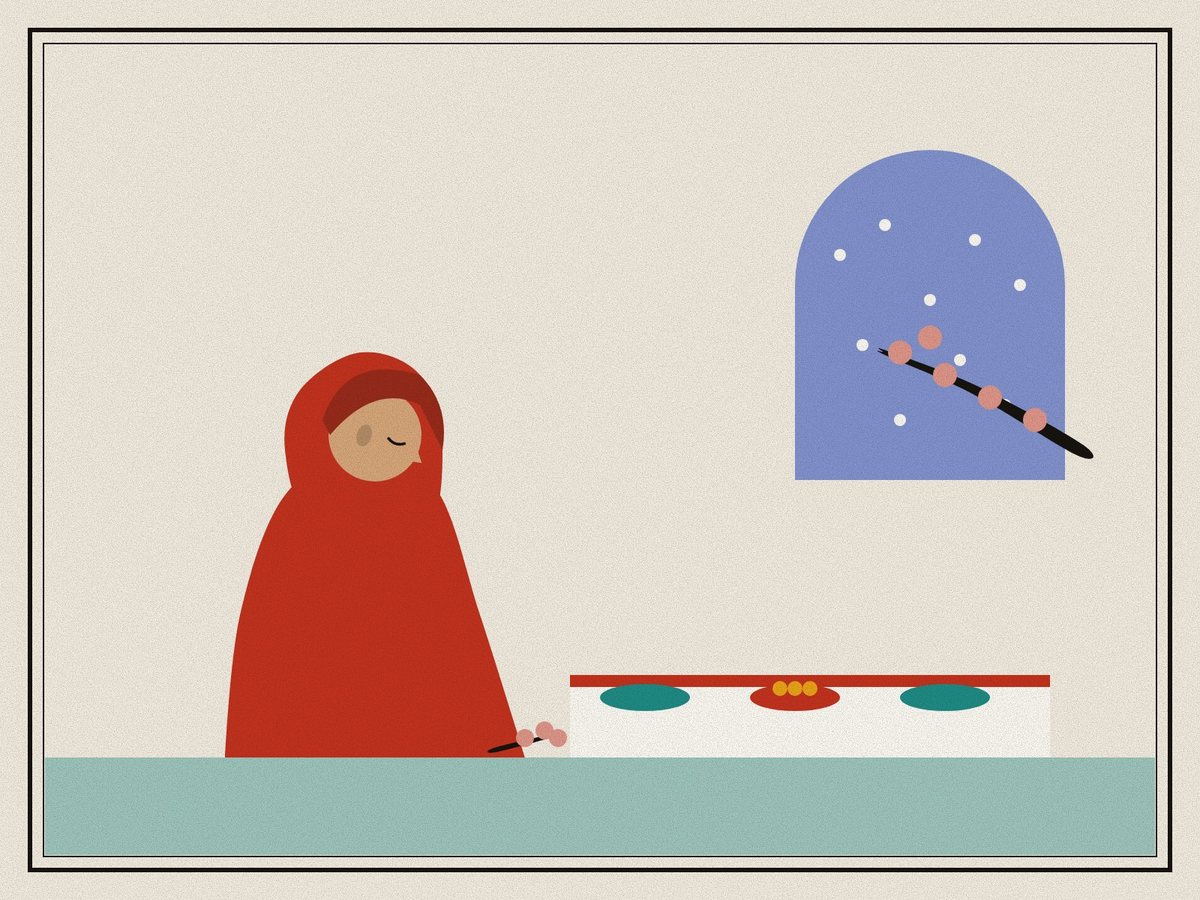
Nane Sarma
Old Mother Cold, who prepares all winter for Amu Nowruz, Uncle New Year, and falls asleep just before he arrives.

Sizdah Bedar
On the thirteenth day of the new year, families leave their homes for parks, rivers and hillsides, throw the sabzeh from the haft-sin into running water and knot blades of grass for a wish. In Iran it is officially Nature Day.
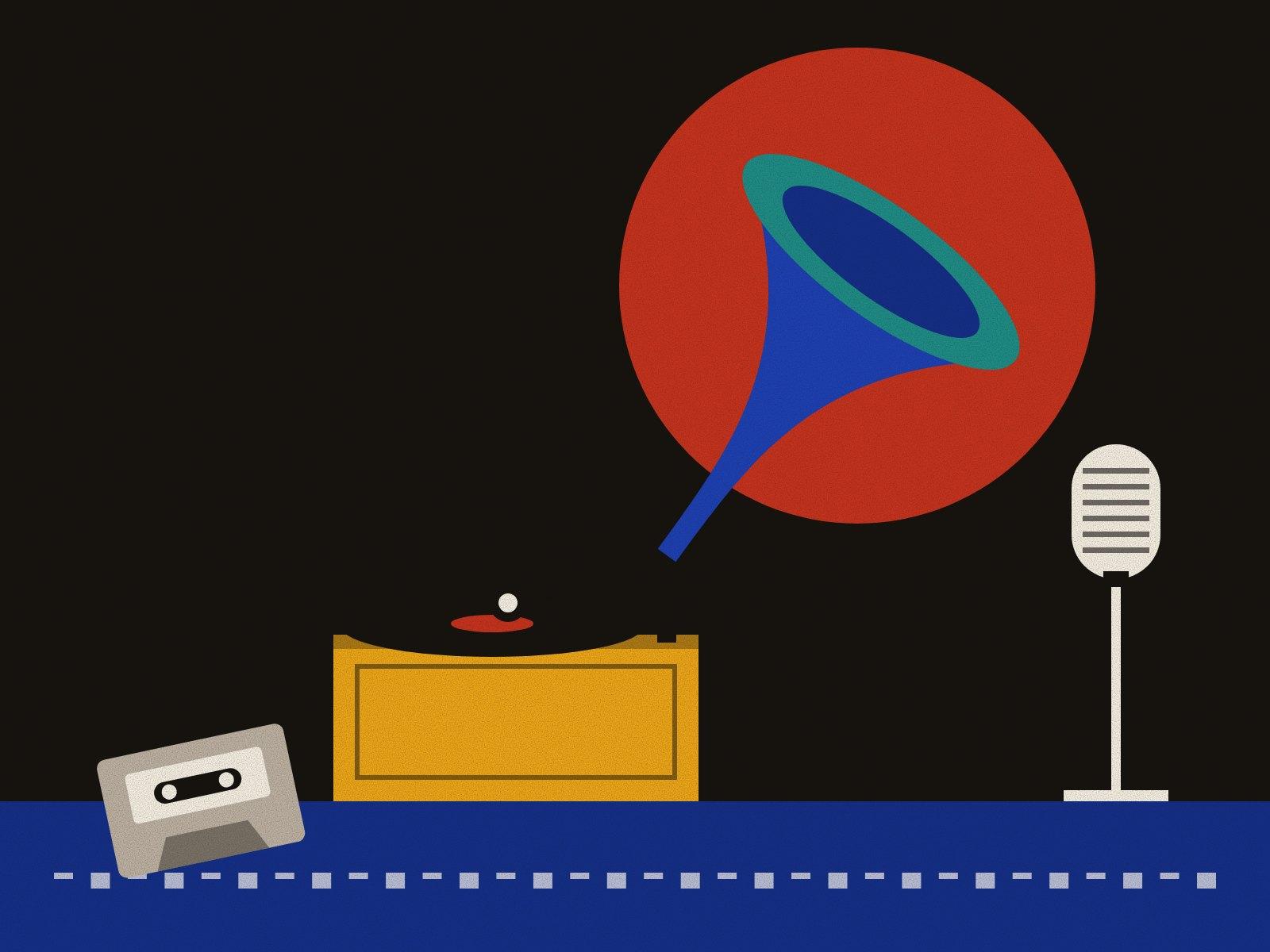
The twentieth century
A century of change: notation and the conservatory, the Golha radio programmes, a pop era, the transformations after 1979 and a diaspora scene centred on Los Angeles.