Bushehr Old Town
بافت قدیم بوشهرThe coral-stone port quarter of Bushehr, with its wooden balconies
The old town of Bushehr, known in Persian as the bafte-ye ghadim, the “old fabric”, fills the northern tip of a peninsula reaching into the Persian Gulf. Its narrow lanes run between tall houses built of coral stone and plaster, with deep wooden balconies, carved doors and latticed windows that let the sea breeze move through the rooms while keeping out the sun.
Bushehr grew from a small fishing town into a major port in the eighteenth century, when Nader Shah made it the base for his new Gulf fleet in the 1730s. In 1763 the British East India Company moved its main Gulf trading post here, and for more than a century Bushehr was Iran’s chief port on the Gulf, a gateway for merchants, diplomats and travellers entering the country. Its people were a mix of Persians, Arabs, Armenians, Indians, Jews and others, and the old town reflects that mix.
The quarter is traditionally made up of four neighbourhoods, Behbahani, Dehdashti, Kuti and Shanbadi. Among the historic houses and merchant mansions, now partly restored, stand an Armenian church of the early nineteenth century, old mosques and the former customs and consular buildings. The town is also the home of a strong musical tradition, from fishermen’s songs to the drums of Muharram.
During the First World War British forces occupied Bushehr in 1915, and local fighters from Tangestan and Dashtestan resisted them, a chapter remembered in the region today. Walking the lanes of the old town at dusk, with the call to prayer and the sound of the sea, gives a vivid sense of the cosmopolitan Gulf port Bushehr once was.
Bushehr Old Town through time
Iranian historyThe Safavidsصفویان
The Safavids made Twelver Shia Islam Iran's state religion and rebuilt Isfahan as one of the most admired cities in the world.
- Nader Shah makes Bushehr his fleet's base
- East India Company moves its Gulf post to Bushehr
- British forces occupy Bushehr
More in Bushehrبوشهر
Siraf
Ruins of a medieval port that traded with China and East Africa
Kharg Island
A Gulf island of an early Christian monastery, a Dutch fort and an oil terminal
Nayband Marine Park
A bay of mangroves, coral and nesting turtles near Asaluyeh
Stories from the regionداستانها
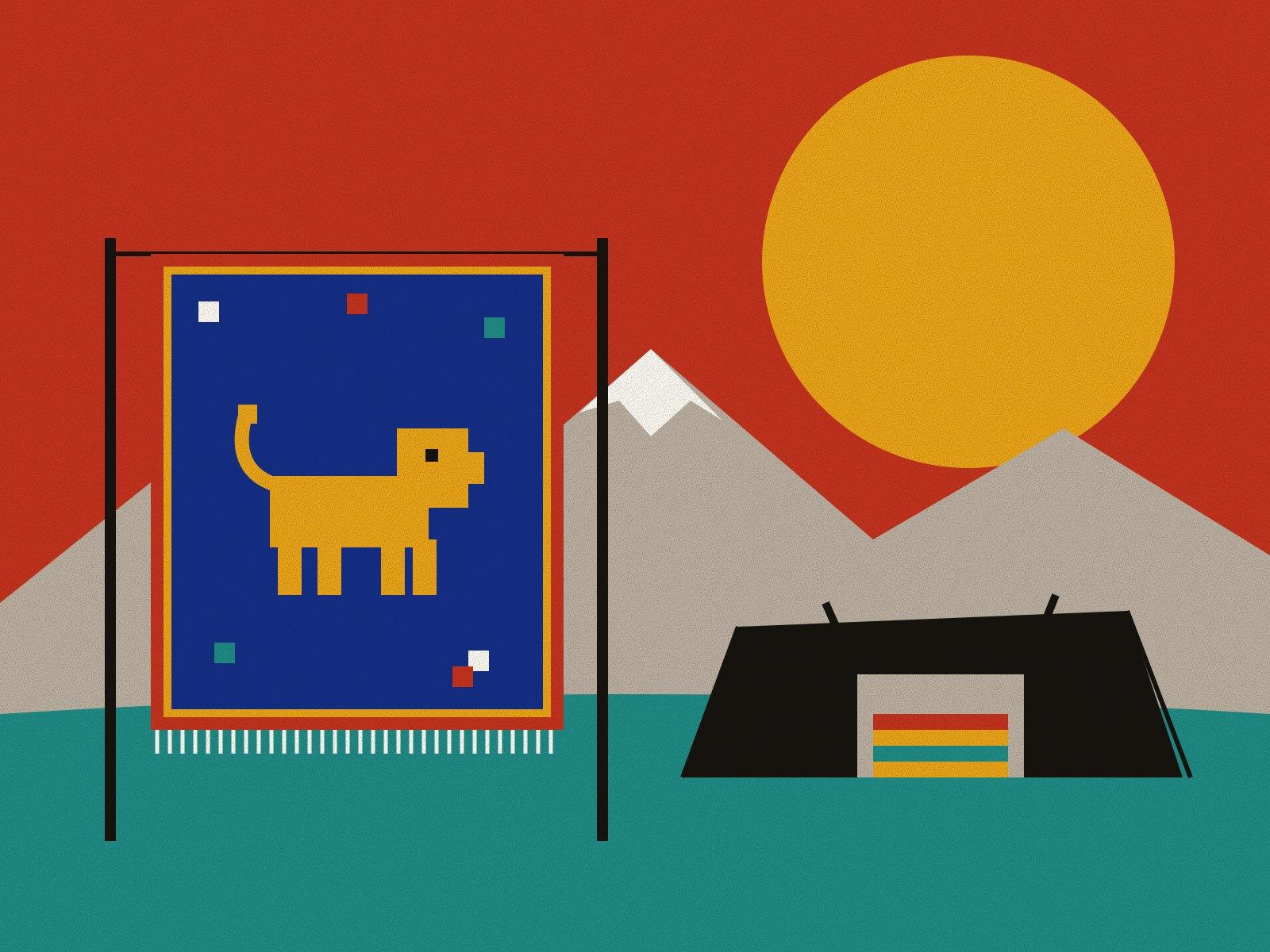
Qashqai
The Qashqai are a Turkic-speaking tribal confederation of Fars, famous for one of Iran’s longest migrations, for their gabbehs and kilims, and for women’s dress of many coloured skirts.
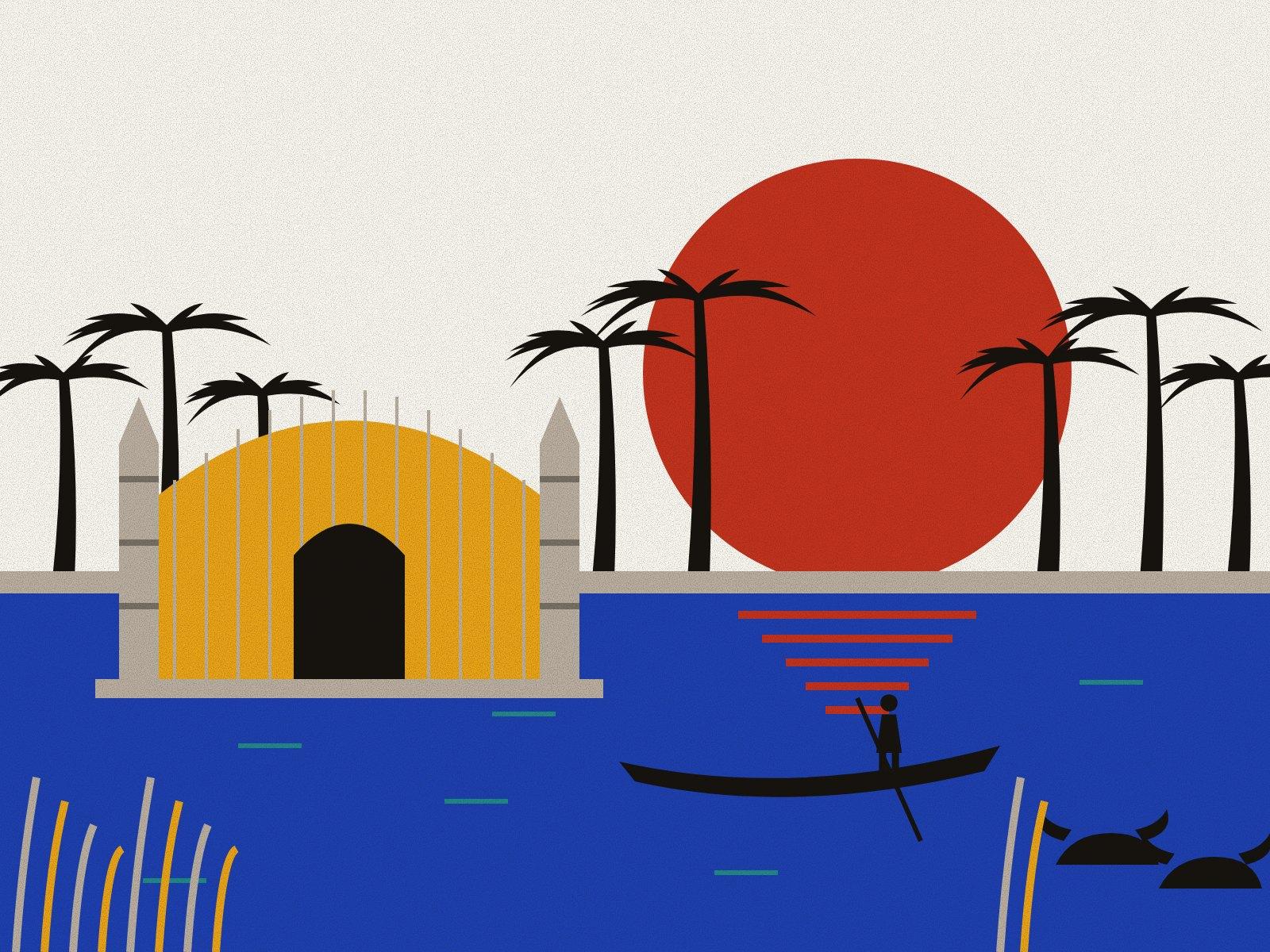
Arabs of Iran
Iran’s Arabs live mainly in Khuzestan and along the Gulf coast. Their Arabic dialects, tribal poetry, coffee and date palms are as old in Iran as any city on the plain.

Arabic in Iran
Arabic is spoken as a mother tongue in Khuzestan and along the Gulf coast, recited in every mosque, and woven so deeply into Persian that no sentence of literary Persian is free of it.