Jameh Mosque of Yazd
مسجد جامع یزدA tiled portal and twin minarets rising over the old city
The Jameh Mosque, the Friday Mosque of Yazd, rises above the mud-brick lanes of the old city. Its tall entrance portal, faced with tile and flanked by two slender minarets, can be seen from many of the city's rooftops, among its windcatchers. It is the main congregational mosque of a city that the Silk Road, the desert and its own faith communities, Muslim and Zoroastrian, have shaped for many centuries.
A mosque stood here before the Mongol period, but little of the earlier building survives. The mosque we see largely dates from a rebuilding begun in the 1320s under the Ilkhanids, during the reign of Abu Sa'id, which gave it its portal, main iwan and domed sanctuary. The minarets are later additions, and at about 52 metres they are among the tallest in Iran, though sources differ on the exact height.
The tilework is the glory of the building. Inside the portal and the sanctuary, mosaic tiles in deep blue, turquoise and white form dense geometric stars and bands of inscription, and the dome chamber's mosaic mihrab is one of the finest of its period. In the cool of the sanctuary the light falls softly on the tiles, a contrast with the glare of the courtyard.
The mosque is part of the Historic City of Yazd, inscribed by UNESCO in 2017 as a living desert city of mud-brick houses, qanats and windcatchers. Visit in the early morning or at dusk, when the portal catches the light and the call to prayer carries over the rooftops.
Jameh Mosque of Yazd through time
Iranian historySeljuks, Mongols and Ilkhanidsسلجوقیان، مغولان و ایلخانان
Turkic and then Mongol conquerors took Iran in turn. The Seljuks built mosques and colleges; the Mongols brought catastrophe, then, as the Ilkhanids, became patrons of history-writing and art.
- Ilkhanid rebuilding of the mosque begins
- Historic City of Yazd inscribed by UNESCO
More in Yazdیزد
Dowlat Abad Garden
Home to one of the tallest windcatchers in Iran
Yazd Atash Behram
The fire temple of Yazd
Chak Chak (Pir-e Sabz)
The most sacred Zoroastrian mountain shrine, in a desert cliff
Nayband
A terraced oasis village alone in the desert south of Tabas
Stories from the regionداستانها
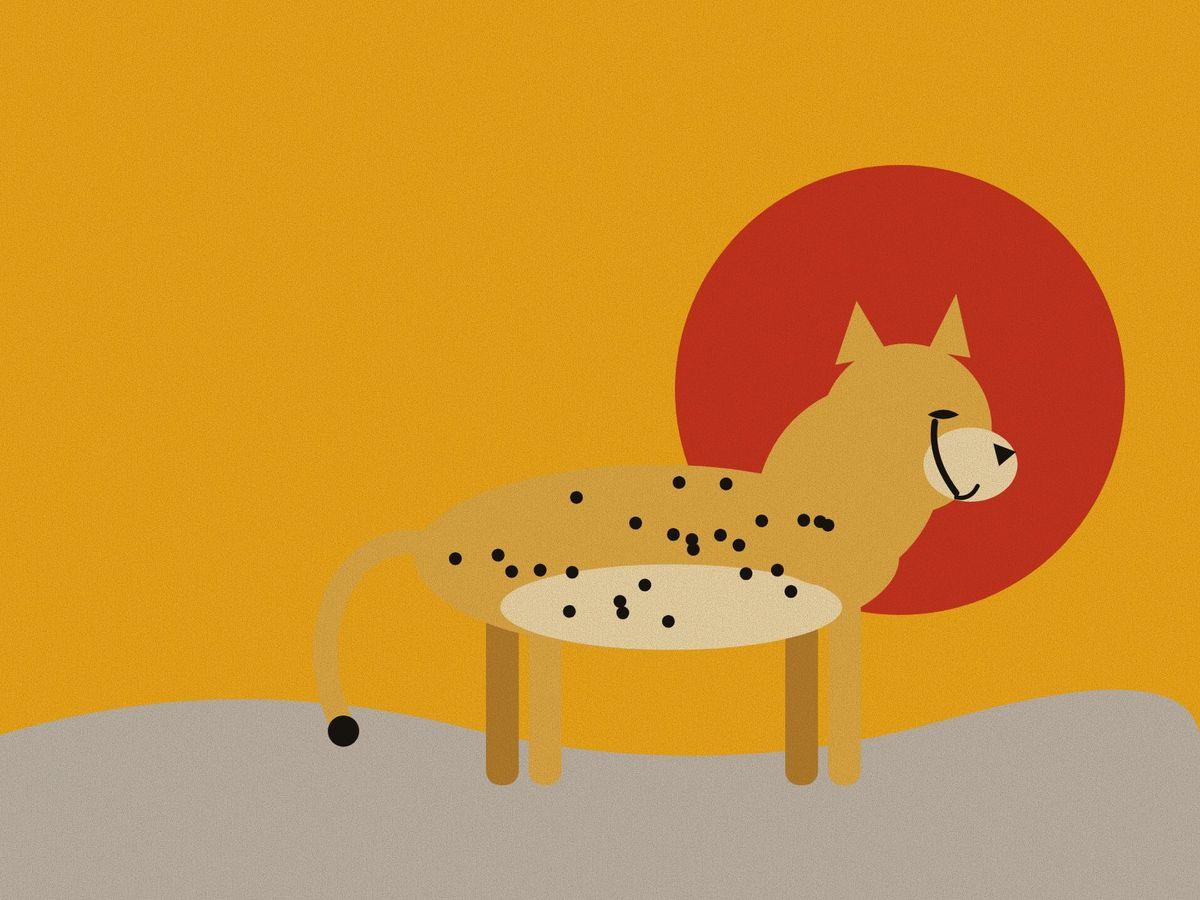
The Asiatic cheetah
Once a hunting companion of kings, now the last of its line: the Asiatic cheetah survives in the wild only in Iran, and only a few dozen are thought to remain.

Zoroastrianism
Good thoughts, good words, good deeds: the faith of Zarathushtra, kept by its followers in Yazd, Kerman, Tehran, Mumbai and far beyond.

Ahura Mazda and Ahriman
The Wise Lord and the Hostile Spirit: the oldest Iranian account of a world in which every person takes a side, and the moral heart of a faith still practised today.