Besh Qardash
بشقارداشA spring and shrine of “five brothers” outside Bojnurd
A short drive south of Bojnurd, on the road towards Esfarayen, a mineral spring rises at the foot of a rocky hill and feeds a chain of pools shaded by trees. Its name, Besh Qardash, means “five brothers” in the Turkic language of the region, and it has long been one of the best-loved places of rest and pilgrimage for the people of Bojnurd.
A local legend explains the name. Five brothers, or in some tellings five siblings, fleeing from a tyrant, were trapped against the mountain, which opened and hid them inside the rock. The spring is said to flow from the place where they disappeared. Stories of saints and fugitives sheltered by the earth are found across Iran, and here the tale has given a sacred air to a cool and green spot in an otherwise dry landscape.
Beside the spring stands a tiled mausoleum, and the grounds have been laid out over the years with pavilions, paths and pools. The buildings are of the Qajar and Pahlavi periods, and the site was added to the national heritage list in 2002.
On spring and summer weekends families from Bojnurd come here to picnic by the water, as they have for generations. The place shows the mix of faith, folklore and pleasure that gathers around water in Iran, where a spring is never just a source but also a story and a place to meet.
Besh Qardash through time
Iranian historyThe Pahlavi century and afterدوران پهلوی و پس از آن
Two Pahlavi shahs built railways, universities and a centralised state, while poets, novelists and film-makers created a new Persian culture. The era ended with the revolution of 1979.
- Added to Iran's national heritage list
More in North Khorasanخراسان شمالی
Mofakham Mirror House
A Qajar mirror-work pavilion of the khans of Bojnurd
Belqeys Citadel
The mud-brick ruins of medieval Esfarayen
Aspakhu Fire Temple
A stone Sasanian building in a village at the edge of Golestan National Park
Stories from the regionداستانها
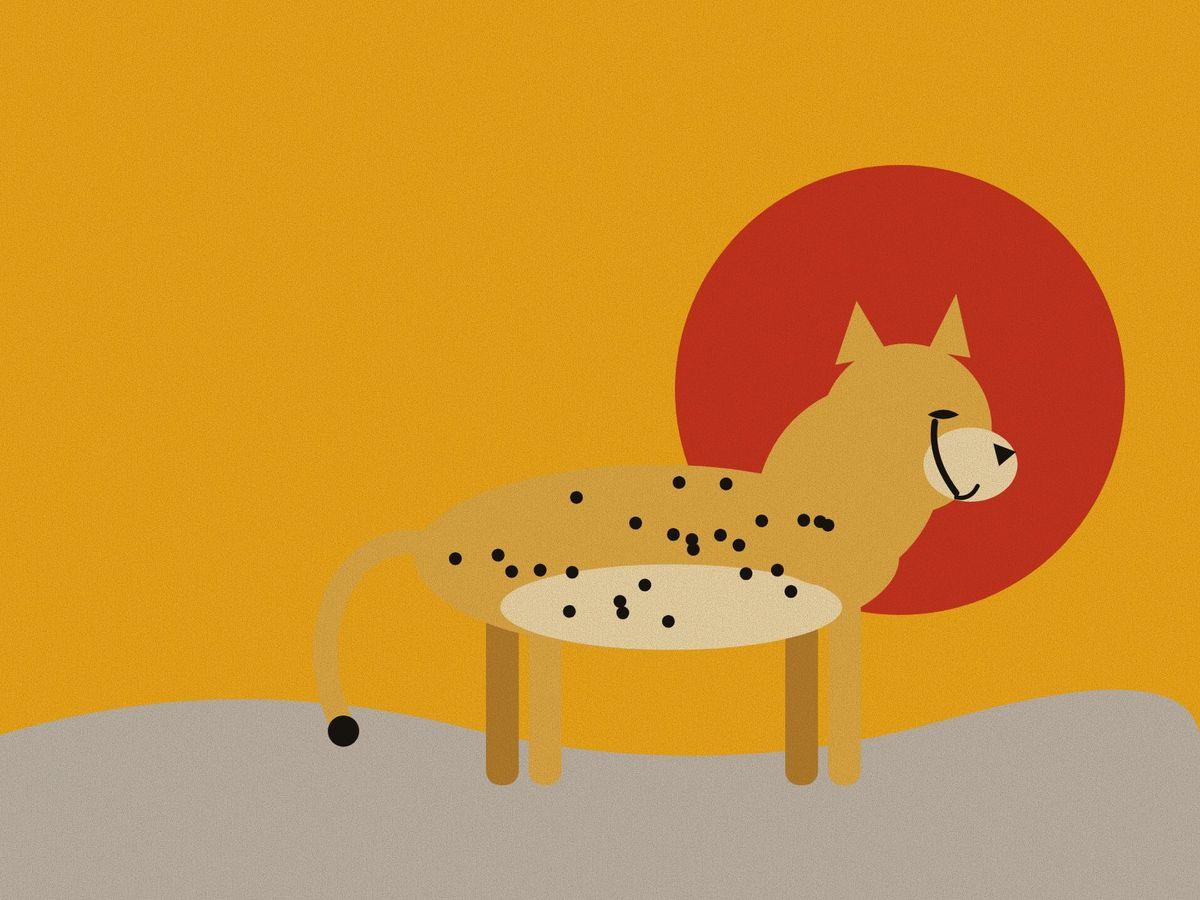
The Asiatic cheetah
Once a hunting companion of kings, now the last of its line: the Asiatic cheetah survives in the wild only in Iran, and only a few dozen are thought to remain.

Kurds
Kurds live across the Zagros and Taurus in Iran, Iraq, Turkey and Syria. In Iran they speak several Kurdish languages, keep several faiths, and light Newroz fires that every Iranian knows.
Seleucids and Parthians
After Alexander, Greek kings ruled Iran for a time, until the Parthians, horsemen from the north-east, built an empire that lasted nearly five centuries and held Rome at bay.