Rudkhan Castle
قلعه رودخانA forest fortress of brick walls across two wooded peaks
Rudkhan Castle stands deep in the Hyrcanian forest of Gilan, about 20 kilometres south-west of the town of Fuman. Its brick and stone walls run for about one and a half kilometres along the ridges of two wooded peaks, at around 670 and 715 metres, with dozens of towers. In the mist that often fills the valley, it looks like a fortress from a legend.
When it was first built is not known with certainty. Many historians believe it has Sasanian origins and was rebuilt in the Seljuk period, and some accounts link its rebuilding to the Nizari Isma'ilis, whose castles studded the Alborz in the eleventh and twelfth centuries. An inscription records a renovation in the 1530s or early 1540s for a local ruler, Sultan Hesam al-Din, and for a time it was known as the Hesami fort. It remained in use into the eighteenth century.
The castle has two main parts: the arg, the residential citadel, on one peak, and the military quarters on the other, with gates, cisterns, a bathhouse and barracks between them. A river flows below, which may explain the name, often understood as “river fort”. Because the slopes are steep and the forest dense, the castle could only be approached on foot, as it still is today.
Visitors climb a long stone stairway through the woods from the car park by the river, which is why many Iranians call it Hezar Pelleh, “a thousand steps”. The climb takes about an hour, and in spring and autumn the beech and hornbeam forest around it is at its most beautiful.
Rudkhan Castle through time
Iranian historyThe Safavidsصفویان
The Safavids made Twelver Shia Islam Iran's state religion and rebuilt Isfahan as one of the most admired cities in the world.
- Renovation for Sultan Hesam al-Din begins
More in Gilanگیلان
Masuleh
A stepped mountain village where roofs are streets
Anzali Lagoon
A Caspian lagoon of reeds, lotus flowers and wintering birds
Tomb of Sheikh Zahed Gilani
A Sufi master's shrine under a stepped roof of glazed tile
Stories from the regionداستانها
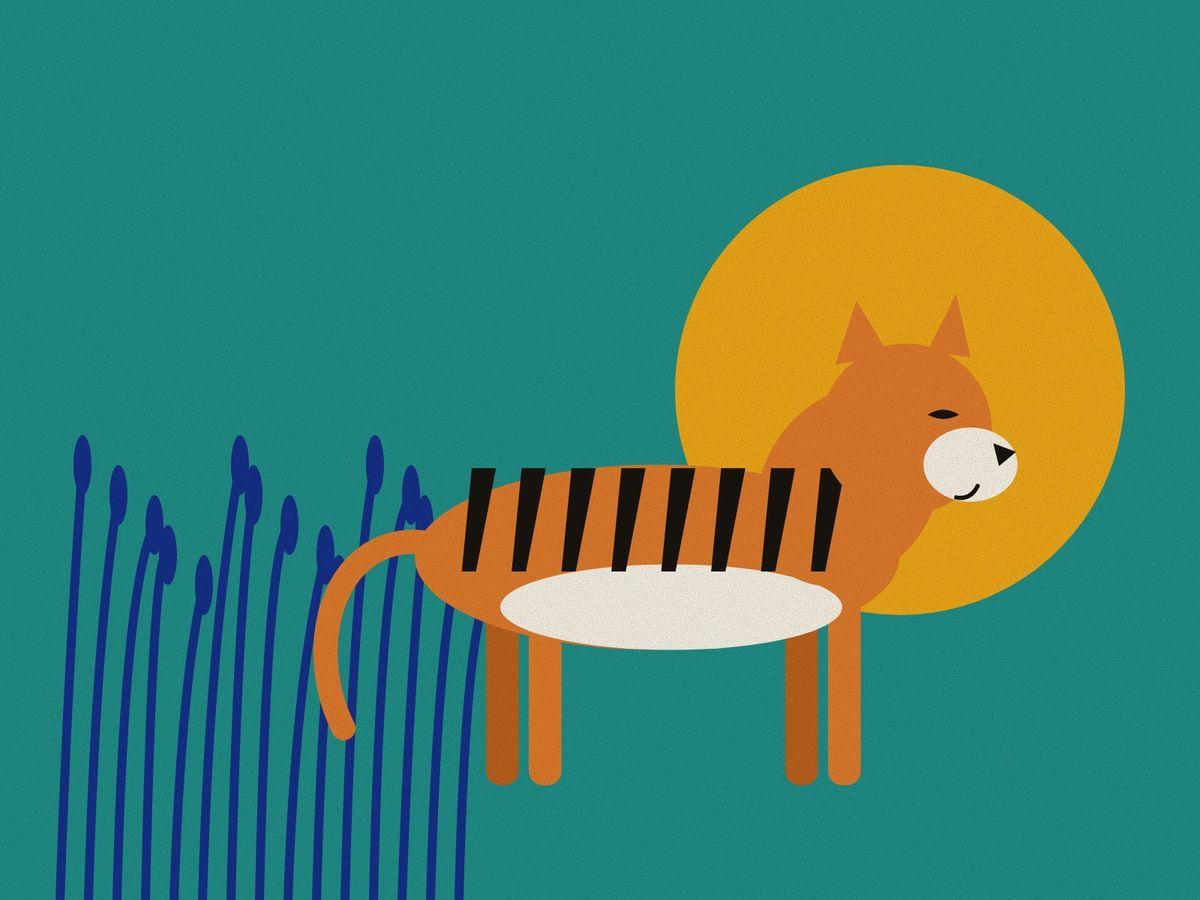
The Caspian tiger
The tiger of Mazandaran vanished from Iran in the mid-twentieth century. It lives on in a name, a hero's cloak and a genetic surprise.
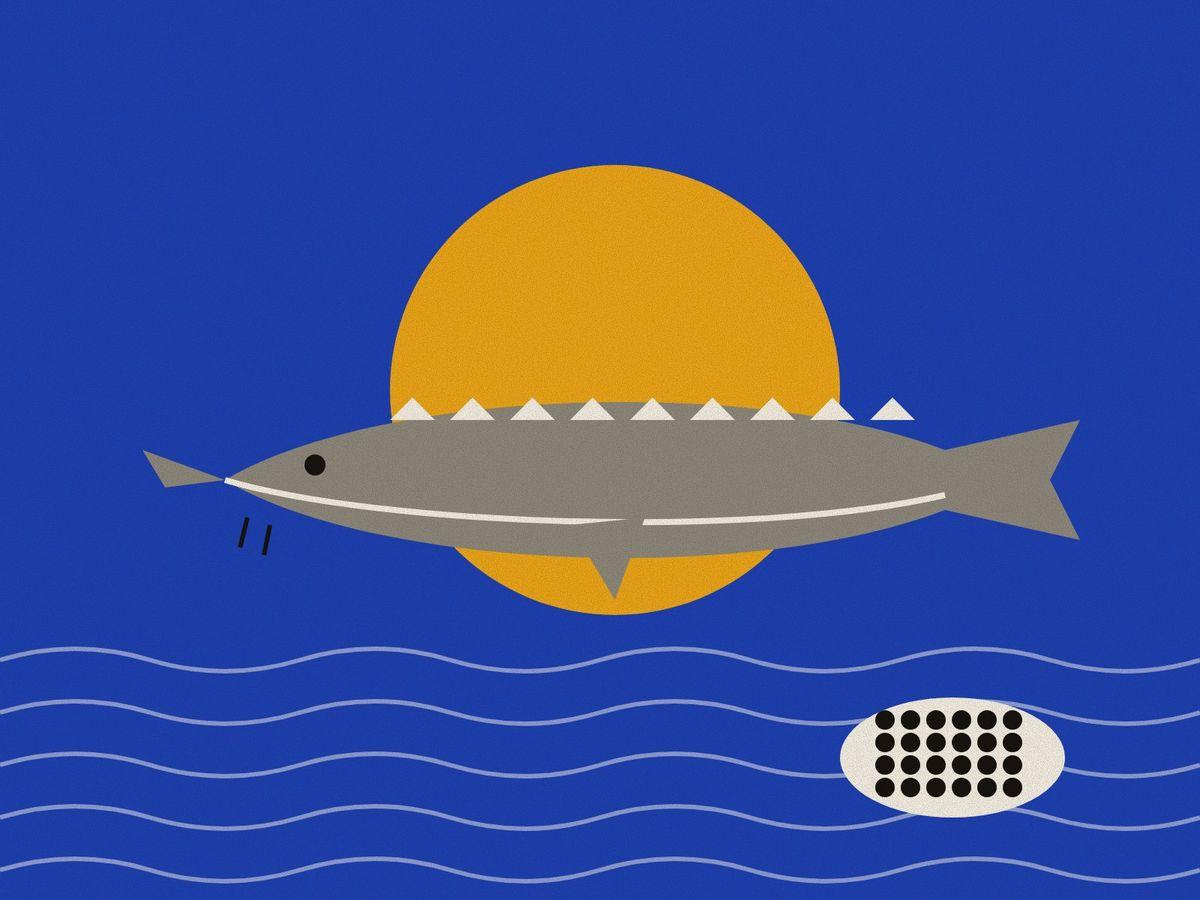
Sturgeon and caviar of the Caspian
Armoured fish of an ancient lineage, whose eggs made the Caspian famous and whose decline turned a luxury into a conservation emergency.

Gilaki and Mazandarani
Between the Alborz and the Caspian, in a green world of rice fields and forest, Gilaki and Mazandarani have been spoken for a thousand years, and have their own poets and their own medieval classic.