Nowruz
نوروزThe Persian new year, Nowruz, 'new day', begins at the moment of the March equinox. Homes are cleaned, the haft-sin is laid, and families visit one another across Iran, Afghanistan, Central Asia, the Caucasus and the diaspora.

Nowruz means 'new day', and it is the great festival of the Persian year. It falls on 1 Farvardin, the first day of the Iranian calendar, which begins at the March equinox, usually on 20 or 21 March. The year does not turn at midnight but at the exact moment the sun crosses the equator, the sal-tahvil, which can fall at any hour of the day or night. Families gather round the haft-sin table and wait for it together. It is kept by Muslims, Zoroastrians, Baháʼís and the unreligious alike, and in Iran the holidays run on until Sizdah Bedar, thirteen days later.
Before the year turns
Many households begin weeks ahead with khaneh-tekani, 'shaking the house', a thorough spring clean, and buy new clothes. On the last Tuesday night of the old year comes Chaharshanbe Suri, with its bonfires. In the streets of Iranian towns a figure called Haji Firuz may appear in a red suit and felt hat, his face blackened with soot, singing and playing a tambourine as the herald of Nowruz.
Haji Firuz has become the subject of a real debate. One older explanation, put forward by the scholar Mehrdad Bahar in 1983, linked him to rites for the hero Siyavash and read the soot as a sign of return from the dead. Since the 2010s historians such as Beeta Baghoolizadeh and Parisa Vaziri have tied the figure instead to the history of slavery in the Persian Gulf and Indian Ocean and to siyah-bazi, a blackface comic theatre. Groups such as the Collective for Black Iranians have asked for blackface performances to end. Haji Firuz still appears in Iran and in diaspora celebrations, and the debate continues.
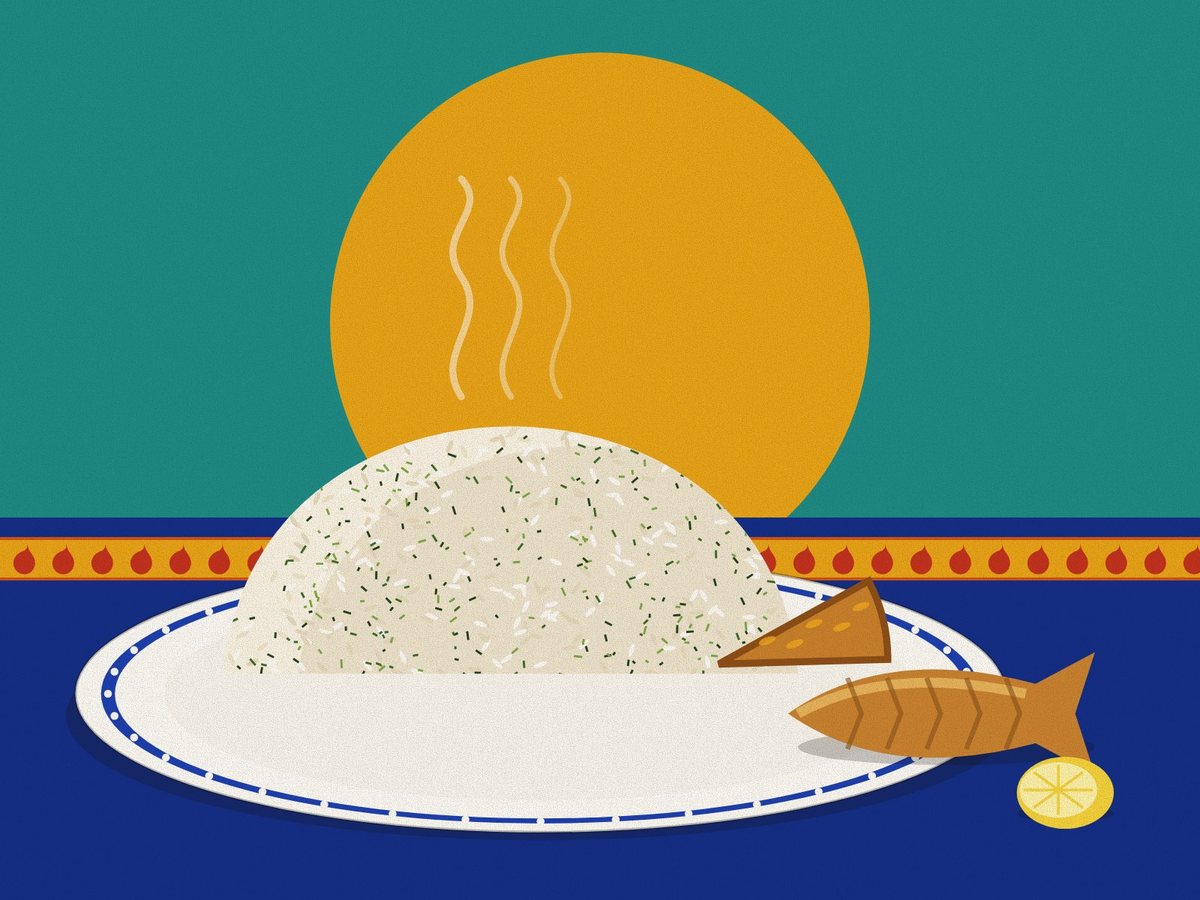
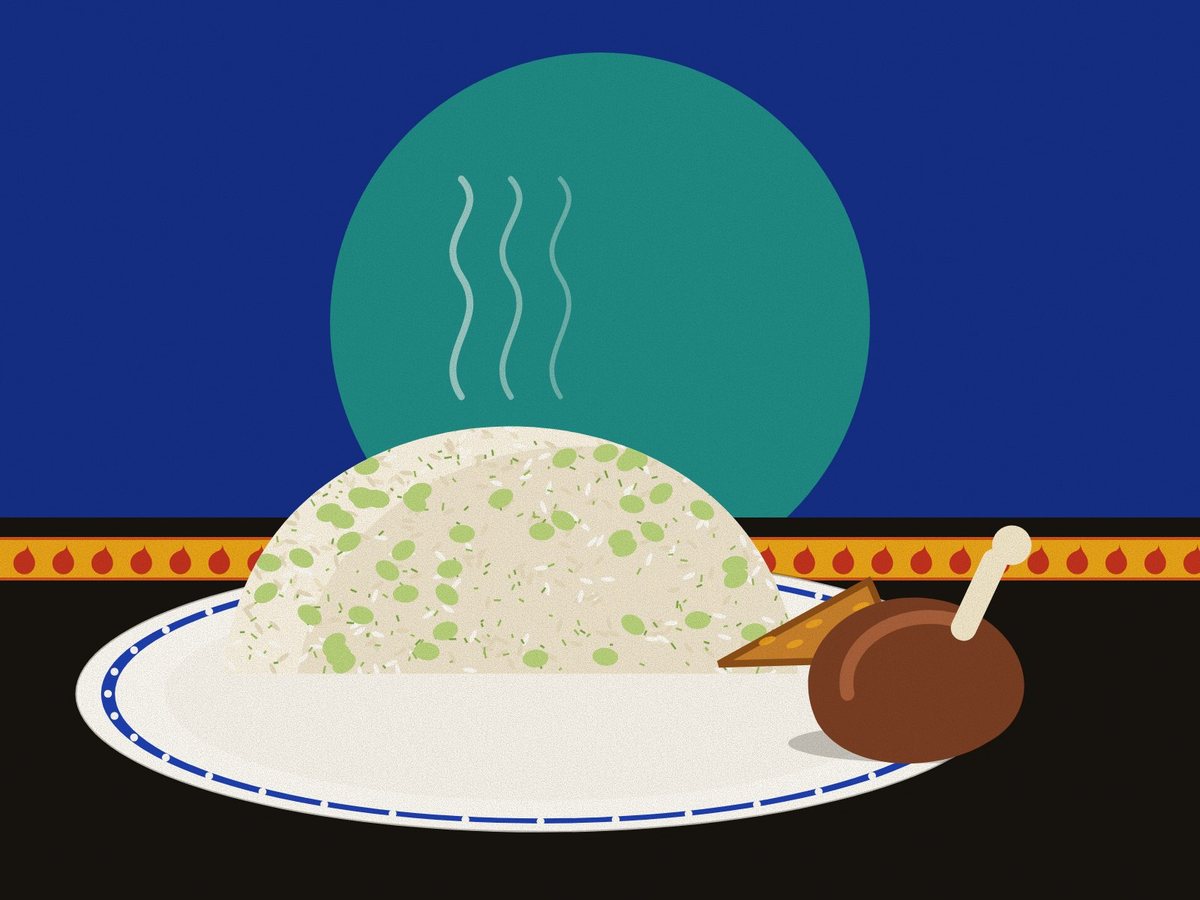
At the centre of the house stands the haft-sin, 'seven S's', a table of seven things whose Persian names begin with the letter sin: sprouted grains (sabzeh), sweet wheat pudding (samanu), oleaster fruit (senjed), garlic (sir), apples (sib), sumac (somaq) and vinegar (serkeh). Often a mirror, candles, painted eggs, goldfish, hyacinths (sonbol), coins and a book join them: the Quran, the Shahnameh, the Divan of Hafez or the Avesta. When the moment comes, people embrace and wish one another a happy new year, and elders give eidi, a gift of money, often crisp new banknotes, to the young. Herbed rice with fish, sabzi polo ba mahi, is the dish most associated with the new-year meal.
Then come the visits, did-o-bazdid, 'seeing and seeing back': short calls on family, friends and neighbours, the young visiting their elders first and the elders returning the visit later.
Jamshid's new day
Ferdowsi's Shahnameh gives the festival its founding story. The king Jamshid has a jewelled throne made and orders the divs to raise it into the sky, where he sits shining like the sun, and the people name that day the new day.
به جمشید بر گوهر افشاندند
مر آن روز را روز نو خواندند
سر سال نو هرمز فرودین
بر آسوده از رنج روی زمین
They scattered jewels over Jamshid
and called that day the New Day:
the head of the new year, Hormoz day of Farvardin,
when the face of the earth had rest from toil.
The history behind the legend is less certain. Mary Boyce thought Nowruz the holiest of the Zoroastrian feasts. It followed the days of Hamaspathmaedaya, later Farvardigan, when the spirits of the dead were welcomed home at the end of the year. It has been suggested that parts of Persepolis, the Apadana and the Hall of a Hundred Columns, were built for a new-year feast, but this remains a theory: the word Nowruz does not appear in any Achaemenid inscription. Detailed records begin with the Sasanian kings, from Ardashir I onwards. After the 1979 revolution some in the new government tried to play it down as pagan, without success.
Across the Iranian world
UNESCO first inscribed Nowruz on its list of the intangible heritage of humanity in 2009 and extended the inscription in 2016. A further extension in 2024, when Mongolia joined, brought the shared file to thirteen countries. In 2010 the United Nations General Assembly proclaimed 21 March the International Day of Nowruz.
In Afghanistan the year opens in Mazar-i Sharif with Jahenda Bala, the raising of a great banner at the Blue Mosque, which draws crowds from across the country and opens Gul-i Surkh, the red flower festival, with games of buzkashi. Afghan families set out haft mewa, seven dried fruits and nuts soaked in their own syrup, and women gather to stir samanak, a pudding of sprouted wheat, through the night. Under the Taliban the festival was banned between 1996 and 2001; in 2022 the Taliban cancelled the public holiday, while saying they would not stop people celebrating in private.
For Kurds, Newroz is lit by bonfires on the hills on the evening of 20 March, in memory of Kaveh the blacksmith, who in Kurdish tradition lit fires to announce his victory over the tyrant Zahhak. Since the 1980s it has also become a symbol of Kurdish identity, especially in Türkiye, where its public celebration was long restricted. In the Republic of Azerbaijan, Novruz is preceded by four Tuesdays dedicated to water, fire, wind and earth, when children jump small bonfires; the table, the khoncha, is set with samani sprouts, candles, dyed eggs and pastries such as shekerbura and pakhlava. Under Soviet rule the festival there was unofficial and at times forbidden. The states of Central Asia made it a national holiday after independence; Tajikistan now gives it four days, and across the region pots of sumalak, a sweet wheat pudding, are stirred for hours.
Abroad the haft-sin is laid in homes and halls, Kurdish Newroz is celebrated in cities such as London, and families stay up or rise early for a sal-tahvil that may fall in the small hours of a different time zone.
When it fallsکی
In the Persian calendar it keeps its day; in the Gregorian calendar the day moves a little from year to year.
Sunday, 21 March 2027
Monday, 20 March 2028
Tuesday, 20 March 2029
At the tableسفره


In the Shahnamehشاهنامه
- The glory and fall of Jamshid →Jamshid gives the world armour, cloth, the four classes, buildings, jewels, medicine and ships, and his flying throne inaugurates the New Day. After three centuries without death he claims all credit for himself, loses the divine glory, and dies at Zahhak's hands.
- Kaveh the blacksmith →Zahhak makes his nobles sign a declaration of his justice. Kaveh, a blacksmith whose son is due to feed the serpents, tears it up, raises his leather apron on a spear and leads the people to Fereydun, who makes it the royal banner.
Across Cultureپیوندها
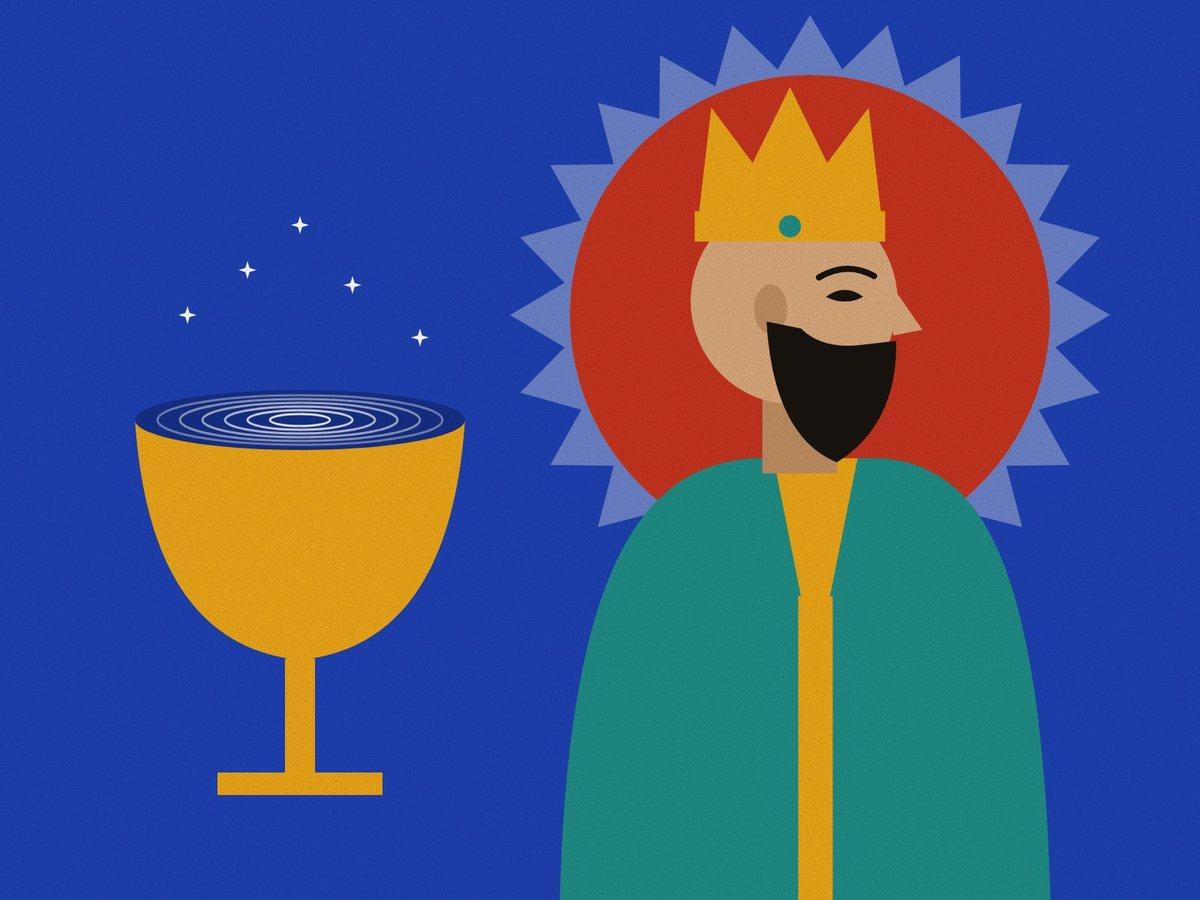
Mythology
Jamshid and his cup
The brilliant king who gave his people Nowruz, then lost everything to pride. Plus the famous world-revealing cup, which belonged to someone else first.
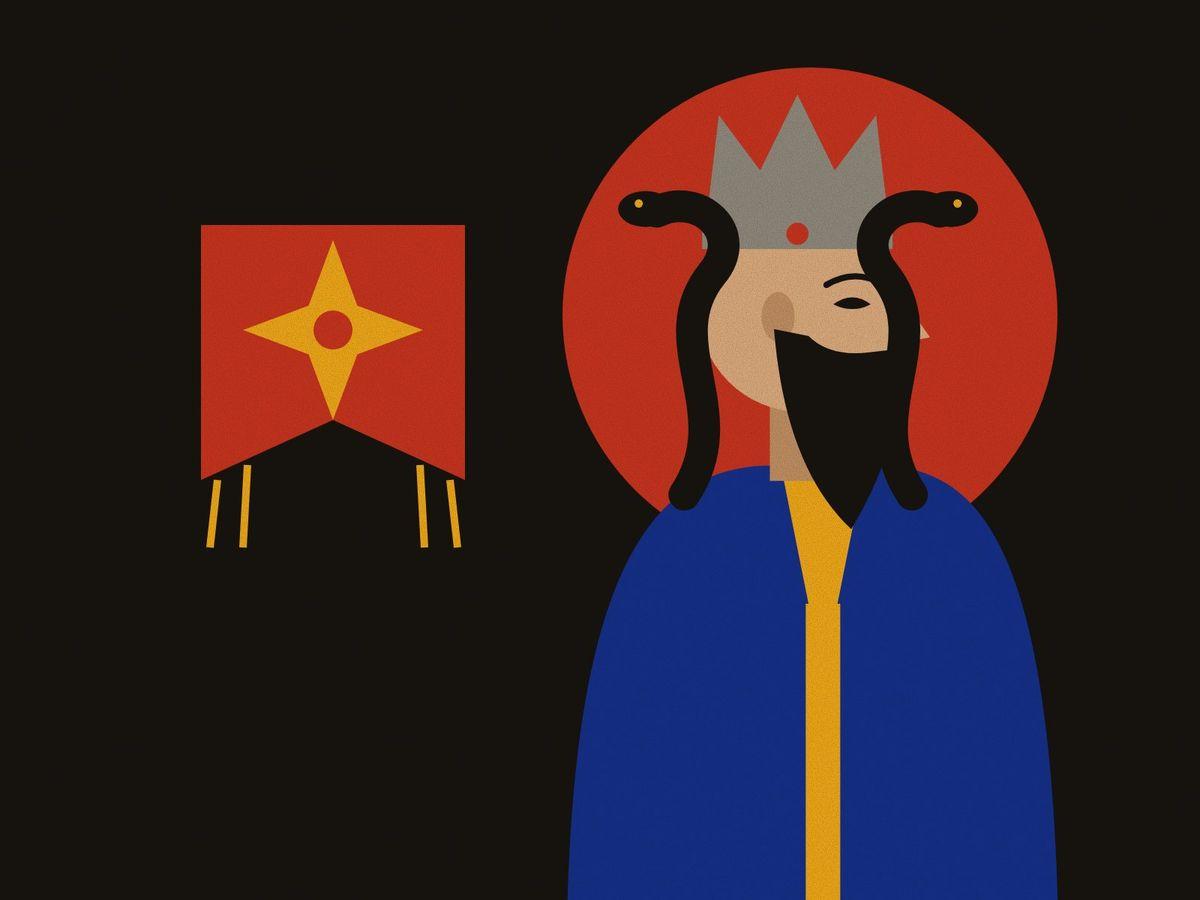
Mythology
Zahhak and Kaveh the blacksmith
A king with serpents growing from his shoulders, and the blacksmith who raised his leather apron on a spear and brought him down.
Faiths
Zoroastrianism
Good thoughts, good words, good deeds: the faith of Zarathushtra, kept by its followers in Yazd, Kerman, Tehran, Mumbai and far beyond.
Faiths
The Bahá’í Faith
Born in nineteenth-century Iran, the Bahá’í Faith teaches the oneness of God, of religion and of humanity. Its followers in Iran have faced documented persecution.
History
The Achaemenids
From Cyrus to Darius III, the first Persian empire stretched from the Aegean to the Indus and left behind Persepolis, the Cyrus Cylinder and a model of kingship the region would long remember.
History
The Sasanians
For four centuries the Sasanian kings ruled an empire of fire temples, rock reliefs and brick palaces, the last great Iranian empire before Islam.

Peoples
Kurds
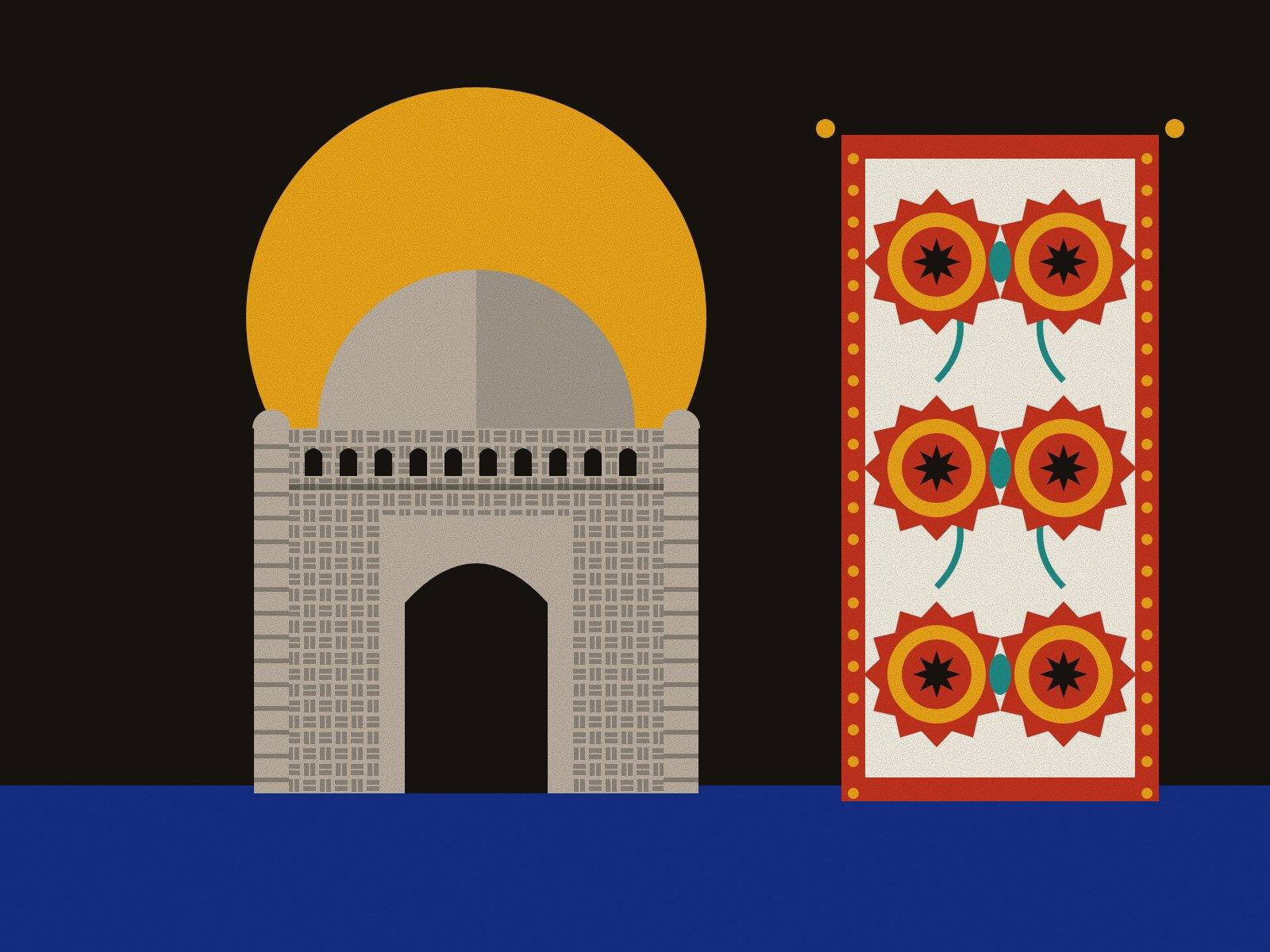
Kurds live across the Zagros and Taurus in Iran, Iraq, Turkey and Syria. In Iran they speak several Kurdish languages, keep several faiths, and light Newroz fires that every Iranian knows.
Peoples
Tajiks
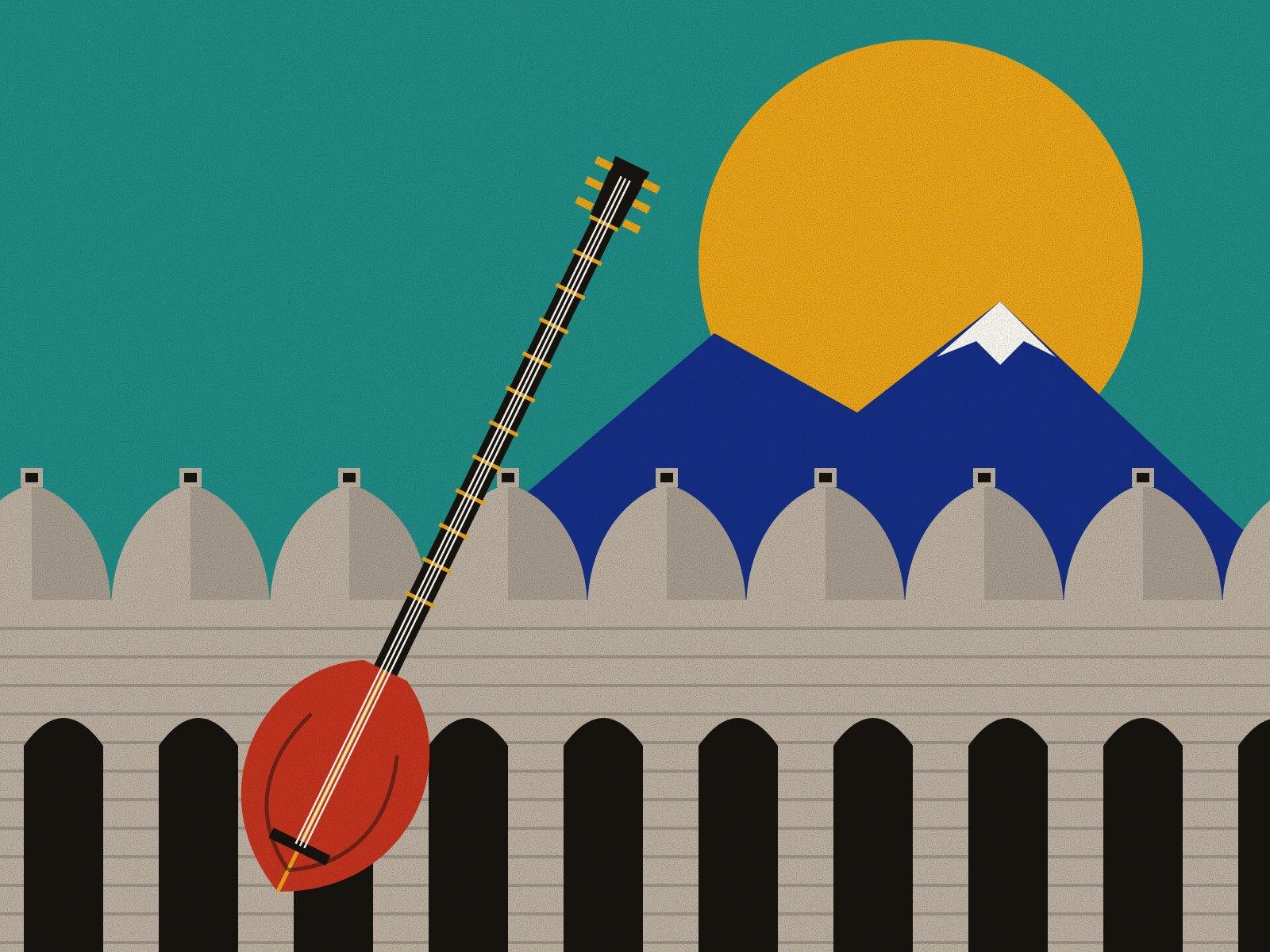
Tajiks speak Persian in Afghanistan, Tajikistan and Uzbekistan. They are heirs of the Samanids and of Rudaki, and their homelands define themselves.
Peoples
Azerbaijanis
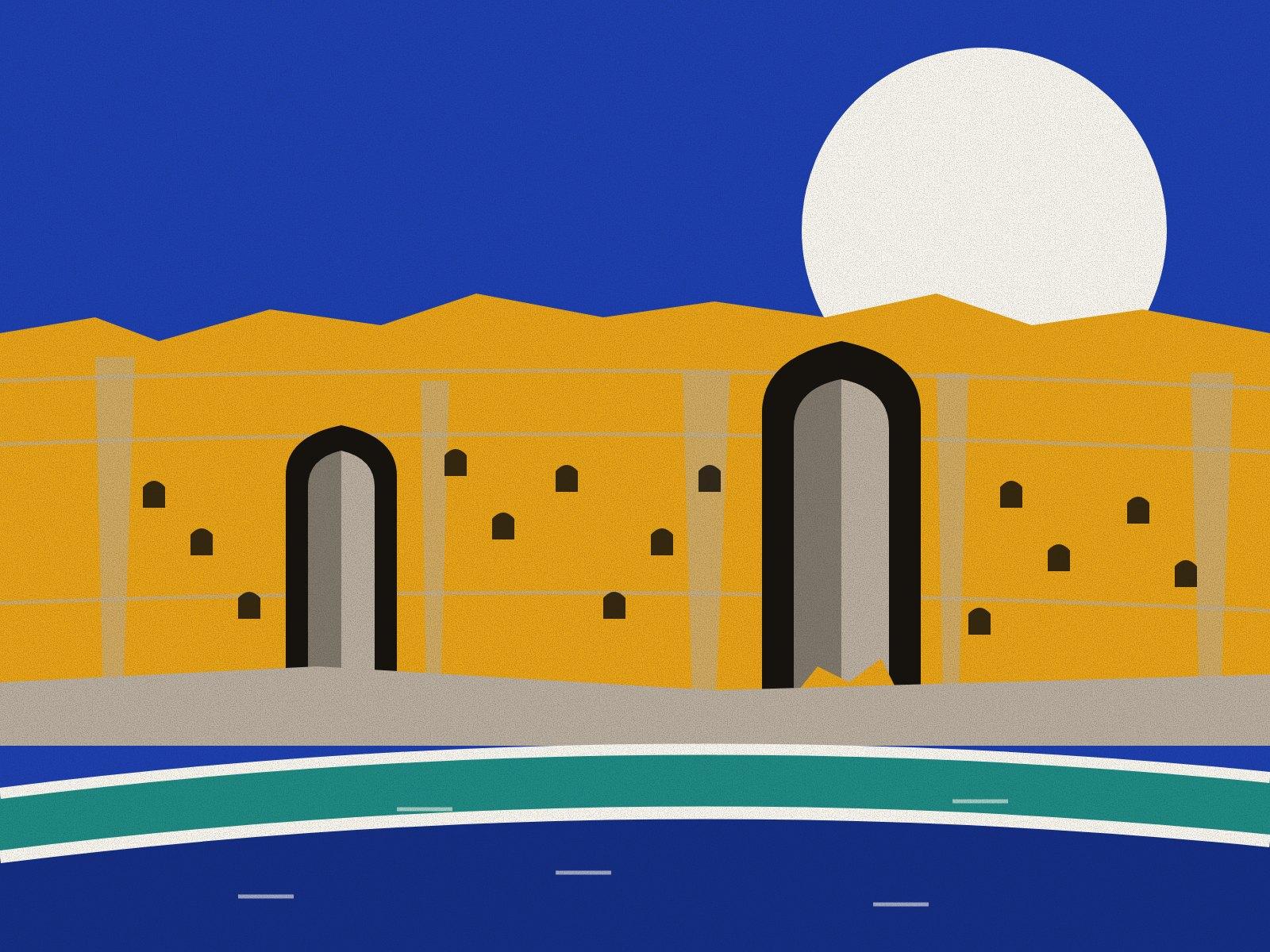
Iran’s Azerbaijanis, who often call themselves *Türk*, speak a Turkic language in a land named after an Iranian satrap. North of the Aras, the Republic of Azerbaijan is a separate nation that defines itself.
Peoples
Hazaras
The Hazaras of central Afghanistan speak Hazaragi, a form of Persian, and are mostly Shia. Their homeland holds Bamiyan and Band-e Amir; their diaspora reaches Mashhad, Quetta and Australia.
More from Festivalsجشنها

Sizdah Bedar
On the thirteenth day of the new year, families leave their homes for parks, rivers and hillsides, throw the sabzeh from the haft-sin into running water and knot blades of grass for a wish. In Iran it is officially Nature Day.

Tirgan
A midsummer festival of water on Tir day of the month of Tir. People splash one another, tie a rainbow cord round the wrist, and remember Tishtrya, the star who brings rain, and the arrow of Arash.

Mehregan
The autumn feast of Mehr, or Mithra, god of covenants and friendship. For centuries it stood beside Nowruz as one of the two great feasts of the Persian year; Zoroastrians and Tajiks keep it still.