Belqeys Citadel
قلعه بلقیسThe mud-brick ruins of medieval Esfarayen
A few kilometres south-west of the town of Esfarayen, a great mound of eroded mud-brick walls and towers rises from the plain. Local people call it Qal’eh Belqeys, the castle of Belqeys, after the Queen of Sheba of the Qur’an and Persian legend. Archaeologists know it as the citadel of the old city of Esfarayen, one of the historic towns of Khorasan.
The site is large, with a citadel standing over the remains of a walled town, a bazaar, a caravanserai, cisterns and an extensive cemetery. The citadel’s walls rise to around eleven metres and are reinforced with many towers. Excavations have uncovered houses, irrigation channels, a cistern and a hall of columns, and pottery and coins showing that the city was lived in from the late Sasanian period into the Islamic centuries, with occupation still recorded in the Safavid era.
Iranian specialists often describe Belqeys as one of the largest mud-brick fortresses in the country after the citadel of Bam. Like Bam, it is vulnerable: rain and wind wear the walls away a little each year, and restoration work has been carried out to stabilise the towers and gateways.
Seen at the end of the day, when the low sun picks out the ridges of the walls, Belqeys gives a vivid sense of what the walled towns of medieval Khorasan were like: a strong citadel rising out of the farmland, built from the earth on which it stands.
More in North Khorasanخراسان شمالی
Mofakham Mirror House
A Qajar mirror-work pavilion of the khans of Bojnurd
Aspakhu Fire Temple
A stone Sasanian building in a village at the edge of Golestan National Park
Besh Qardash
A spring and shrine of “five brothers” outside Bojnurd
Stories from the regionداستانها
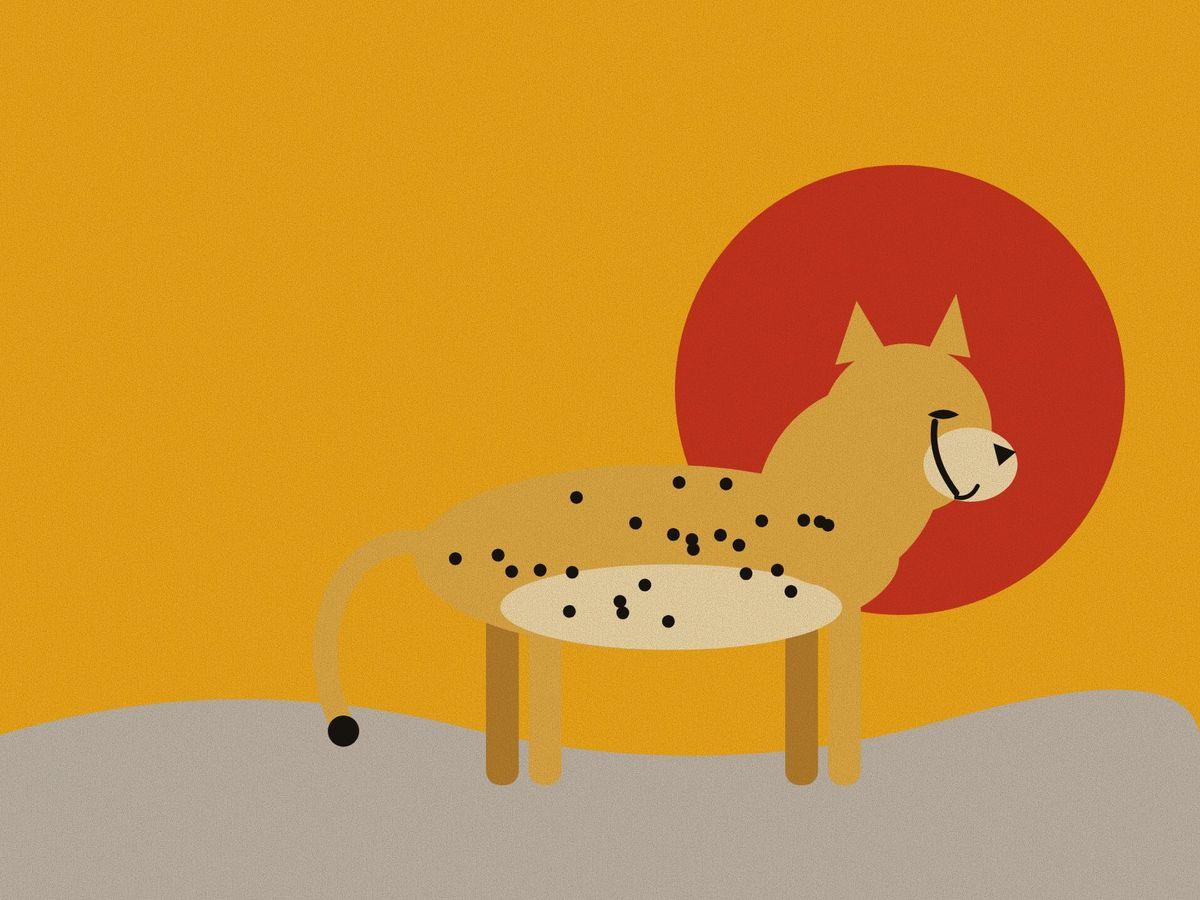
The Asiatic cheetah
Once a hunting companion of kings, now the last of its line: the Asiatic cheetah survives in the wild only in Iran, and only a few dozen are thought to remain.

Kurds
Kurds live across the Zagros and Taurus in Iran, Iraq, Turkey and Syria. In Iran they speak several Kurdish languages, keep several faiths, and light Newroz fires that every Iranian knows.
Seleucids and Parthians
After Alexander, Greek kings ruled Iran for a time, until the Parthians, horsemen from the north-east, built an empire that lasted nearly five centuries and held Rome at bay.