South Khorasan
خراسان جنوبیA dry eastern frontier of saffron, barberries and qanats on the edge of the Lut desert.
South Khorasan is a land of oasis towns watered by qanats. Its capital, Birjand, is home to the Shokatiyeh, founded in 1897 and one of the oldest modern schools in Iran.
The province grows most of the world's barberries and a large share of Iran's saffron. Tabas, a palm oasis in the desert, was rebuilt after the earthquake of 1978.
Cities and towns
Birjandبیرجند
The provincial capital
Tabasطبس
A palm oasis in the desert
Qaenقائن
The saffron town
Landmarksبناها و نشانهها
Akbarieh Garden
باغ اکبریهThe Persian garden of the hereditary rulers of Qohestan
Furg Citadel
ارگ فورگA mud-brick castle of towers on a hill above the Darmian valley
Qanat of Baladeh, Ferdows
قنات بلده فردوسAn underground water channel that made a desert town possible
South Khorasan through time
Iranian historyThe Pahlavi century and afterدوران پهلوی و پس از آن
Two Pahlavi shahs built railways, universities and a centralised state, while poets, novelists and film-makers created a new Persian culture. The era ended with the revolution of 1979.
- Registered as a national monument
- Inscribed by UNESCO as part of the Persian Garden
- Inscribed by UNESCO as part of the Persian Qanat
Peoples, languages and faithsمردم، زبان و دین
Stories from hereداستانها
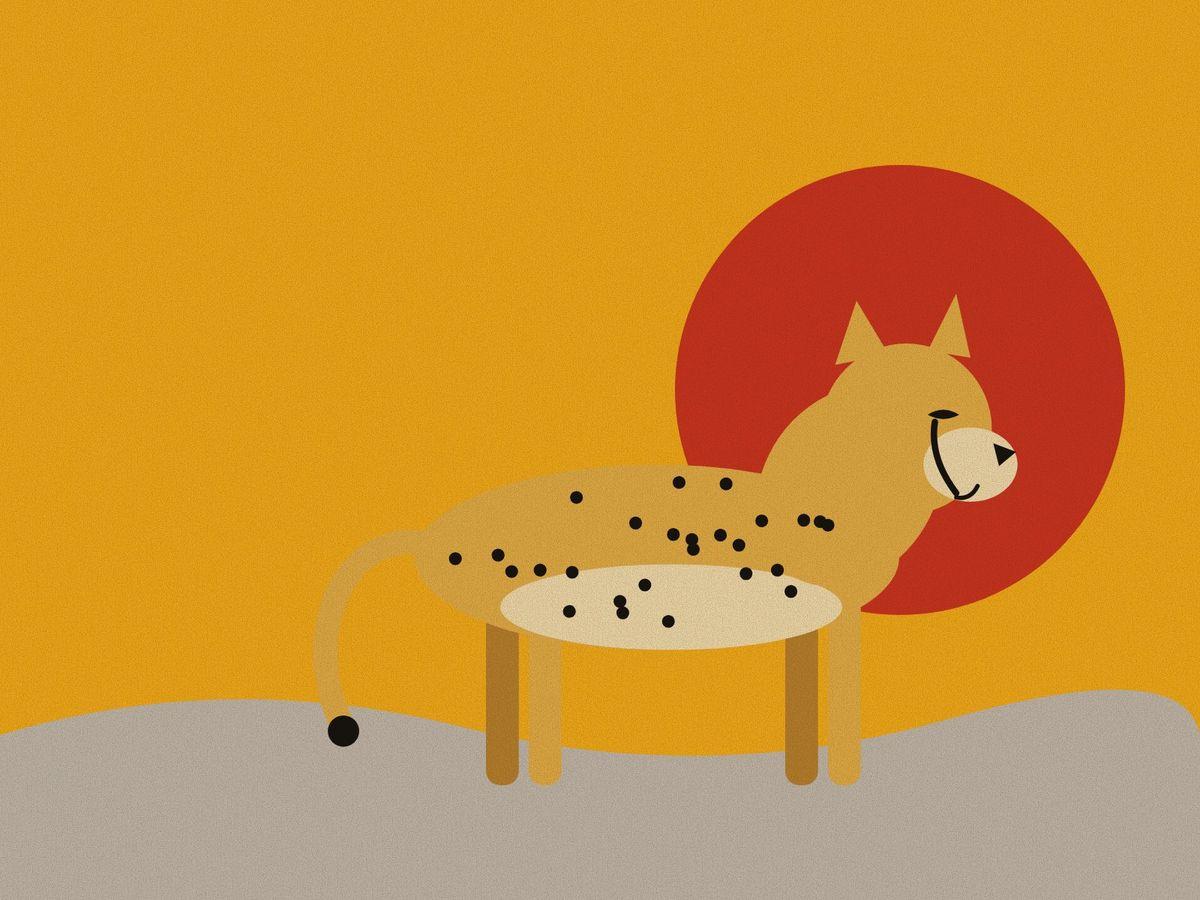
The Asiatic cheetah
Once a hunting companion of kings, now the last of its line: the Asiatic cheetah survives in the wild only in Iran, and only a few dozen are thought to remain.

Shab-e Yalda
The longest night of the year. Families gather at the home of their eldest, eat pomegranates, watermelon and ajil, read Hafez and the Shahnameh, and stay up together until the dark has turned.