Bisheh Waterfall
آبشار بیشهA waterfall beside the Trans-Iranian Railway in the Zagros
The Bisheh waterfall pours down a green cliff in the Zagros mountains of Lorestan, between the cities of Dorud and Khorramabad, beside the village of Bisheh. Spring water spills from the top of the rock face in many separate strands, falling some forty or fifty metres through moss, ferns and hanging plants into the river below. In spring, when the snows melt, the falls are at their fullest and the whole cliff seems to be made of water.
What makes Bisheh unusual is how most visitors arrive: by train. The Trans-Iranian Railway, built in the 1930s to link the Caspian Sea with the Persian Gulf, runs through the deep gorges of the Zagros here, and Bisheh has its own small station just above the waterfall. The line through Lorestan is one of the most dramatic stretches of the whole railway, with tunnels and bridges threaded through the mountains, and in 2021 the Trans-Iranian Railway was inscribed by UNESCO as a World Heritage site.
For many families from Lorestan and beyond, a trip to Bisheh is a day out by rail: they ride the train through the mountains, get off at the station, walk down to the falls, picnic among the oaks and walnut trees, and catch a train back. The village has guesthouses and small shops, and the river below the falls is popular for wading and paddling in summer.
The surrounding valley is cut deep into the mountains, with the river, the railway and the road all squeezed into its narrow floor, and it is a good introduction to the green, well-watered country of northern Lorestan.
Bisheh Waterfall through time
Iranian historyThe Pahlavi century and afterدوران پهلوی و پس از آن
Two Pahlavi shahs built railways, universities and a centralised state, while poets, novelists and film-makers created a new Persian culture. The era ended with the revolution of 1979.
- Trans-Iranian Railway completed
- Trans-Iranian Railway inscribed by UNESCO
More in Lorestanلرستان
Falak-ol-Aflak
The fortress on its rock above Khorramabad
Lake Gahar
A turquoise lake in the heart of the Oshtorankuh range
Pol-e Kashkan
A medieval brick-and-stone bridge across the Kashkan river
Stories from the regionداستانها
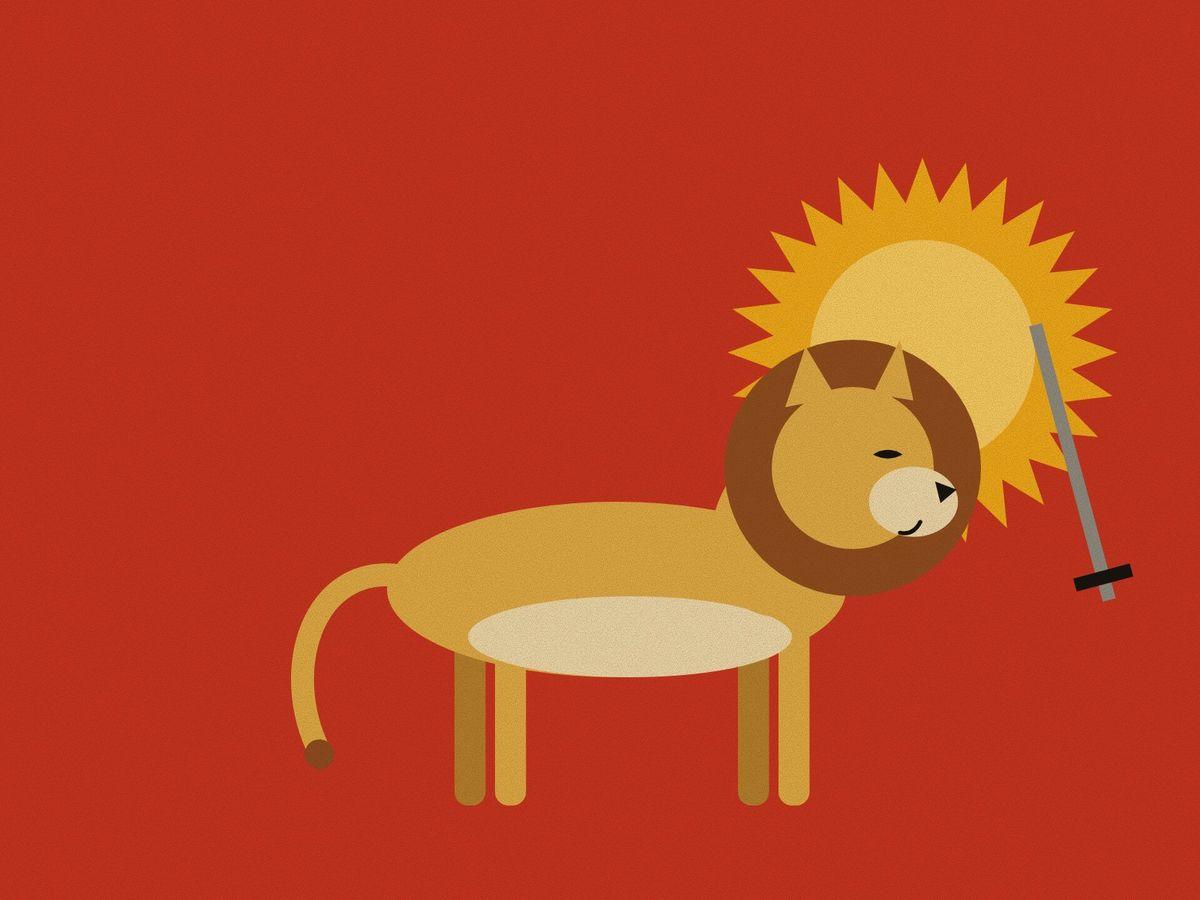
The Asiatic lion and the Lion and Sun
Iran's lions disappeared in the 1940s, but for centuries a lion holding a sword beneath a rising sun stood for the Iranian state.
Lurs
Lurs speak Luri, a close cousin of Persian, in the valleys of Lorestan, Kohgiluyeh and the southern Zagros. Their country holds the Luristan bronzes, black tents and the old seasonal migration.

Bakhtiari
The Bakhtiari cross the high Zagros twice a year with their flocks. They are famous for that migration, for their part in the Constitutional Revolution, and for rugs laid out like gardens.