Ganjali Khan Complex
مجموعه گنجعلیخانA Safavid square, bathhouse and caravanserai in the bazaar of Kerman
At the heart of the old bazaar of Kerman lies a Safavid square framed by a bathhouse, a caravanserai, a mosque, a mint and a school. It is named after Ganj Ali Khan, who governed Kerman for Shah Abbas I from 1596, and who used his governorship to give the city a new civic centre in the same spirit as the shah’s great square in Isfahan. The design is credited to the architect Mohammad Soltani of Yazd.
The jewel of the complex is the Ganjali Khan bathhouse, its entrance passage leading down into a sequence of domed halls lined with tiles, painted plaster and stone. The dressing hall, with its octagonal platforms and central pool, was where the men of Kerman met, talked and did business. The bath is now a museum, with figures arranged to show how the rooms were once used, and its ceilings and tiled alcoves are among the finest of any bathhouse in Iran.
Across the square, the caravanserai carries a foundation inscription of 1598, and the small domed mint, begun in the same year, now holds a museum of coins. A little mosque, notable for its tile and marble work, completes the set. Around the square the long vaulted aisles of the bazaar continue, still lined with shops selling Kerman’s copper, spices and textiles.
The complex shows what a provincial governor could build in the Safavid golden age, and it remains one of the most complete Safavid public spaces anywhere in Iran.
Ganjali Khan Complex through time
Iranian historyThe Safavidsصفویان
The Safavids made Twelver Shia Islam Iran's state religion and rebuilt Isfahan as one of the most admired cities in the world.
- Ganj Ali Khan becomes governor of Kerman
- Date of the caravanserai's foundation inscription
More in Kermanکرمان
Arg-e Bam
The great mud-brick citadel, under restoration since 2003
The Lut desert
Dunes and wind-carved ridges, the kaluts, on the edge of the Lut
Shazdeh Garden
A terraced Qajar garden in the desert at Mahan
Stories from the regionداستانها

Zoroastrianism
Good thoughts, good words, good deeds: the faith of Zarathushtra, kept by its followers in Yazd, Kerman, Tehran, Mumbai and far beyond.
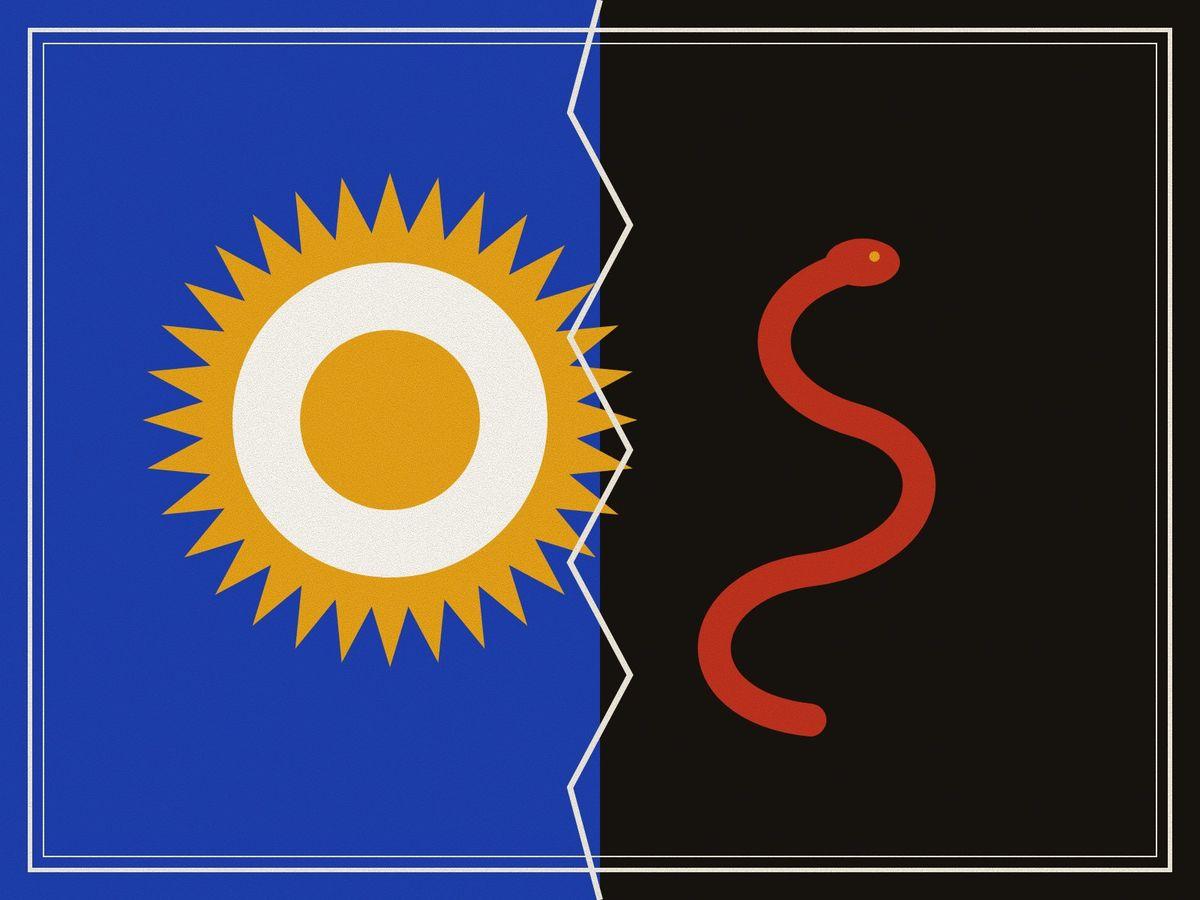
Ahura Mazda and Ahriman
The Wise Lord and the Hostile Spirit: the oldest Iranian account of a world in which every person takes a side, and the moral heart of a faith still practised today.
Persians
Persian speakers of Iran call themselves *Fars* or simply *Irani*. They are one people among many in Iran, and their language became a shared tongue for far more than themselves.