Armenia
ارمنستانA Christian kingdom of the Caucasus with deep ties to Iran: an Achaemenid satrapy, an Arsacid dynasty and centuries of shared history.
Armenia was a satrapy of the Achaemenid empire, and from the first century CE a branch of the Parthian Arsacid family ruled it as kings. The Armenian language, though not itself Iranian, absorbed hundreds of Parthian and Middle Persian words.
Armenians have lived in Iran for many centuries. Shah Abbas resettled thousands of Armenian families from Julfa to Isfahan in 1604, where New Julfa and its Vank Cathedral still stand.
Cities and towns
Yerevanایروان
The capital, below Mount Ararat
Vagharshapatواغارشاپات
Seat of the Armenian Church at Etchmiadzin
Meghriمغری
A southern town on the Aras, facing Iran
Landmarksبناها و نشانهها
Garni Temple
معبد گارنیA first-century temple, believed by many to have been dedicated to Mihr (Mithra)
Etchmiadzin Cathedral
کلیسای جامع اچمیادزینThe mother church of the Armenian Apostolic Church
Blue Mosque of Yerevan
مسجد کبود ایروانAn eighteenth-century Persian mosque in the heart of Yerevan
Armenia through time
Iranian historyAfsharids, Zands and Qajarsافشاریان، زندیان و قاجاریان
A soldier-king who sacked Delhi, a regent who rebuilt Shiraz, and a dynasty that made Tehran the capital and lived through Iran's Constitutional Revolution.
- Traditional date of Armenia's adoption of Christianity
- Battle of Avarayr
- Cathedral rebuilt by Vahan Mamikonian
- Earthquake destroys Garni Temple
- Construction of the mosque under Hoseyn Ali Khan
- Yerevan taken by the Russian army
- Reconstruction of Garni Temple completed
- Inscribed by UNESCO with the churches of Etchmiadzin and Zvartnots
Peoples, languages and faithsمردم، زبان و دین
Stories from hereداستانها
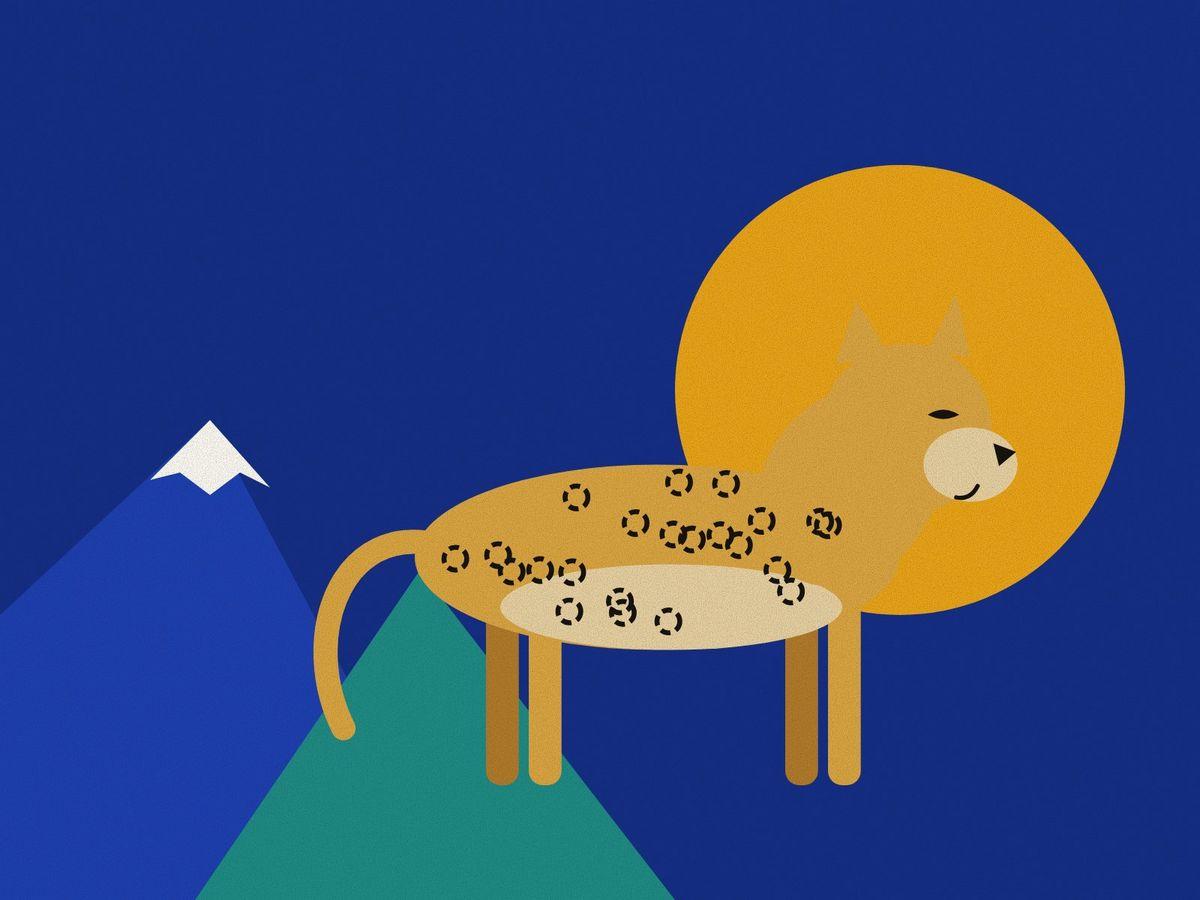
The Persian leopard
The great cat that never left: the Persian leopard still hunts the mountains of Iran and the Caucasus, sometimes within sight of Tehran's apartment blocks.
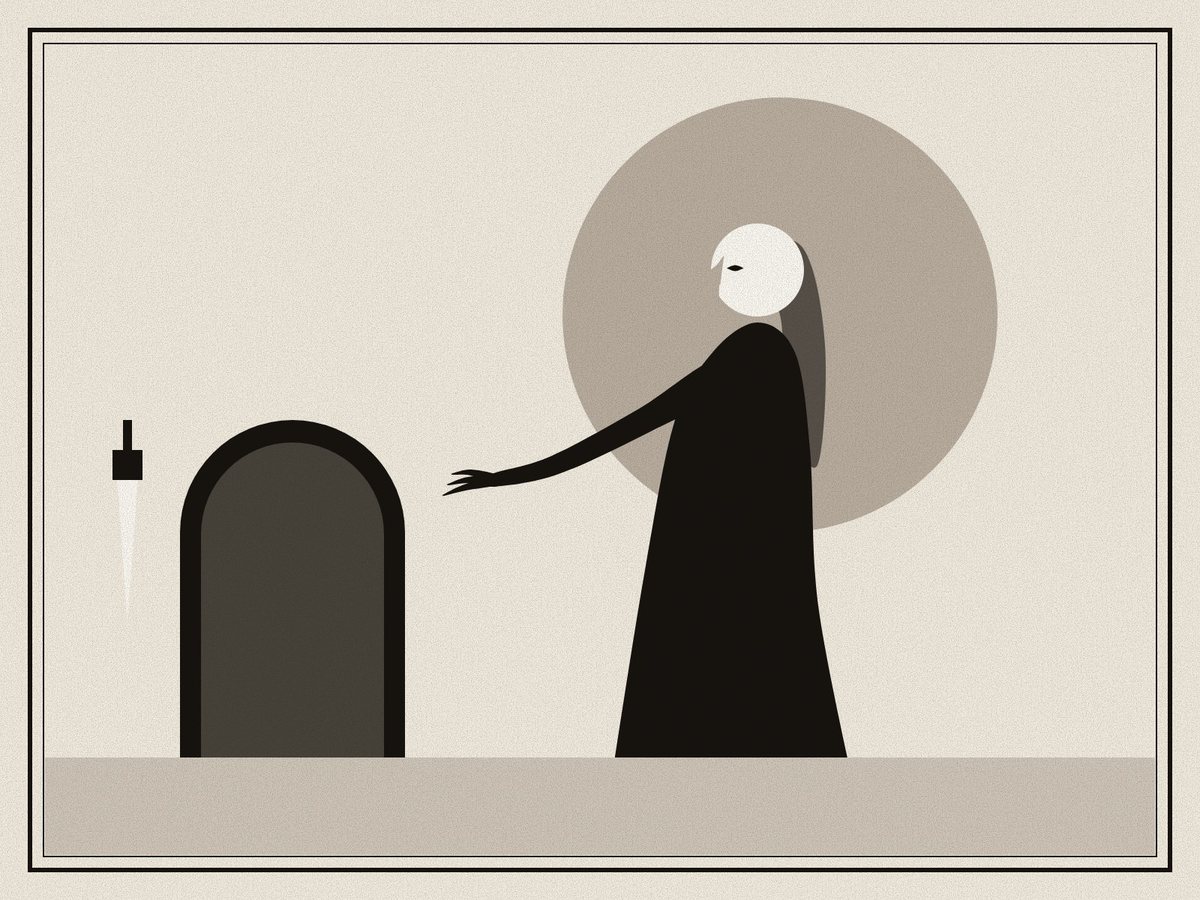
Al
A female being said to haunt women in the days after childbirth, feared across Iran and among its neighbours, and kept at bay with iron, onion and company.
Seleucids and Parthians
After Alexander, Greek kings ruled Iran for a time, until the Parthians, horsemen from the north-east, built an empire that lasted nearly five centuries and held Rome at bay.
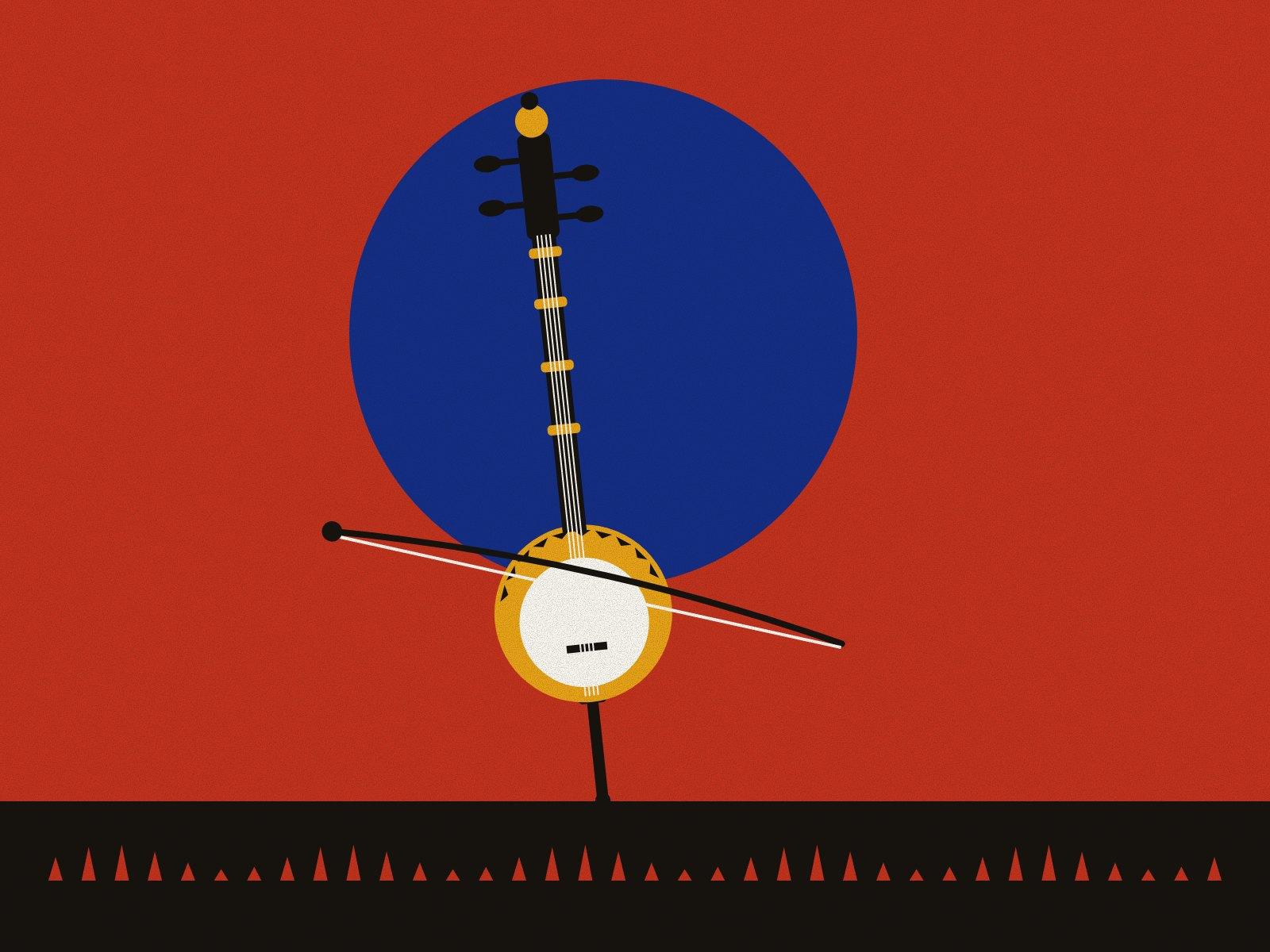
Kamancheh
A small round bowl, a long neck and a spike to rest on the knee: the kamancheh is the bowed voice of Persian music, turned rather than bowed across.
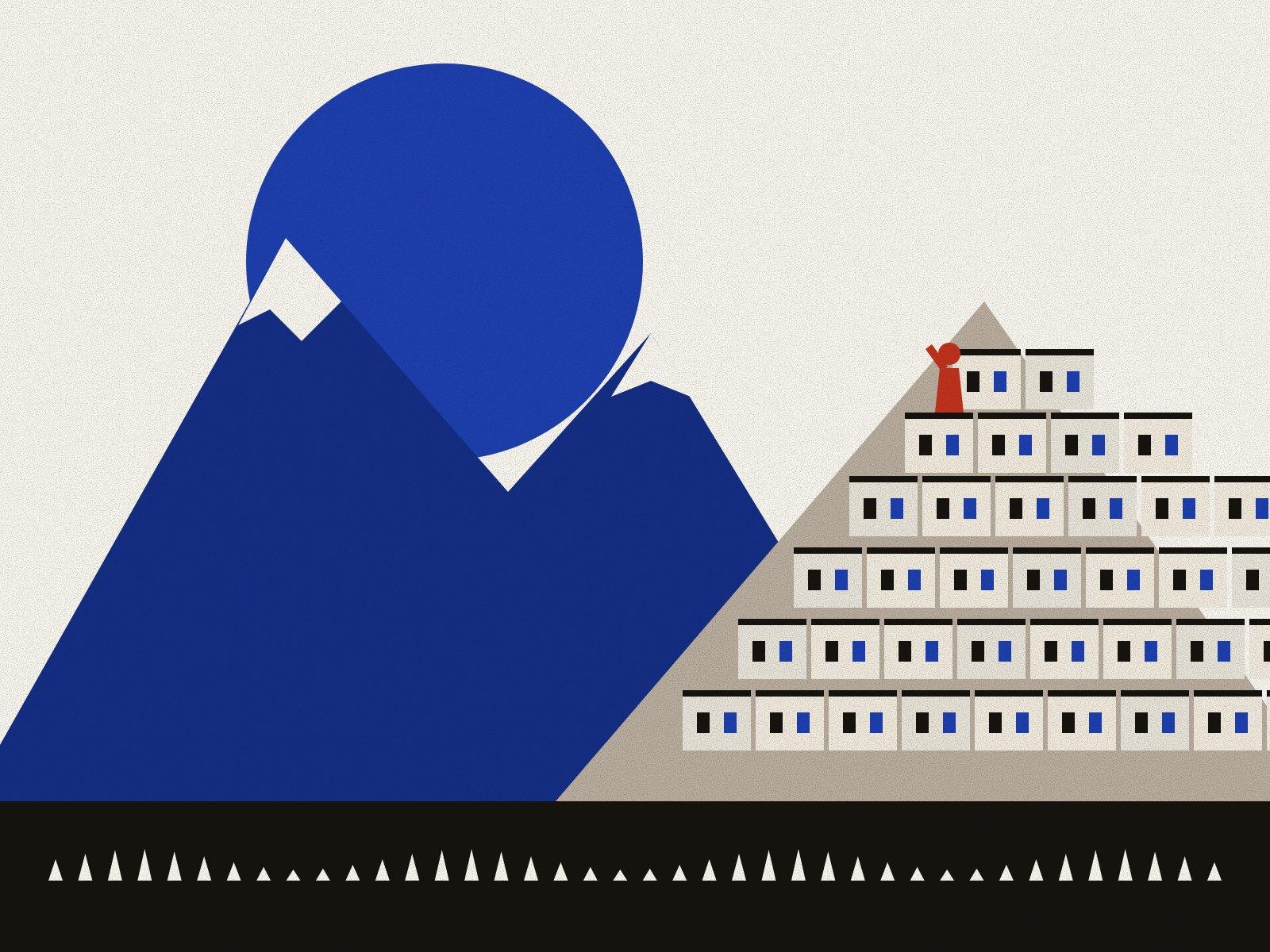
Kurdish song
From the unaccompanied storytelling song of the *dengbêj* to the ancient Hawrami *siyachamana*, Kurdish song carries history, love and lament across four countries.