Dasht-e Kavir
دشت کویرThe great salt desert of the central plateau
Dasht-e Kavir, the Great Salt Desert, fills a vast basin in the middle of the Iranian plateau, south of the Alborz mountains and the cities of Semnan and Damghan. Kavir means a salt desert or salt marsh. Unlike the sand seas of the Lut further south, much of the Kavir is a crust of salt over mud, cracked into polygons and in places treacherous to cross, which long made it a barrier to travel rather than a route.
Seasonal streams flow in from the surrounding mountains and evaporate, leaving behind salt flats, playas, and salt lakes that shimmer white in summer and fill with shallow water in wet years. Around the edges the desert gives way to scrub and to the oasis towns and villages whose people have farmed the margins for centuries, using qanats, underground channels that carry water from the hills.
Much of the northern Kavir is protected as Kavir National Park, home to gazelles, wild sheep and the rare Asiatic cheetah. Visitors often come from Kashan to the edge of the desert at Maranjab, where a Safavid-era caravanserai stands beside sand dunes and a salt lake, a reminder of the trade routes that skirted the desert. At night, far from city lights, the sky over the Kavir is one of the darkest in Iran.
More in Semnanسمنان
Tarikhaneh
One of the oldest surviving mosques in Iran
Bayazid Bastami Complex
The shrine of the Sufi Bayazid Bastami in the town of Bastam
Pir-e Alamdar Tower
An early brick tomb tower in Damghan, dated 1026–27
Stories from the regionداستانها
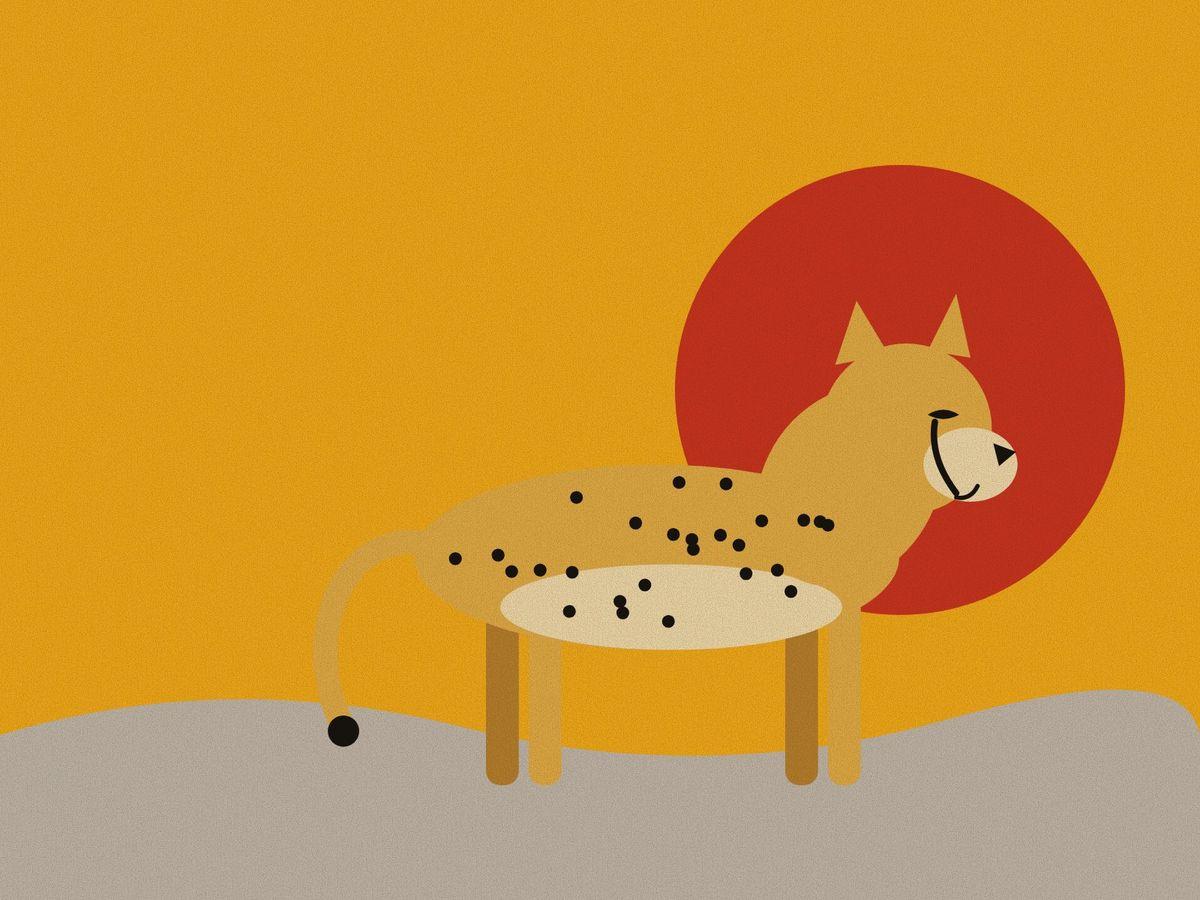
The Asiatic cheetah
Once a hunting companion of kings, now the last of its line: the Asiatic cheetah survives in the wild only in Iran, and only a few dozen are thought to remain.
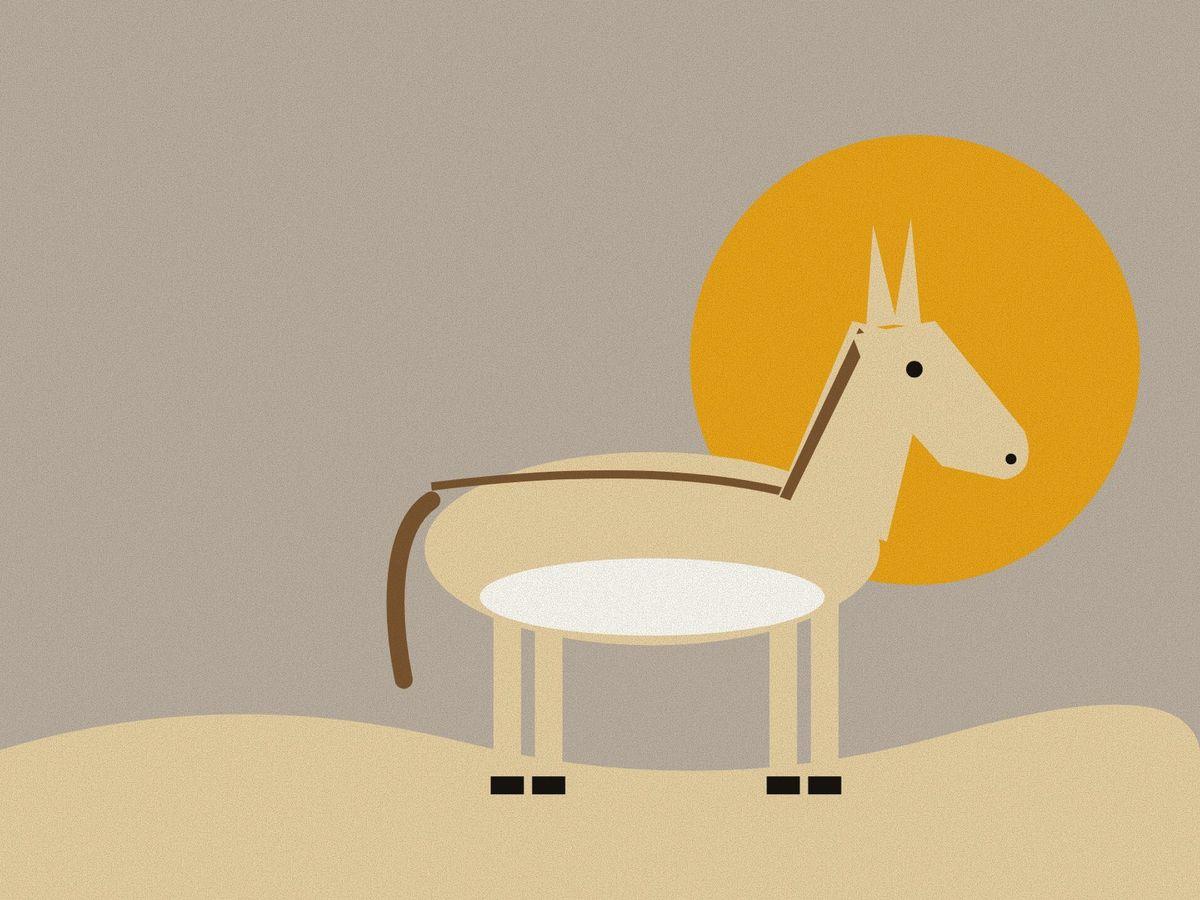
The Persian onager
The wild ass of the plateau gave its name, gur, to the most famous royal hunter in Persian legend, and a pun on that name to Khayyam.
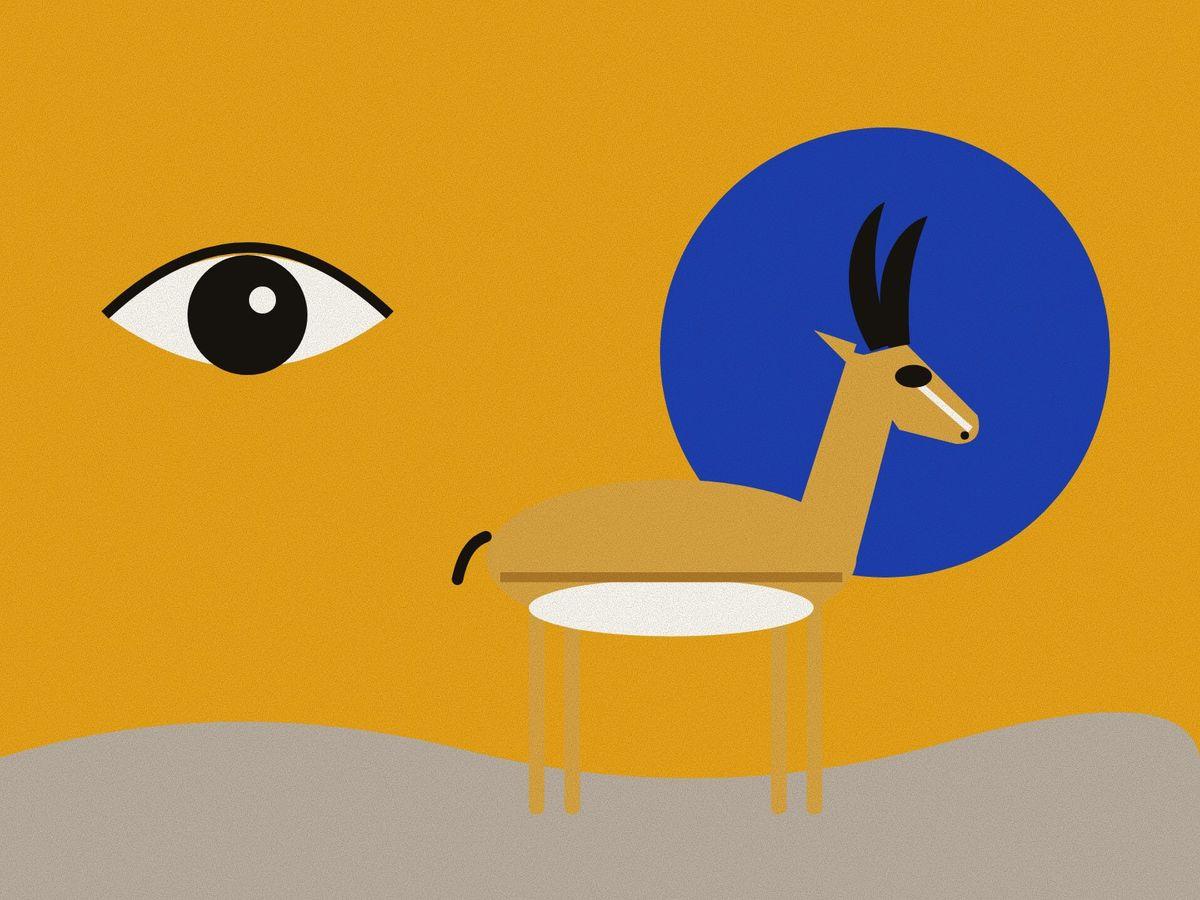
The goitered gazelle
A small, fast desert gazelle, and in Persian poetry the shape of the beloved's eye and the image of a love that will not be caught.