Qazvin
قزوینA Safavid capital of calligraphers and the gateway to the valley of Alamut.
Qazvin was the Safavid capital from 1555 until Shah Abbas moved the court to Isfahan in 1598. Its Chehel Sotun pavilion and old Friday mosque recall those royal years, and the city was long famous for its calligraphers.
In the mountains to the north lies the valley of Alamut, where Hasan Sabbah held a fortress from 1090 until the Mongols took it in 1256.
Cities and towns
Qazvinقزوین
The Safavid capital before Isfahan
Takestanتاکستان
The town of vineyards
Landmarksبناها و نشانهها
Alamut Castle
قلعه الموتThe mountain fortress of Hasan Sabbah
Jameh Mosque of Qazvin
مسجد جامع عتیق قزوینOne of Iran's oldest Friday mosques, with a great Seljuk dome
Kharraqan Towers
برجهای خرقانTwin Seljuk tomb towers with some of the earliest double domes in Iran
Sa'd al-Saltaneh Caravanserai
سرای سعدالسلطنهA vast Qajar urban caravanserai in the bazaar of Qazvin
Qazvin through time
Iranian historySeljuks, Mongols and Ilkhanidsسلجوقیان، مغولان و ایلخانان
Turkic and then Mongol conquerors took Iran in turn. The Seljuks built mosques and colleges; the Mongols brought catastrophe, then, as the Ilkhanids, became patrons of history-writing and art.
- First mosque traditionally attributed to Harun al-Rashid
- Eastern tower built
- Hasan-i Sabbah takes Alamut
- Western tower built
- Alamut surrenders to Hulagu's Mongols
- Qazvin becomes the Safavid capital
- Caravanserai completed
- Both towers damaged by an earthquake
- Inscribed by UNESCO as part of the Persian Caravanserai
Poets of Qazvinشاعران
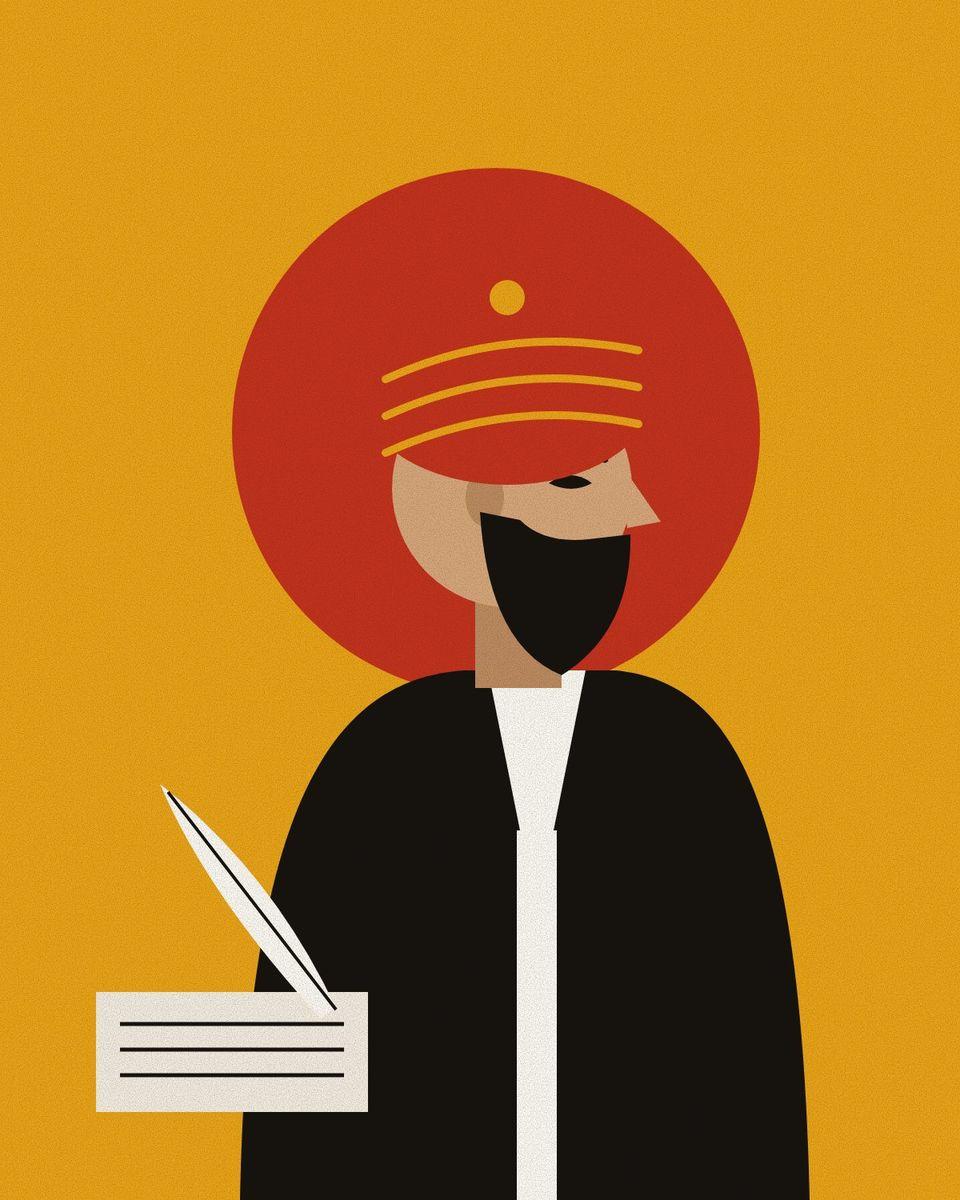
Obeyd Zakani
عبید زاکانیThe best-known satirist of classical Persian, who mocked the hypocrisy of the powerful in prose and verse.
Peoples, languages and faithsمردم، زبان و دین
Stories from hereداستانها
The Safavids
The Safavids made Twelver Shia Islam Iran's state religion and rebuilt Isfahan as one of the most admired cities in the world.