Persians
فارسهاPersian speakers of Iran call themselves *Fars* or simply *Irani*. They are one people among many in Iran, and their language became a shared tongue for far more than themselves.
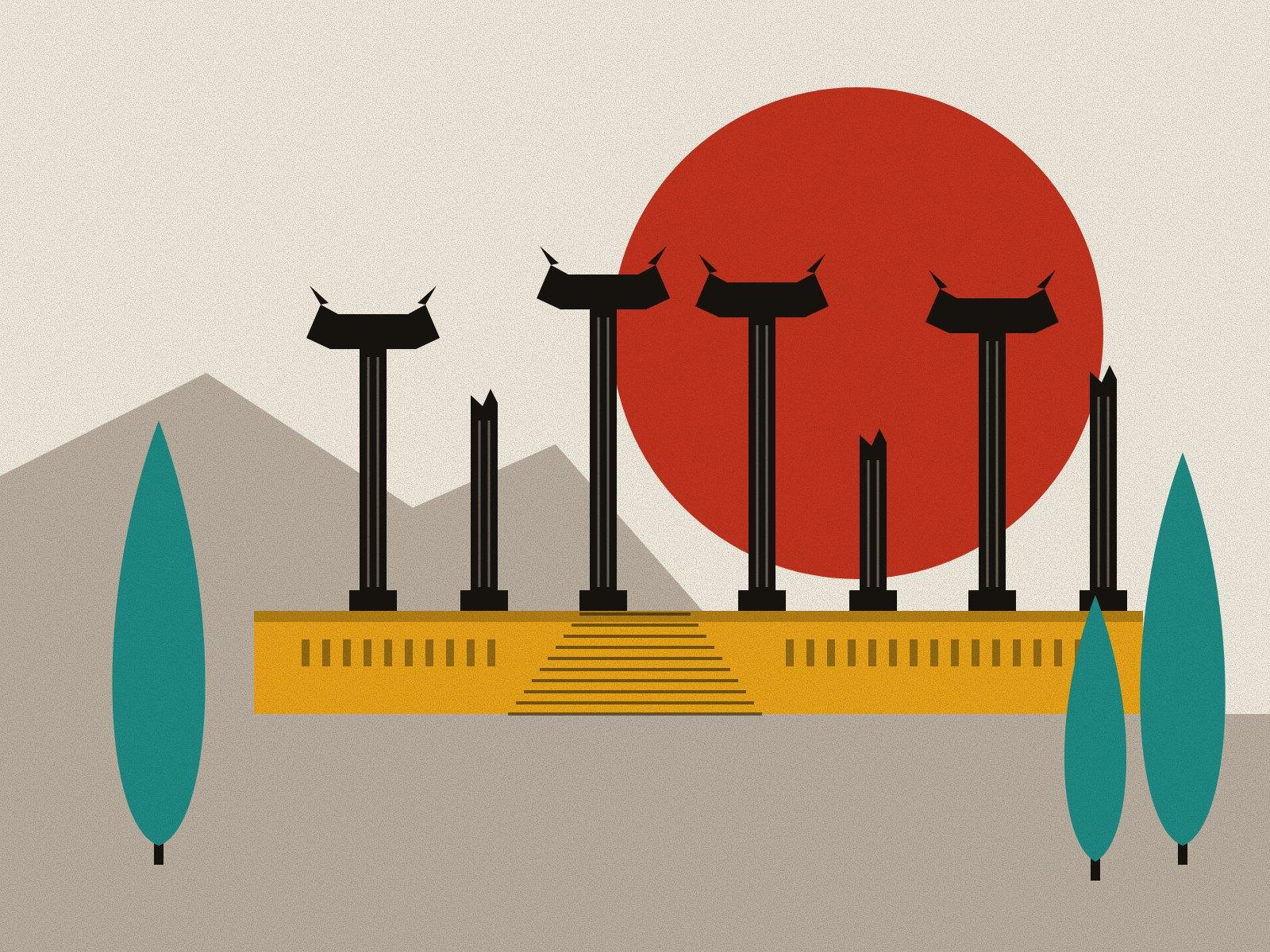
The word comes from a place. Pārsa was the homeland of the Achaemenid kings in the south-west of the plateau, the province the Greeks called Persis and Iranians still call Fars. Its people gave their name to a language, and the language gave its name, in the outside world, to the whole country. Inside Iran the distinction has always been clearer. Iran is the land and the shared identity; Fars (in older and poetic usage Pārsi) are the people whose mother tongue is Persian. Many simply say they are Iranian, and leave it there.
That is worth stating plainly, because the English habit of saying ‘Persian’ for everything Iranian folds many peoples into one. Persians are the largest community in Iran, but they share the country with Azerbaijanis, Kurds, Lurs, Baluch, Arabs, Turkmen, Gilaks and others, each with its own history. Persians are not ‘the’ Iranians; they are one of the peoples who make up the Iranian world. Persian identity, too, has usually been a matter of language and culture more than descent: families move, marry and switch tongues, and millions of Iranians grow up with Persian alongside another mother tongue.
Persians are not ‘the’ Iranians; they are one of the peoples who make up the Iranian world.
The language
Persian, Fārsi, is a south-western Iranian language with three recorded stages: Old Persian in the cuneiform inscriptions of Darius and his successors, Middle Persian (Pahlavi) under the Sasanians, and New Persian, which emerged in the ninth and tenth centuries in Arabic script. The name Fārsi is simply Pārsi in Arabic mouths, since Arabic has no p. New Persian grew up as a literary language in the east, at the Samanid court in Bukhara, with Rudaki, and found its epic in Ferdowsi’s Shahnameh. In Afghanistan the same language is officially called Dari, in Tajikistan Tajik; speakers in all three countries can read Hafez without a dictionary.
For centuries it was the language of poetry, administration and polite letters from Anatolia to Bengal. The Mughal court ran on Persian, and in British India it remained the language of the courts until 1837. Saadi’s Gulistan was a schoolbook in Delhi and Istanbul as well as Shiraz. Much of that literature was written by people who were not Persians at all, and that, too, is part of the story.
What is kept
Persian-speaking Iran is not one culture but many regional ones: the gardens and poets’ tombs of Shiraz, the domes and bazaars of Isfahan, the desert towns of Yazd and Kerman with their windcatchers and qanats, the shrine city of Mashhad and the sprawl of Tehran. Each has its own accent, its own sweets, its own jokes about the others. What binds them is a calendar and a canon. Nowruz at the spring equinox, the bonfires of Chaharshanbe Suri, the picnic of Sizdah Bedar and the long night of Yalda are kept across faiths and classes, and are shared with many of Iran’s other peoples. So is the habit of opening a divan of Hafez to ask it a question.
Most Persians are Shia Muslims, and the mourning of Muharram is as much a part of the year as Nowruz. There are also Persian-speaking Zoroastrians, Jews, Bahá’ís, Christians and many who keep no faith, described in the Faiths section. The diaspora, from Los Angeles to London and Sydney, has taken the calendar with it: a haft-sin table in a flat in Melbourne is laid exactly as it is in Shiraz.
Poetsشاعران
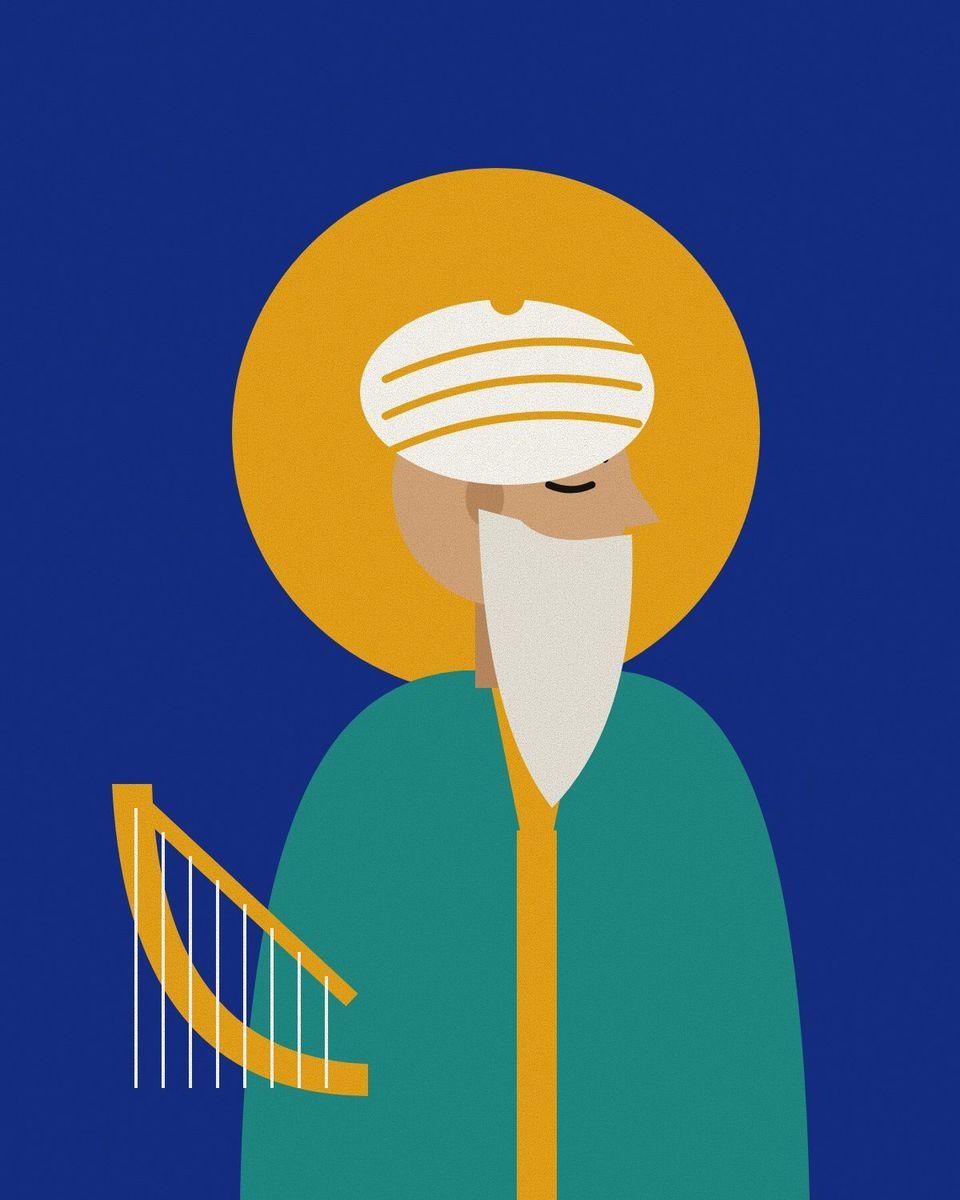
Rudaki
رودکیPoet of the Samanid court at Bukhara, honoured in Persian tradition as the father of Persian poetry.

Ferdowsi
فردوسیThe poet of the Shahnameh, the national epic of Iran, credited with keeping the Persian language and its old stories alive.

Saadi
سعدیThe moralist of Shiraz, whose Golestan has taught Persian prose to every generation since.

Hafez
حافظThe supreme master of the ghazal, whose Divan is found in nearly every Iranian home.
Across Cultureپیوندها

Languages
Persian
Spoken in Tehran, Kabul and Dushanbe under three names and written in two alphabets, Persian is one language with three national standards and a thousand years of shared poetry.
More from Peoplesمردمان
Azerbaijanis
Iran’s Azerbaijanis, who often call themselves *Türk*, speak a Turkic language in a land named after an Iranian satrap. North of the Aras, the Republic of Azerbaijan is a separate nation that defines itself.

Kurds
Kurds live across the Zagros and Taurus in Iran, Iraq, Turkey and Syria. In Iran they speak several Kurdish languages, keep several faiths, and light Newroz fires that every Iranian knows.
Lurs
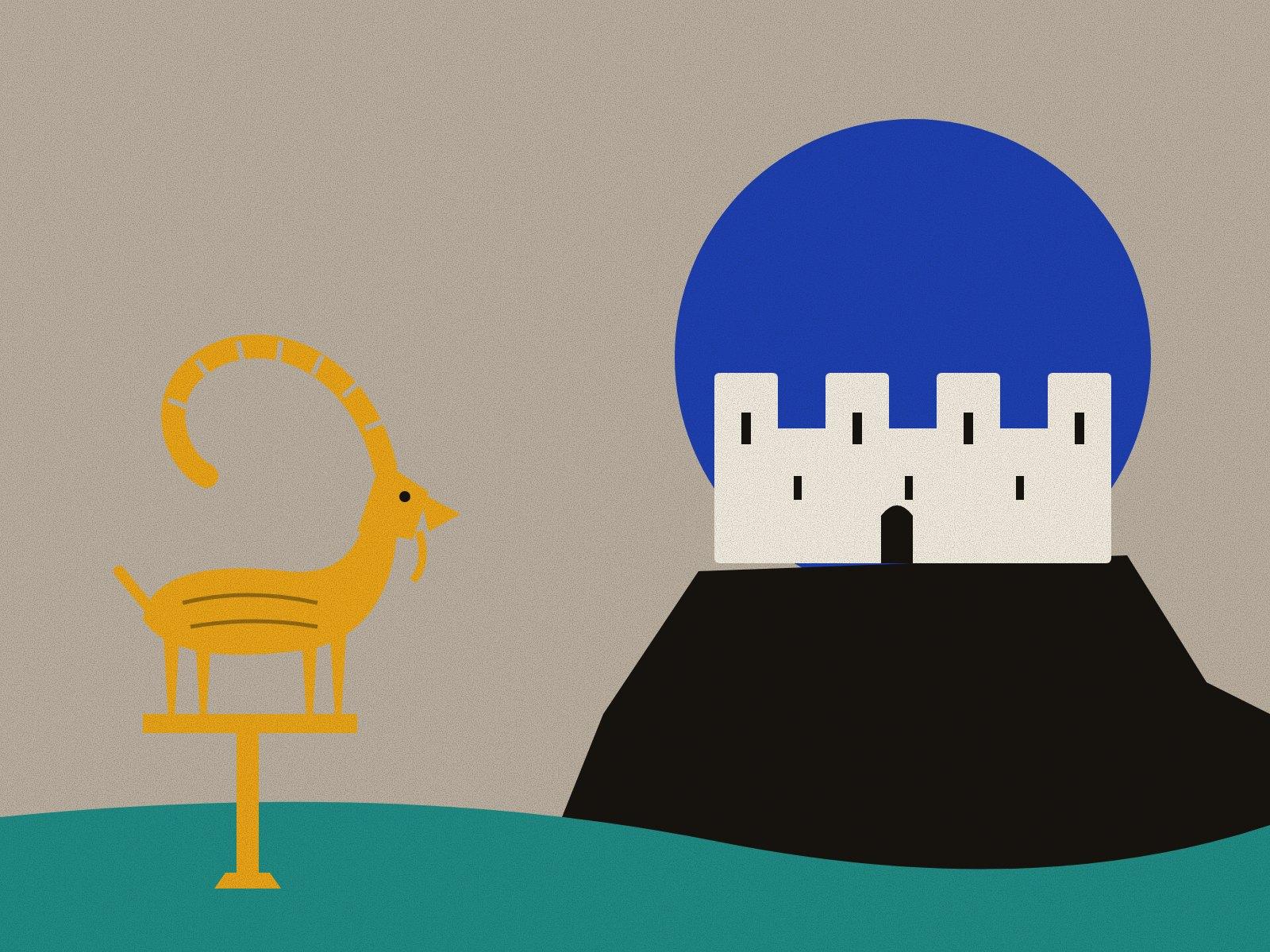
Lurs speak Luri, a close cousin of Persian, in the valleys of Lorestan, Kohgiluyeh and the southern Zagros. Their country holds the Luristan bronzes, black tents and the old seasonal migration.