Saeb Tabrizi
صائب تبریزی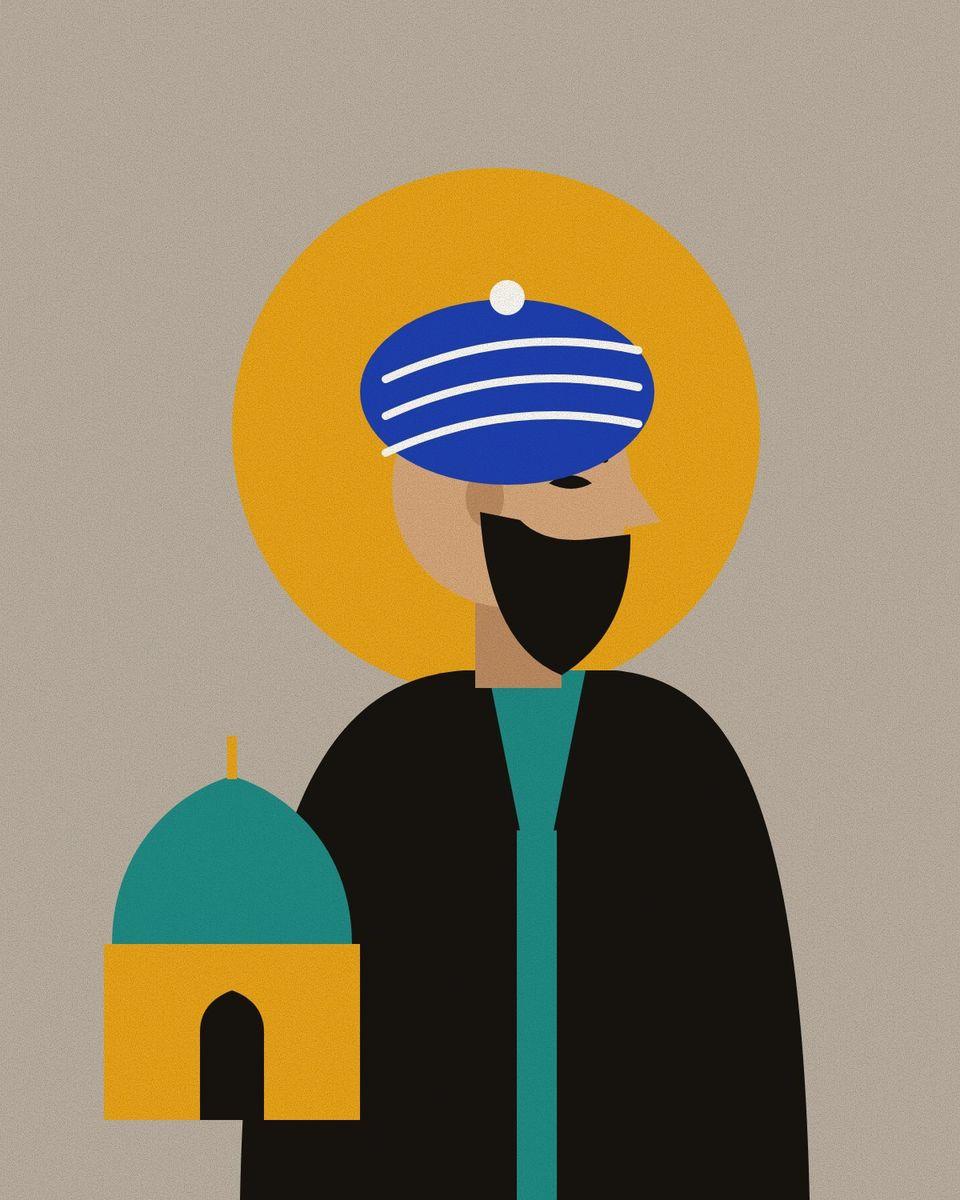
Poet laureate of Safavid Isfahan and the leading Iranian master of the Indian style.
- Known for
- Ghazals in the Indian style
- Forms
- Ghazal
- Places
- Isfahanاصفهان
- East Azerbaijanآذربایجان شرقی
- Kabulکابل
- Collection
- The Greats
Mirza Mohammad Ali Saeb came from a merchant family of Tabriz that moved to Isfahan in the time of Shah Abbas I, and he grew up in the new capital. As a young man he travelled to Kabul and India, where he spent several years in the circle of the Mughal governor Zafar Khan and visited the court of Shah Jahan.
After returning to Isfahan he was named poet laureate by Shah Abbas II. His enormous Divan, mostly ghazals, made him the leading Iranian master of the so-called Indian style, prized for single couplets that pack a fresh image or idea into two lines, many of which became proverbs. He died in Isfahan in 1676 and is buried there.
Booksکتابها
The principal works of Saeb Tabrizi.
The Divan of Saeb
دیوان صائب تبریزیA very large Divan, made up mostly of ghazals. Saeb's art lies in the single couplet that sets an abstract idea beside a concrete image, and many of his lines became proverbs. It also includes poems on Kabul and Kashmir and on the court of Isfahan.
Read 10 poems
Poems by Saeb Tabriziشعرها
In the original Persian, beside an English translation.
یک عمر میتوان سخن از زلف یار گفت
در بند آن مباش که مضمون نمانده است
One could speak for a lifetime of the beloved’s tresses;
do not fret that there are no themes left.
A Lifetime on the Beloved’s Tresses
خوش آن گروه که مست بیان یکدیگرند
ز جوش فکر می ارغوان یکدگرند
Happy the company who are drunk on each other’s words,
who, in the ferment of their thought, are red wine to each other.
Drunk on Each Other’s Words
خوشا عشرت سرای کابل و دامان کهسارش
که ناخن بر دل گل می زند مژگان هر خارش
Happy the pleasure-house of Kabul and the skirts of its mountains,
where the lashes of every thorn scratch at the rose’s heart.
In Praise of Kabul
پند ناصح به جنون من افگار افزود
شربت تلخ به بدخویی بیمار افزود
The adviser’s counsel only added to the madness of my wounded self;
bitter medicine only added to the sick man’s ill temper.
No One Untied a Knot
گفتگوی کفر و دین آخر به یک جا می کشد
خواب یک خواب است و باشد مختلف تعبیرها
The talk of unbelief and faith comes in the end to one place:
the dream is one dream, though its interpretations differ.
The Talk of Unbelief and Faith
با کمال احتیاج، از خلق استغنا خوش است
با دهان خشک مردن، بر لب دریا خوش است
In the depth of need, it is good to need nothing from people;
it is good to die with a dry mouth on the shore of the sea.
The Thought of Saturday
دلکوب نیست حادثه دنیاپرست را
ماهی ز حرص طعمه فرو خورد شست را
Misfortune does not break the heart of one who worships the world:
in its greed for the bait, the fish swallows the hook.
The World Shows No Mercy to Its Own
ای دل از پست و بلند روزگار اندیشه کن
در برومندی ز قحط برگ و بار اندیشه کن
O heart, think on the ups and downs of time;
in your season of fruit, think on the dearth of leaf and fruit.
Think on the Ups and Downs of Time
تا آدمی خمش نشود برگزیده نیست
صهبا ز جوش تا ننشیند رسیده نیست
Until a man falls silent he is not among the chosen;
wine is not ripe until it settles from its ferment.
Until a Man Falls Silent
آدمی پیر چو شد، حرص جوان میگردد
خواب در وقت سحرگاه گران میگردد
When a man grows old, his greed grows young,
as sleep grows heavy in the hour before dawn.
When a Man Grows Old
Saeb Tabrizi in Iranian history
Iranian historyThe Safavidsصفویان
The Safavids made Twelver Shia Islam Iran's state religion and rebuilt Isfahan as one of the most admired cities in the world.