Obeyd Zakani
عبید زاکانی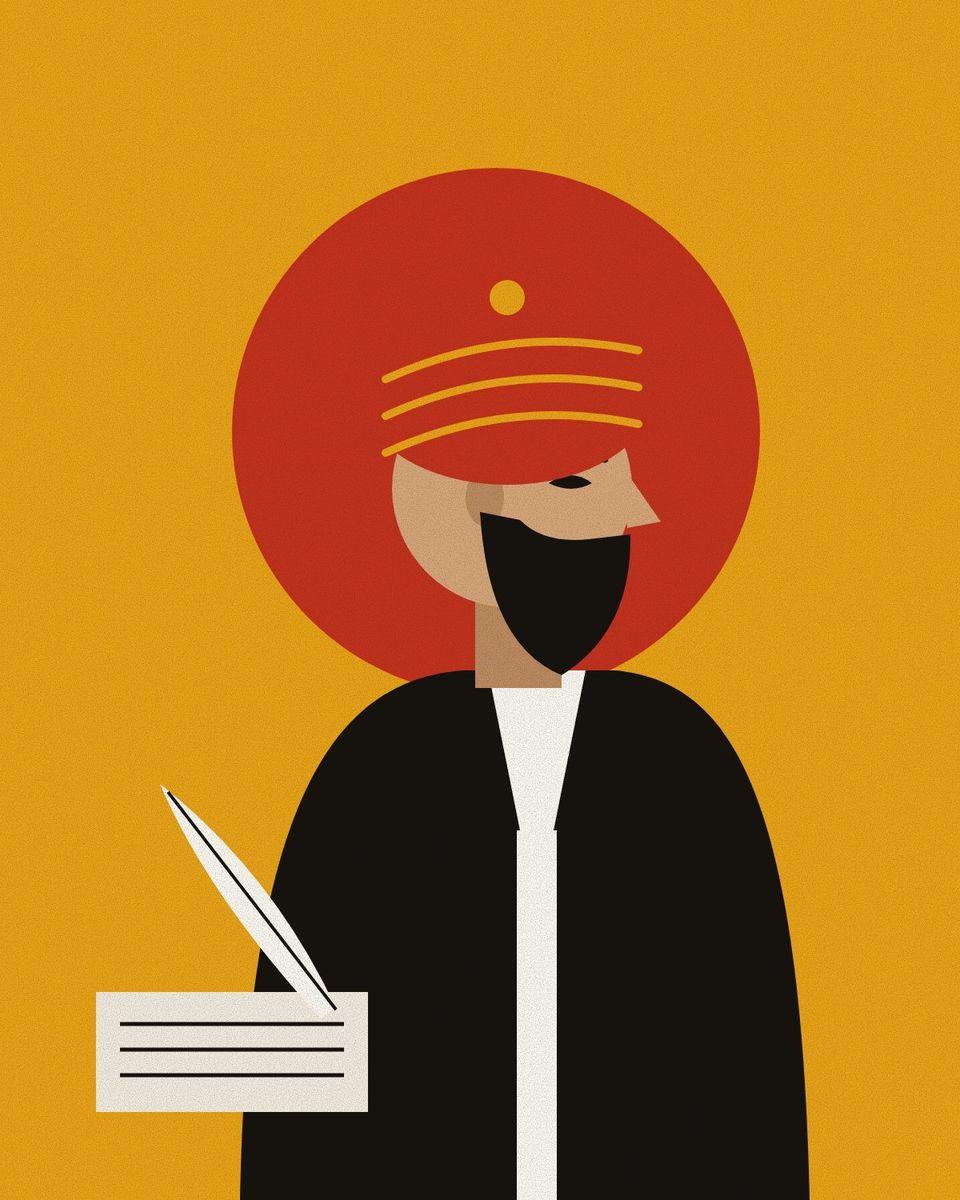
The best-known satirist of classical Persian, who mocked the hypocrisy of the powerful in prose and verse.
- Known for
- Satire: the Ethics of the Aristocrats
- Forms
- Satire, Ghazal, Qit'a
- Collection
- The Greats
Nezam al-Din Obeydollah Zakani came from a family of Zakan, near Qazvin, and was well educated in the learning of his day. He spent much of his career in Shiraz at the court of the Injuid ruler Abu Eshaq, where the young Hafez also found patronage.
Obeyd is remembered above all as a satirist. His Akhlaq al-Ashraf (Ethics of the Aristocrats) mocks the moral pretensions of the powerful, and his Resaleh-ye Delgosha (Joyful Treatise) is a collection of jokes and anecdotes, many of them bawdy. The comic poem Mush o Gorbeh (Mouse and Cat) is traditionally attributed to him, though some scholars doubt it. His Divan also contains serious ghazals and qasidas.
Booksکتابها
The principal works of Obeyd Zakani.
The Divan of Obeyd Zakani
دیوان عبید زاکانیObeyd's serious and comic verse: ghazals in the manner of his Shiraz contemporaries, qasidas for his patrons, and short pieces, many of them satirical, on poverty, debt and the hypocrisy of the powerful.
Read 3 poemsThe Ethics of the Aristocrats (Akhlaq al-Ashraf)
اخلاقالاشرافA mock treatise on ethics. For each virtue in turn, Obeyd sets out the 'outdated' teaching of the ancients and then the 'chosen' practice of the great men of his own day, which turns out to be its opposite.
The Joyful Treatise (Resaleh-ye Delgosha)
رسالهٔ دلگشاA collection of short comic anecdotes, in Arabic and Persian, about rulers, judges, preachers, misers and fools. Many are bawdy, and together they give a sharp picture of the manners of the age.
Poems by Obeyd Zakaniشعرها
In the original Persian, beside an English translation.
خوشا کسیکه ز عشقش دمی رهائی نیست
غمش ز رندی و میلش به پارسائی نیست
Happy the one who never has a moment’s release from love,
whose care is not for revelry, nor his leaning towards piety.
Happy the One Whom Love Never Releases
عبید این حرص مال و جاه تاکی
جهان فانیست رو ترک جهان گیر
Obeyd, how long this greed for wealth and rank?
The world is passing: go, take leave of the world.
How Long This Greed?
مردم به عیش و شادی و من در بلای قرض
هریک به کار و باری و من مبتلای قرض
People live in pleasure and joy, and I in the affliction of debt;
each has his work and business, and I am plagued by debt.
In Debt
Obeyd Zakani in Iranian history
Iranian historySeljuks, Mongols and Ilkhanidsسلجوقیان، مغولان و ایلخانان
Turkic and then Mongol conquerors took Iran in turn. The Seljuks built mosques and colleges; the Mongols brought catastrophe, then, as the Ilkhanids, became patrons of history-writing and art.