Al
آلA female being said to haunt women in the days after childbirth, feared across Iran and among its neighbours, and kept at bay with iron, onion and company.
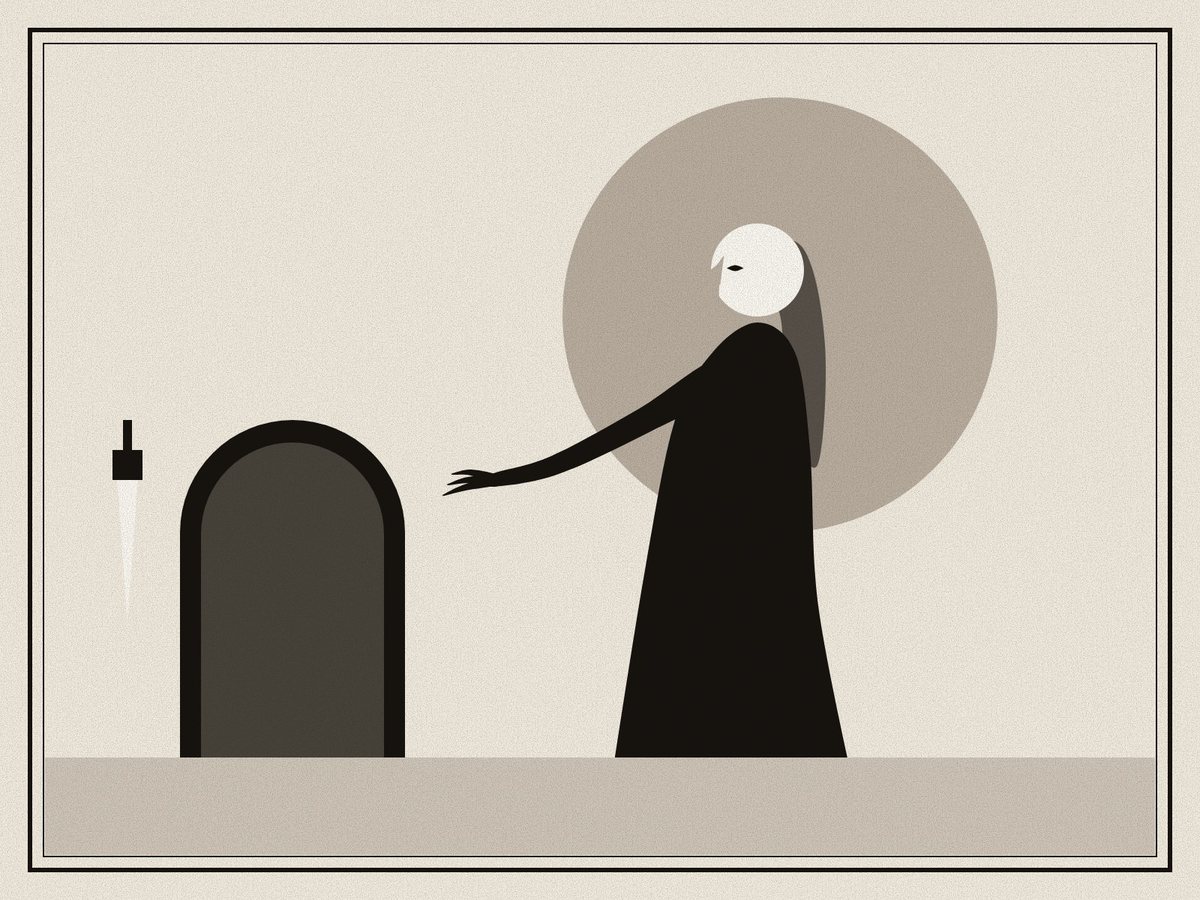
Of all the beings in Iranian folk belief, few were taken as seriously as the Āl. She was said to come for a woman in the first days after giving birth, and sometimes for the newborn too. Descriptions collected in the twentieth century vary from village to village, but they share a family likeness: a tall, thin woman, often with a face or nose of clay and long, hanging breasts that she can throw back over her shoulders. Her aim, in the most widely recorded accounts, is to take the mother's liver or lungs and carry them to water. If she reaches the water and washes them, the woman dies.
Because the danger was greatest in the days just after the birth, households organised themselves around it. The new mother was not to be left alone. Iron was placed near her: a knife, a skewer, a needle or a sword under the pillow. Onions and garlic were kept in the room, prayers and protective verses were recited, and in some places a man would sit near the door. Folklorists such as Sadegh Hedayat, in his Neyrangestan of 1933, and Henri Massé, in his survey of Persian beliefs and customs, recorded many of these precautions as they were practised in their day.
The new mother was not to be left alone.
A shared fear
The Āl is not only Persian. Armenians, Kurds and Turkic-speaking neighbours, from the Caucasus to Central Asia, have told of closely related figures, sometimes under the same name. Scholars writing in the Encyclopaedia Iranica note that the belief clusters around the most dangerous moment in many women's lives before modern medicine, and several have connected it with puerperal fever, the infection that once killed mothers in the days after delivery. That reading explains the timing of the fear, though not the vivid figure that grew around it.
Today the Āl survives mostly in memory, in the stories of grandmothers and in the habit, still common in many families, of making sure a new mother is never left on her own. Whatever one makes of the creature, that part of the custom has always been sound advice.
More from Folk creaturesموجودات افسانهای
Div
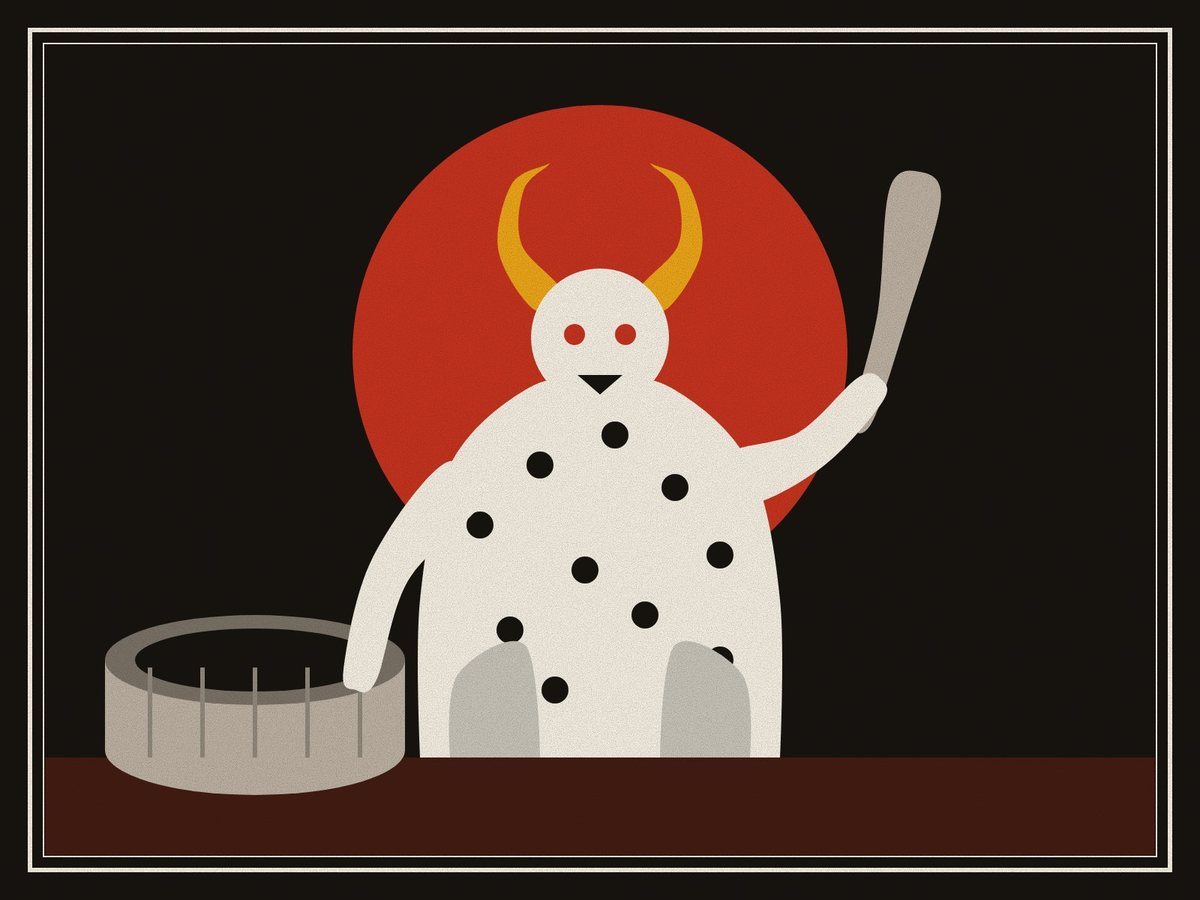
Once a word for gods, the div became the great demon of Iranian story: an enemy of order in the Avesta, a captive scribe in the Shahnameh, and a horned giant in grandmothers' tales.
The White Div
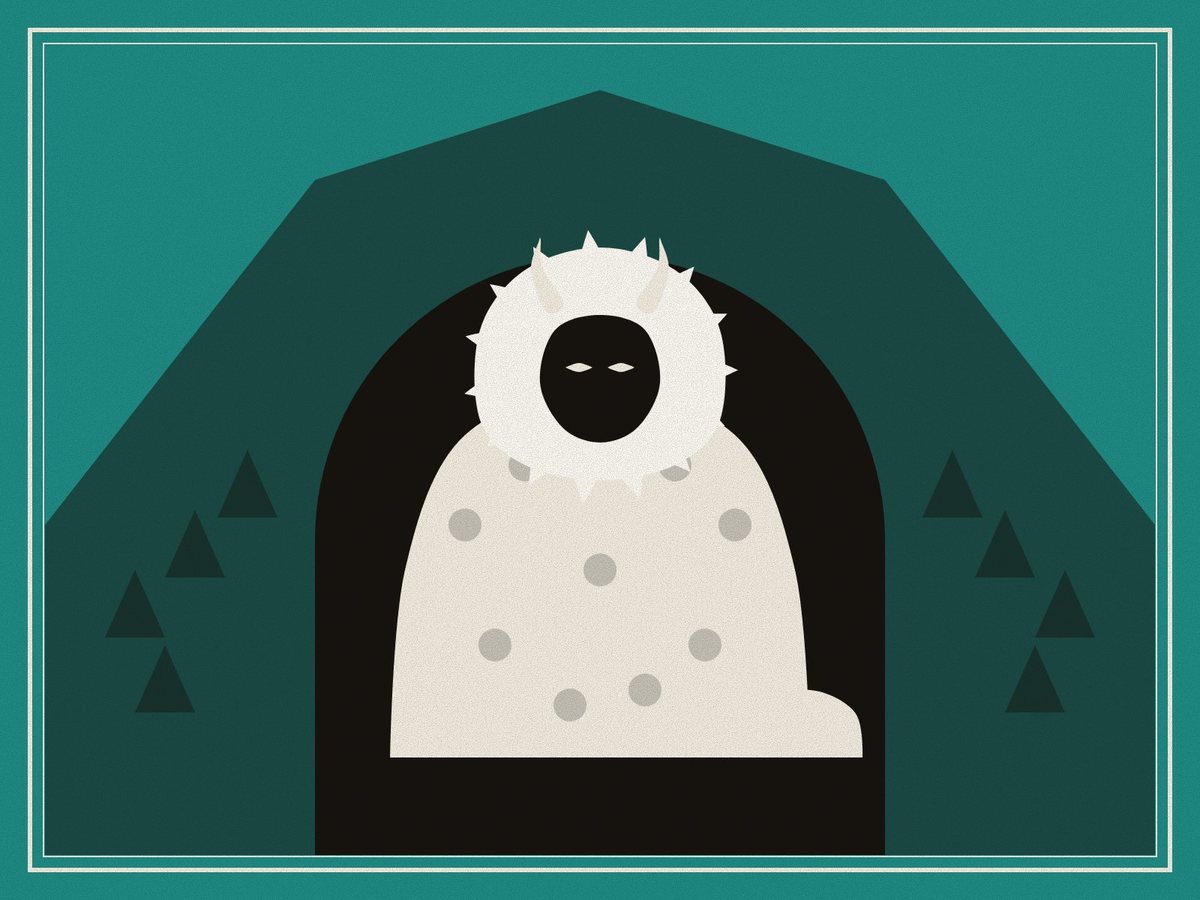
The lord of the divs of Mazandaran, who blinded a king and his army, and whose blood restored their sight after Rostam killed him in his cave.
Akvan the Div
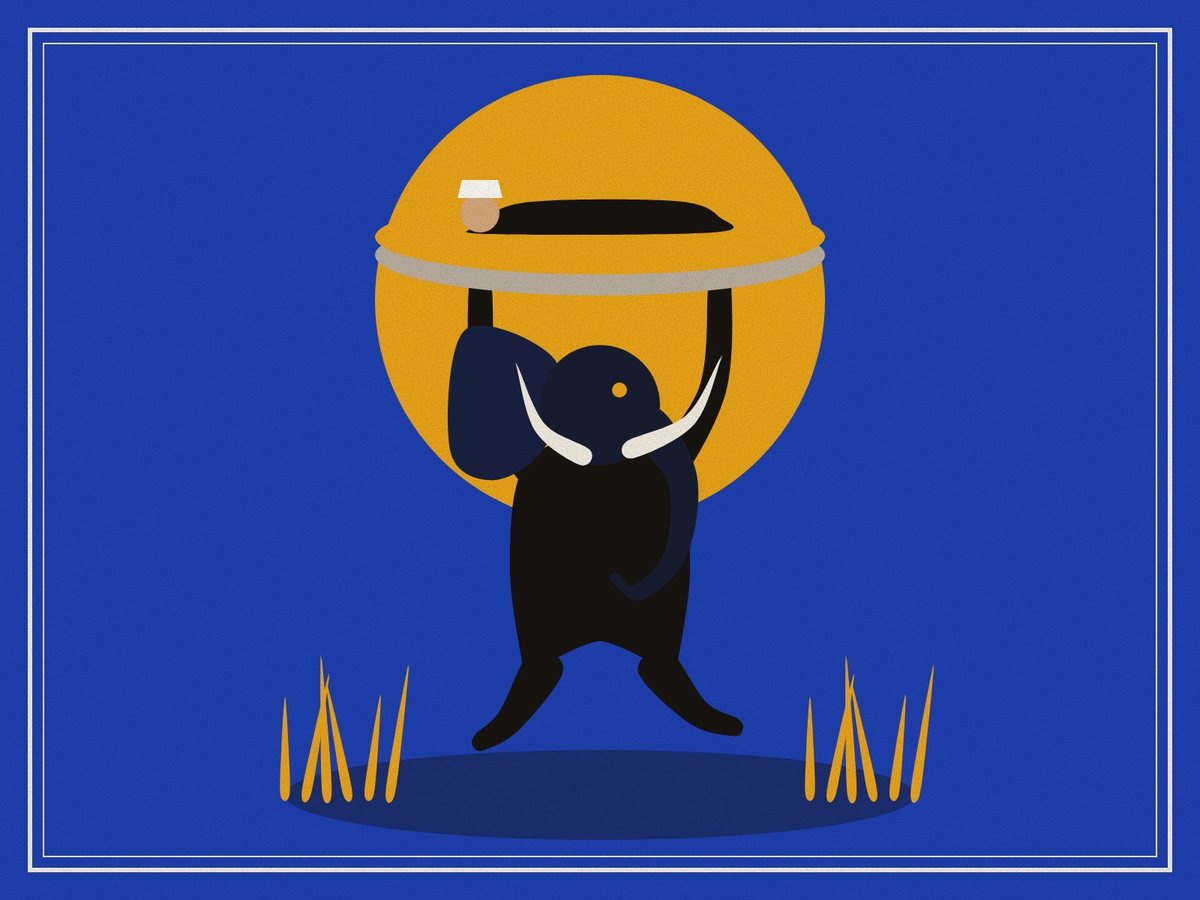
A div disguised as a golden wild ass, who lifted the sleeping Rostam into the sky and asked whether he would rather fall on a mountain or into the sea.