Mount Sabalan
سبلانAn extinct volcano with a crater lake at its summit
Sabalan is a great volcanic massif rising from the plateau of Ardabil in north-west Iran, its highest summit reaching about 4,800 metres, one of the three highest peaks in the country. The volcano is regarded as extinct, and at the very top, in the old crater, lies a small lake that remains frozen for much of the year.
The mountain holds a special place for the people of Azerbaijan in Iran. It is snow-covered for most of the year, and its glaciers and meltwater feed rivers and the pastures of its lower slopes, which have long been the summer grazing grounds of the Shahsavan nomads, who bring their flocks and their round felt tents up from the plains each year.
Climbers usually approach from the north-east or the south, staying at mountain huts before the summit day. The ascent is long but not technical in summer. Sabalan's other gift is heat: the area around Sarein, on its western flank, is full of hot springs, and the town has grown into a spa resort where visitors soak in mineral pools with the snowy massif in view. Local tradition attaches much lore to the mountain, and some accounts link it with Zarathustra, though this is legend rather than history.
More in Ardabilاردبیل
Sheikh Safi al-Din Shrine
The shrine of the Safavids' ancestor
Lake Neor
A high mountain lake among the summer pastures of Ardabil
Ardabil Bazaar
The vaulted brick market of the Safavid homeland
Stories from the regionداستانها

Sizdah Bedar
On the thirteenth day of the new year, families leave their homes for parks, rivers and hillsides, throw the sabzeh from the haft-sin into running water and knot blades of grass for a wish. In Iran it is officially Nature Day.
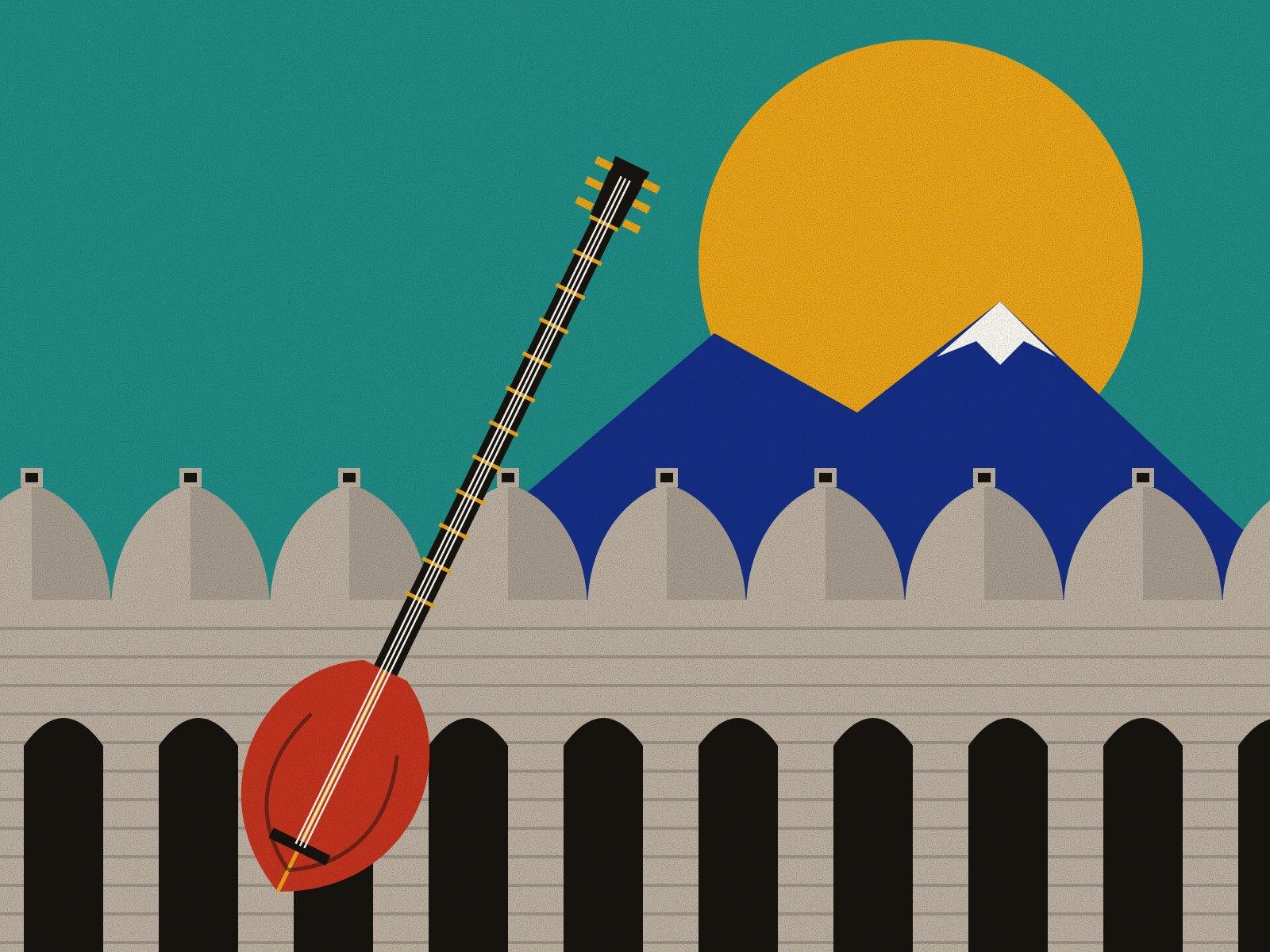
Azerbaijanis
Iran’s Azerbaijanis, who often call themselves *Türk*, speak a Turkic language in a land named after an Iranian satrap. North of the Aras, the Republic of Azerbaijan is a separate nation that defines itself.
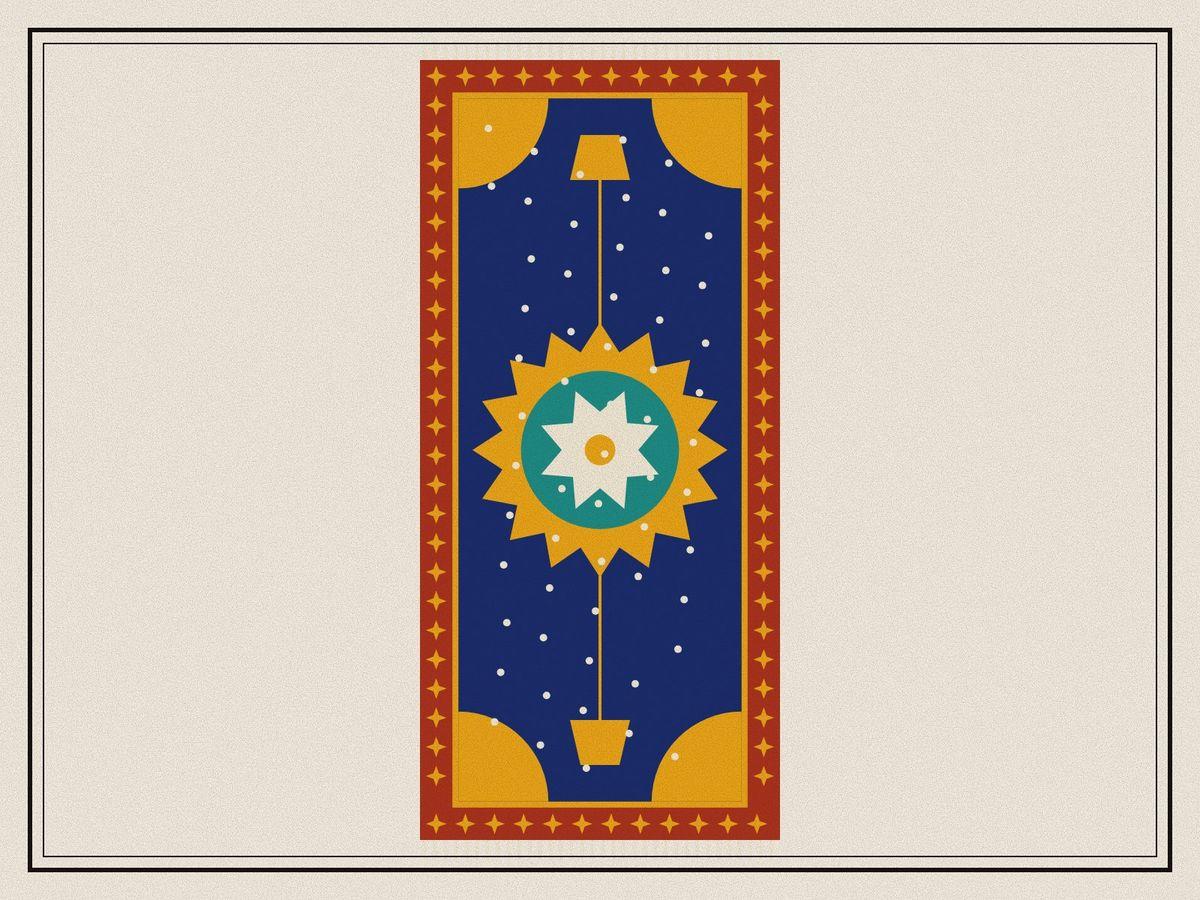
The Ardabil Carpet
A dated, inscribed Safavid carpet more than ten metres long, signed with a line of Hafez and the name of Maqsud of Kashan.