Lurs
لرهاLurs speak Luri, a close cousin of Persian, in the valleys of Lorestan, Kohgiluyeh and the southern Zagros. Their country holds the Luristan bronzes, black tents and the old seasonal migration.
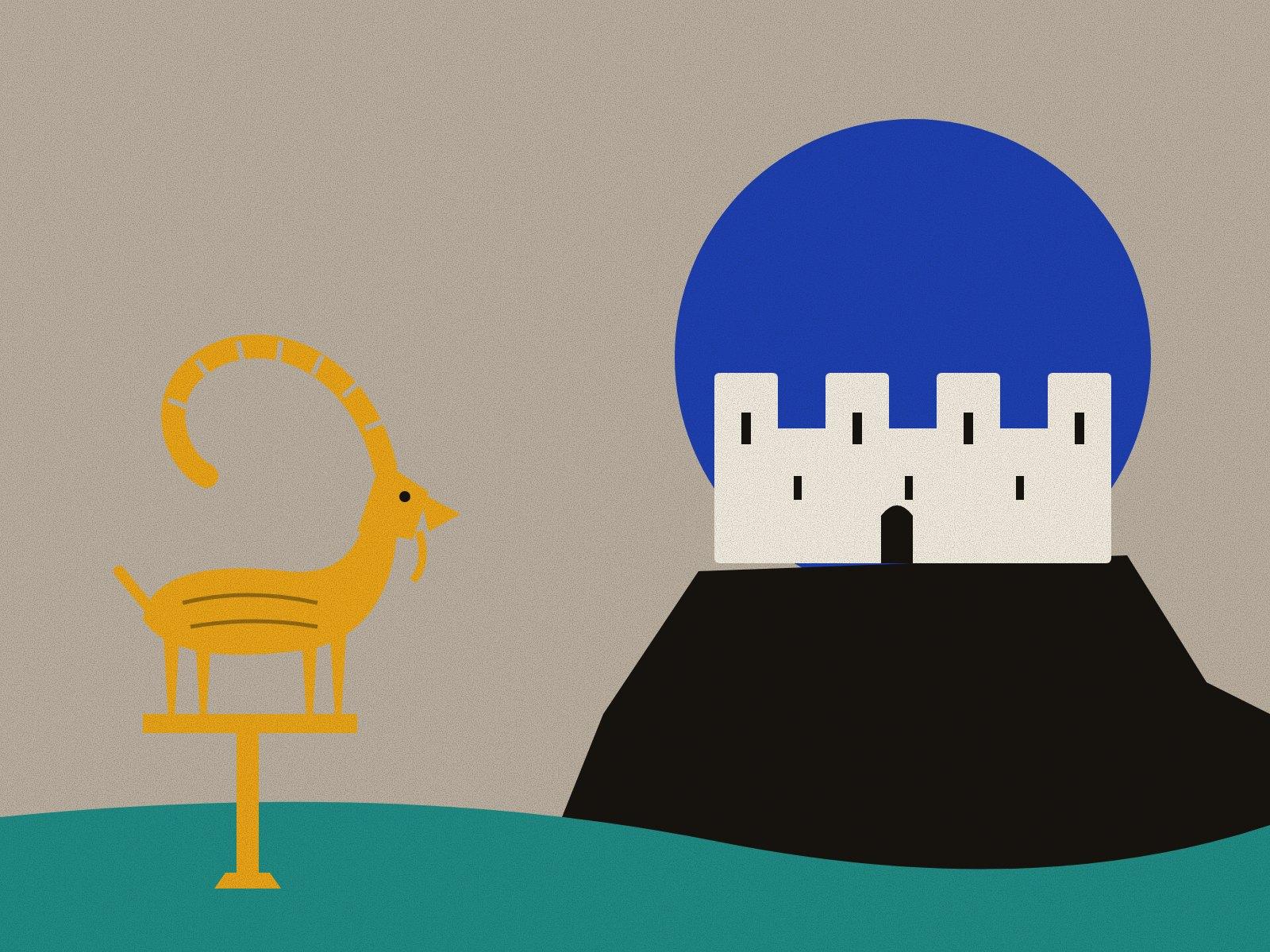
The Lurs, Lor in their own speech, live in the folded ranges of the central and southern Zagros: Lorestan around Khorramabad and Borujerd, Kohgiluyeh and Boyer-Ahmad, the Mamasani district of Fars, and parts of Ilam, Khuzestan and Hamadan. The Bakhtiari, whose story has its own entry, are often counted among them, and many Bakhtiari and Lurs see each other as close kin while keeping separate names.
Language
Luri is a south-western Iranian language, which makes it a near relation of Persian rather than of Kurdish, although Lurs and southern Kurds have lived side by side for centuries. Linguists usually divide it into Northern Luri, spoken in Lorestan; Bakhtiari; and Southern Luri, spoken in Kohgiluyeh, Boyer-Ahmad and Mamasani. Whether Laki, spoken around Kuhdasht and Nurabad, belongs with Luri or with Kurdish is a debate its own speakers do not all settle the same way.
Bronze and stone
Lorestan has given its name to one of the most recognisable bodies of ancient art in Iran: the Luristan bronzes, cast horse bits, finials and weapons of the early first millennium BCE, with goats, lions and twisted heroic figures. Above Khorramabad stands Falak-ol-Aflak, a fortress with Sasanian origins rebuilt over the centuries. In the Middle Ages local dynasties ruled the two Lurs: the Hazaraspid atabegs of Greater Lur, from the twelfth to the fifteenth century, and the atabegs of Lesser Lur, who held on until the end of the sixteenth.
What is kept
For much of their history many Lurs lived by kuch, the seasonal migration between winter pastures in the low, warm country (garmsir) and summer pastures high in the mountains (sardsir), carrying black tents woven from goat hair. Reza Shah’s forced settlement of the tribes in the 1930s, known as takhte-qapu, broke much of that life by force, and today most Lurs live in villages and towns. The migration survives in some families, and in the memory of all.
Lur music is one of the glories of the Zagros: the sorna and dohol at weddings, the kamancheh in quieter hours, and laments for the dead sung by women. The handkerchief dance, dastmal-bazi, sweeps whole villages into a line. Lur hospitality is proverbial in Iran, and so is a certain directness of speech. Many Lurs hear their own speech in the quatrains of Baba Taher of Hamadan, though Kurds and others claim him too, and the claim of each is part of his charm. Most Lurs are Shia Muslims, and Muharram is marked with mud-smeared mourning (gel-mali) in Khorramabad, a rite that draws visitors from across Iran. Lur dress, the men’s felt hats and the women’s long colourful dresses and scarves, still appears at weddings and Nowruz, when families from Tehran return to the mountains.
The migration survives in some families, and in the memory of all.
Across Cultureپیوندها
Languages
Luri and Bakhtiari
Close cousins of Persian, the Luri varieties of the central Zagros, Bakhtiari among them, carry the songs, laments and migration routes of the Lur and Bakhtiari peoples.
Music
Sorna and dohol
A piercing shawm and a great double-headed drum lead the weddings, festivals and mourning of the Lurs, the Bakhtiari and the Kurds, and draw everyone into the line of the dance.
More from Peoplesمردمان
Persians
Persian speakers of Iran call themselves *Fars* or simply *Irani*. They are one people among many in Iran, and their language became a shared tongue for far more than themselves.
Azerbaijanis
Iran’s Azerbaijanis, who often call themselves *Türk*, speak a Turkic language in a land named after an Iranian satrap. North of the Aras, the Republic of Azerbaijan is a separate nation that defines itself.

Kurds
Kurds live across the Zagros and Taurus in Iran, Iraq, Turkey and Syria. In Iran they speak several Kurdish languages, keep several faiths, and light Newroz fires that every Iranian knows.